

By Mason Martinez
What’s Changing with the Seasons
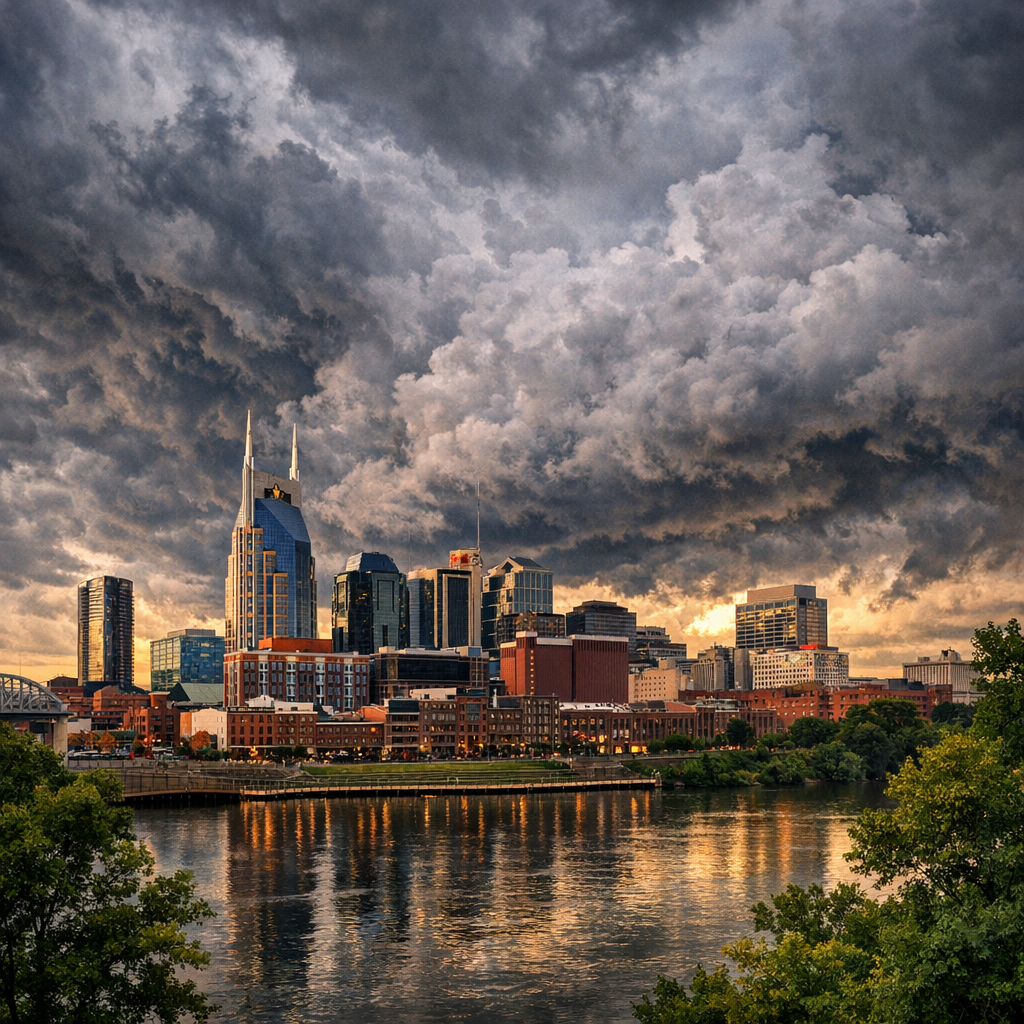
Nashville experiences a humid subtropical climate: hot, humid summers and generally cool winters, with occasional snow. Average snowfall here is under five inches, mostly falling in January and February. The coldest nights are becoming rare—days when temperatures stay below freezing are far fewer than decades past. Spring and fall bring a mix of pleasant weather and unpredictability as fronts clash and storms roll through. Meanwhile, summer humidity and heat often linger well into autumn.‹– This pattern reflects shifting conditions that many here are already feeling.
Heat, Rain, and the Growing Impacts
Heat waves have become more frequent and lasting. Nighttime low temperatures, especially in the city core, often remain elevated, with urban heat islands trapping heat after sunset. Rainfall, especially heavy downpours, is increasing—when it comes, it’s often intense, testing drainage systems and stressing infrastructure. Nashville and Middle Tennessee have seen wetter winters and springs, with longer dry spells emerging across summer and early fall. These swings between deluge and drought are becoming the new normal.
What’s at Stake: Nature, People, and Infrastructure
These shifting weather patterns ripple through our natural systems. Fewer freezing nights change how trees develop foliage, bloom, and drop leaves—impacting landscape and gardens. Wet springs and early summers promote mold, invasive species, and pollen; dry late summers can stress native plants and extinguish moisture in soil.
For people, hotter summers mean elevated risk of heat-related illness, especially among seniors and those without reliable cooling. Storms and flash floods damage homes and infrastructure. In the long run, changing precipitation and temperature patterns affect food grown locally and increase uncertainty for gardeners, farmers, and landscapers.
Civic Responses: Building Resilience
To meet these challenges, Nashville is planning ahead. The city’s Climate Adaptation and Resilience Plan lays out strategies to better protect built environments, natural ecosystems, and vulnerable populations. From improving stormwater infrastructure to preserving green spaces, the plan aims to make Nashville more resilient to extremes of heat, rain, and storms. Another ongoing effort is the Davidson County Ecological Conservation Strategy, which seeks to safeguard forests, waterways, and hillsides even as urban growth continues.
What You Can Do at Home or in Your Community
- Plant native trees and shrubs, especially those drought- and heat-tolerant, to help shade your home and absorb stormwater.
- Use rain barrels or direct runoff toward gardens to ease pressure on storm drains during heavy rainfall.
- Time planting seasons wisely: gardeners may need to adjust traditional timings as springs arrive earlier and autumns extend.
- Alleviate heat at home—shade windows, seal drafts, use light-colored materials outdoors to reduce reflected heat.
- Join local conservation groups or volunteer to help protect and restore waterways, forests, and green corridors.
Looking Ahead
For Nashville, the seasons are still very much alive, but their rhythms are shifting. If you pay attention—wake up on a cool spring dawn, watch where and when leaves fall, feel the weight of humidity on hot afternoons—you’ll notice the changes. By working together, understanding what’s happening, and making intentional choices, we can adapt in ways that protect both our quality of life and the landscapes we love.