

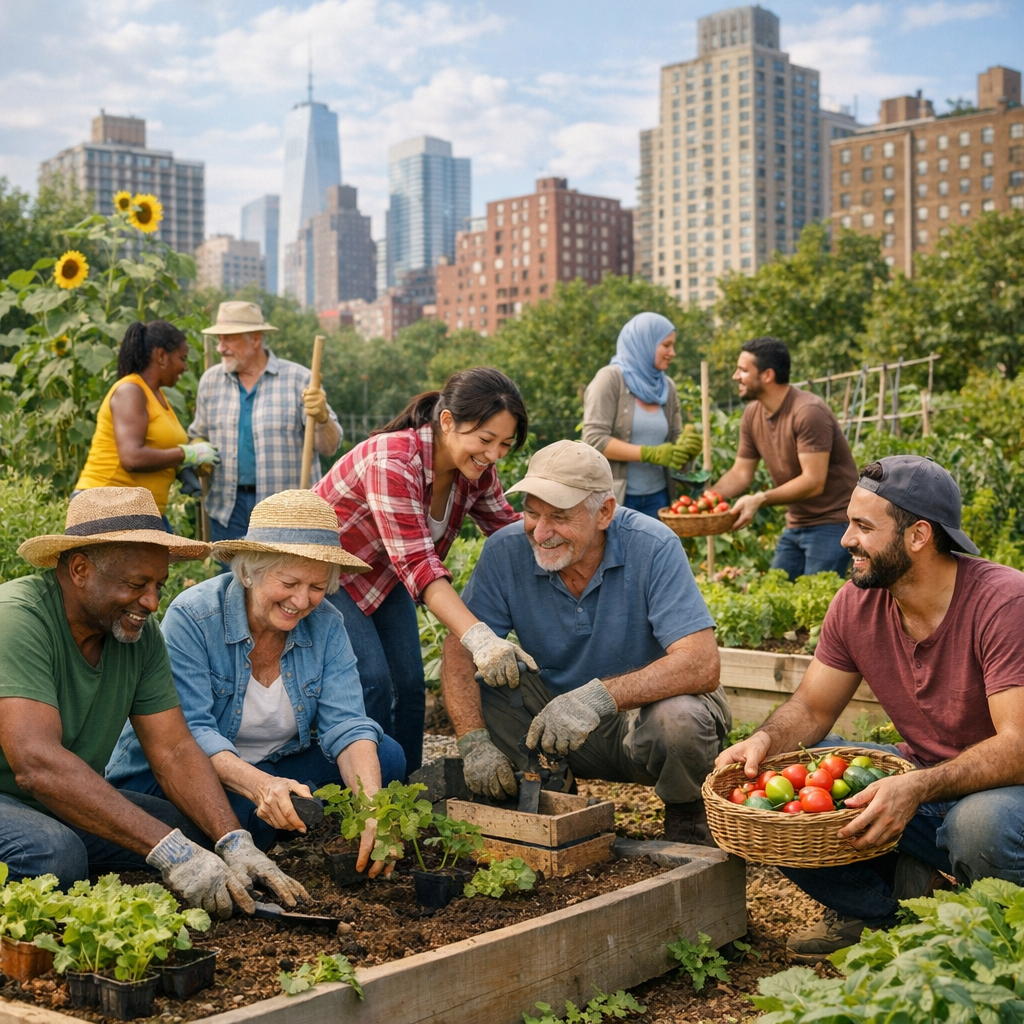
When I first stepped into the Growing Together Farm in South Nashville, I saw more than rows of corn or beans. I saw neighbors sharing stories, children squatting in dirt beside elders, and a place where people reclaim ownership over what they eat and how they belong. That farm is one plot among several in Nashville’s growing Community Agriculture Network—but its impact reaches far beyond plantings and harvests.
Gardens as Gathering Places
These gardens are living classrooms and social hubs. At McGruder Community Garden, for example, garden plots are where neighbors exchange seedlings—and recipes. Volunteers teach soil care. Kids learn that food doesn’t magically appear at the grocery. What’s more, for many residents, it’s a rare opportunity to see familiar faces outside of routine errands or weekend visits. Working together in soil, plants, sweat, and laughter builds trust that ripples outward.
Growing Resilience—One Plot at a Time
The number of growers and gardens in the Community Agriculture Network has been increasing. There are now sites like Growing Together Farm on Haywood Lane, a Community Farm at Mill Ridge Park, and community gardens in Donelson, South Nashville, and Antioch. These spaces support over a hundred growers and produce tens of thousands of pounds of fresh food each year, shared or sold affordably in neighborhoods with limited access to healthy produce. The result: better nutrition, lower grocery bills, and a safety net when food prices spike or supply chains falter.
The Invisible Benefits
It’s not just food. In these gardens, people confront isolation, grief, or stress without needing therapy intakes—just a row of radishes or a shared bench in the sun. A resident recovering from illness writes of confidence regaining strength as hands move through soil. Another, new to Nashville, finds roots through shared planting and harvest rituals. Community agriculture networks offer healing by doing—by creating purpose and connection.
Challenges, but Not Barriers
Still, this work isn’t easy. Land access is scarce, especially in urbanized areas where development pressure is intense. Water, soil quality, volunteer consistency, and tool access are constant concerns. And there’s the hard task of making sure benefits are equitably shared—making sure funding, leadership, and decision-making reflect the diversity of the people these gardens serve.
A Vision for Where This Can Grow
My hope is that Nashville continues to support garden-led solutions. Imagine local policies that offer publicly owned vacant land to garden projects, greater financing for garden infrastructure, or better partnerships with schools so every neighborhood school has edible gardens. Picture community food hubs where fresh produce, cooking classes, and cultural exchange are co-located. These aren’t infeasible; many of us are already building toward them.
Because ultimately, these aren’t just gardens. They’re seeds of agency. They’re places where we decide not just what we consume, but who we are with. They question the story that places belonging only where buildings rise, and instead, affirm: belonging grows where hands dig in.