

By Emma Johnson
In many ways, the world is in the midst of large-scale shifts that aren’t tied to any one moment—they blend geopolitics, economics, and the planet itself. Whether you’re in Nashville or Nairobi, the effects ripple outward. Let’s explore some of the biggest ongoing global storylines shaping today’s world.
1. Population on the Move: Migration Trends and Global Displacement
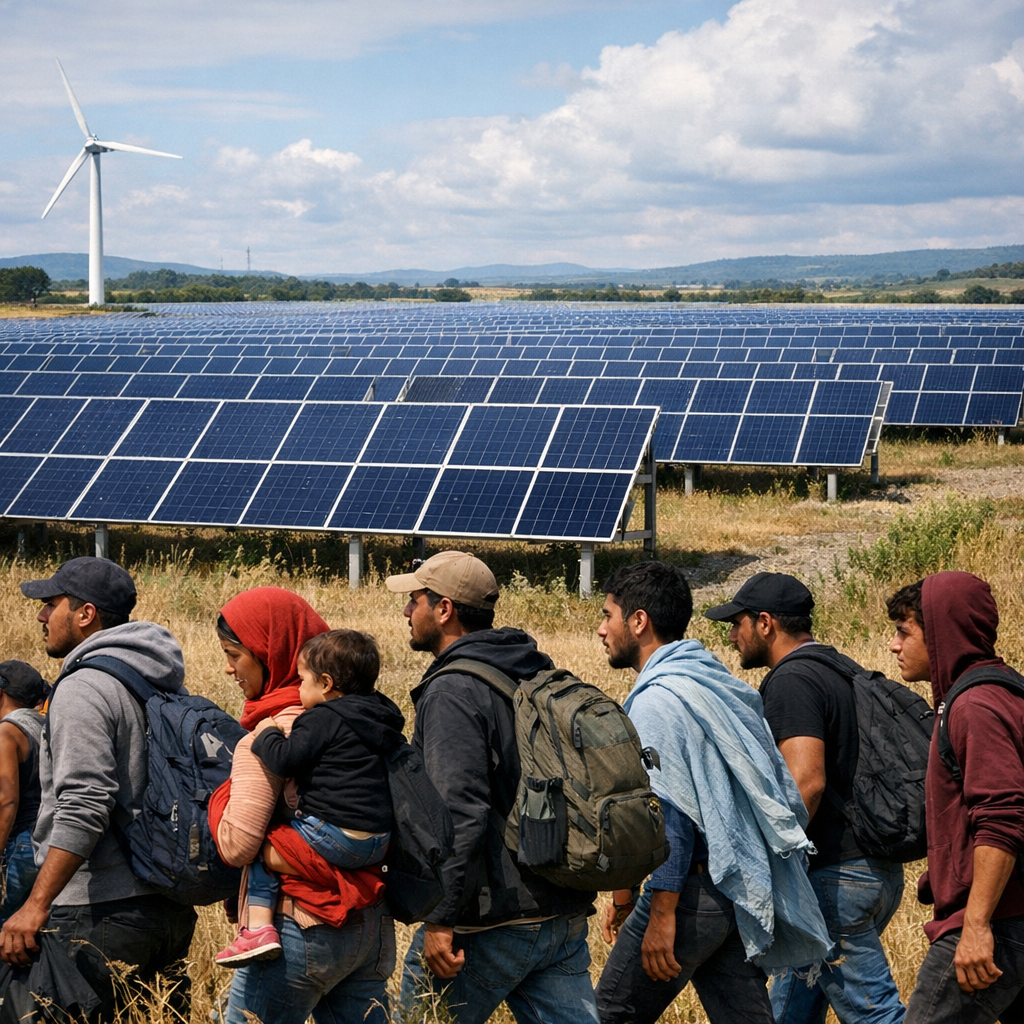
Worldwide migration flows are reaching new highs. By mid-2024, the number of international migrants had reached nearly 304 million—people choosing or forced to live outside their country of birth. Yet much larger numbers remain moving within nations, not across borders. Among those who cross borders, work remains a primary motivator. Meanwhile, forced displacement—due to conflict, disaster, or human rights violations—has pushed over 83 million people into internal displacement globally. On many fronts, governments are struggling both to keep pace with arrivals and to develop systems that uphold both safety and rights.
2. The Health and Rights of Migrants
Migrants face challenges that go beyond crossing borders. A global survey covering 93 countries in early 2025 shows many are still not fully integrating refugee and migrant health into public-health systems. Key gaps include fragmented data tracking, limited access to essential services, and underrepresentation in policy decisions. Calls for stronger leadership, better cross-sector coordination, and policy roadmaps have become central to advancing equity and resilience.
3. Energy Transition Hits New Milestones
2025 marked a turning point in how we supply power. Solar photovoltaics (PV) supplied more than one-quarter of global energy demand growth—the first time a modern renewable did that. Combined, wind and solar capacity additions hit record highs, with solar alone contributing over 600 gigawatts in new capacity. These gains helped push renewable energy up in several regions, outpacing coal in electricity generation globally. Meanwhile, nuclear saw modest gains, and natural gas grew more slowly. Overall, low-emissions sources made up nearly 60% of energy demand growth that year.
4. Tensions, Policy Shifts & a Fragmented Energy Landscape
Progress isn’t linear. Geopolitical stressors—such as supply disruptions, price volatility, or regional tensions—are slowing some energy transitions. For example, regions like the Middle East and North Africa have seen declines in policy commitment and infrastructure investment, even as others push ahead. Experts warn that investment is necessary but not sufficient: readiness—grid capacity, regulatory clarity, system flexibility—is just as critical.
What’s Next?
- Countries and organizations are increasingly urged to build resilience into energy systems—upgrading grids, improving supply chains, and planning for climate-related variability.
- Migration policy reform will likely remain under pressure: balancing border management with human rights obligations, expanding legal pathways, and increasing integration of health support.
- The overlap between energy, migration, climate, and conflict will continue to produce complex crises that demand cross-disciplinary responses.
These are not just global stories—they’re the currents that shape local lives. Understanding them helps us better prepare for what’s coming, wherever we live.