

By Sophia Anderson
Nashville’s Housing Supply: Building Up—and What Comes Next
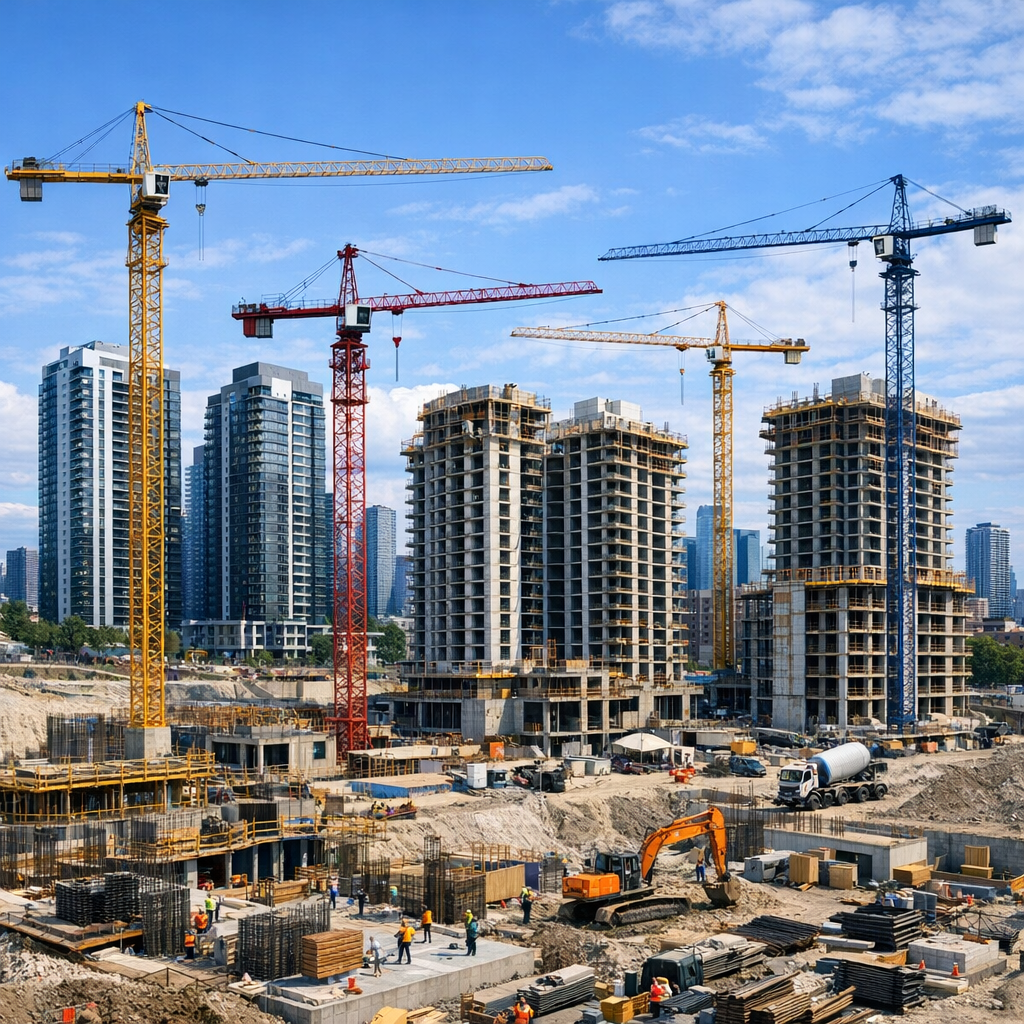
Nashville has an ambitious pipeline of residential and mixed-use developments shaping its future. Across 29 major projects in various stages, more than 12,000 units are expected to be delivered over the next few years—including in neighborhoods like East Bank, Belle Meade Village, Wedgewood-Houston, and The Gulch. These range from luxury condos and rental towers to full mixed-use districts.
Major pieces include the Eastpoint Flats project, the first 100% affordable building in the East Bank’s new Initial Development Area. It will also incorporate retail and childcare, anchored by a 99-year ground lease with Metro Nashville to preserve affordability long-term.
Affordability & Rental Pressures: Who’s Feeling the Squeeze?
Despite all the building, affordability remains a critical concern. Nearly half of renter households in Nashville are cost-burdened—meaning they spend well over 30% of income on housing—and many are severely cost burdened. Meanwhile, for extremely low-income renters, there are fewer than 50 affordable homes available for every 100 households in that income group.
The luxury segment continues to make headlines—like the 1 Iris Lane development in Belle Meade, where condos start around $2.5 million. These high-end builds highlight a widening gap between what many residents can afford and what’s being built.
Rental Market Dynamics: Rising Vacancy, Incentives & Balance Building
Renters are seeing some relief in typical tight demand. Vacancy rates are climbing—some areas report levels not seen in more than a decade—and developers are offering incentives to fill units.
These shifts point to a market moving toward greater equilibrium. Instead of a seller’s or landlord’s market, more negotiation is possible, and newly built units aren’t always filling immediately—especially in the higher-price tiers. For buyers, this may offer a window of opportunity.
Development Growth Areas: Where Neighborhood Change Is Most Visible
The East Bank redevelopment is transforming 550 acres along the Cumberland River with a mix of housing, retail, green space, and civic infrastructure. It includes the new Titans stadium (slated for completion in 2027), pedestrian connections, and affordable housing components.
Other booming zones include Wedgewood-Houston and North Nashville, with projects spanning infill developments, cottage units, and conversions of old commercial or industrial land. These areas illustrate how developers are seeking to balance density, community character, and housing diversity.
What Buyers and Renters Should Keep in Mind
- Define priorities: Price, location, new construction vs. older homes, and growth potential all matter.
- Watch for incentives: New rental buildings may offer promotions or flexible terms to attract tenants.
- Explore affordability programs: Projects like Eastpoint Flats or Metro’s housing trust fund may offer lower cost housing long‐term.
- Think long term: Neighborhoods around East Bank, The Gulch, North Nashville are likely to see higher demand and infrastructure investment.
As Nashville continues growing, its housing story is one of tension: supply increasing, but affordability still elusive for many. For local homeowners, renters, and those hoping to plant roots here, understanding which parts of the market are shifting, and why, can help in making informed decisions amid change.