

By Ethan Martinez
Even as headlines seem to change daily, patterns in U.S. politics today reveal deeper shifts in public trust, institutional power, and economic expectations. Leaders in Washington are making bold plays—and the country is watching, often with skepticism.
Trust in Institutions Hits a Turning Point
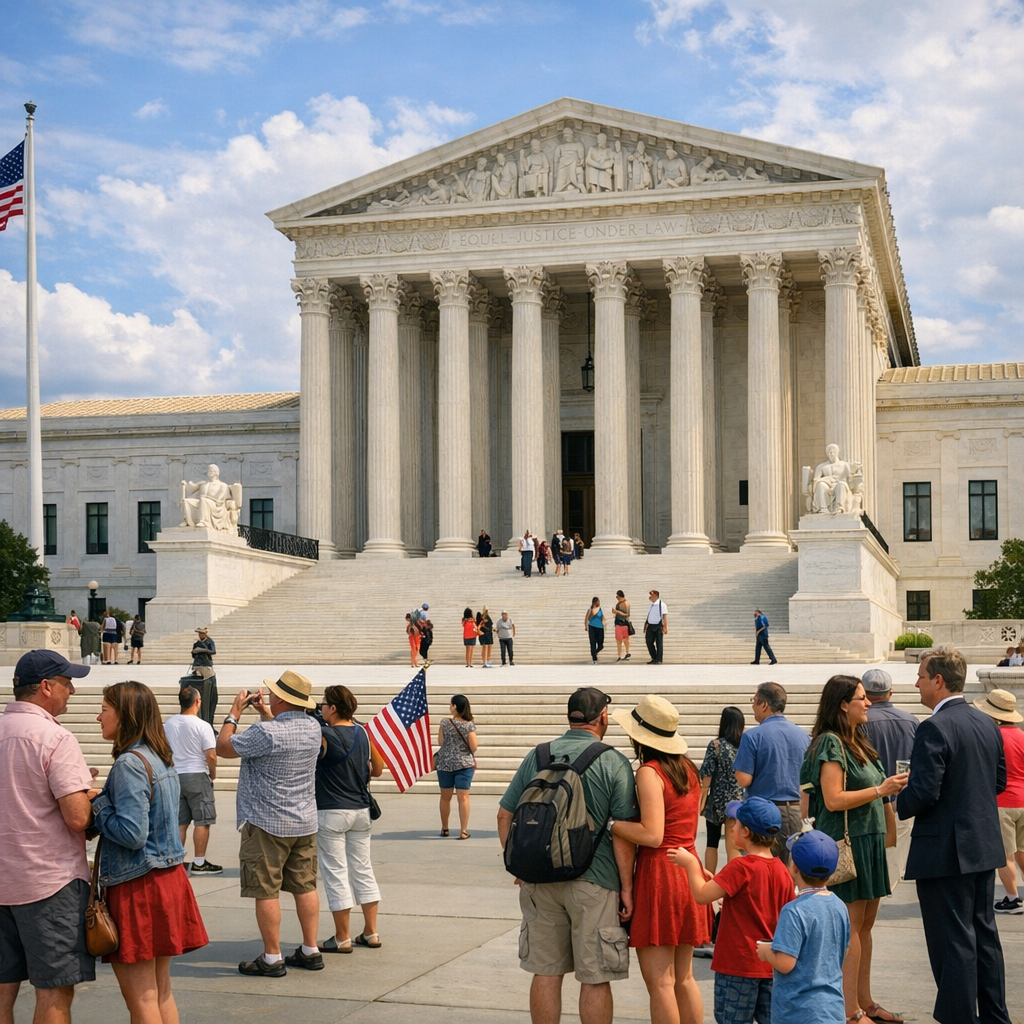
The latest polling shows Americans are feeling increasingly disillusioned with the core pillars of democracy. The Supreme Court’s approval rating has dropped to near historical lows, with just about one in three Americans saying they approve of its performance. This decline isn’t isolated—Congress and the presidency are also seeing sharp drops in public confidence. The broader message seems clear: institutions once viewed as above the fray are no longer perceived that way.
Supreme Court Decisions: A Mixed Bag
This term, SCOTUS has delivered major wins for conservatives, particularly in cases tied to immigration, redistricting, and federal regulatory power. Displaced rulings and conservative majority opinions have shifted longstanding precedents, while some high-profile attempts to expand executive control—on tariffs and citizenship—were blocked. The Court’s decisions are reshaping electoral rules and memorializing an aggressive approach from the administration, even as it caps off a term producing more political friction than unity.
The Economy, and Why It’s Weighing on Voters
Job growth is holding up, but not dazzling—enough to prevent collapse, yet not enough to erase lingering concerns. Inflation remains stubbornly elevated, especially in goods and energy, and costs continue to bite across many household budgets. Economic confidence is among its weakest in recent years, driven by uncertainty about interest rates, trade policies, and how far consumer prices have to fall before relief is felt.
Why This Matters for Our Local Communities
These national undercurrents affect us in places like Nashville: federal court rulings can reshape how states handle elections and civil rights, while shifts in regulatory authority influence healthcare, infrastructure, and environmental oversight. Economic anxiety can reverberate locally through stores, jobs, and housing—especially if interest rates or inflation stay high.
Looking Ahead
- Watch the political fallout from Supreme Court rulings—both at the ballot box and in state policymaking.
- Track inflation trends beyond headline numbers; core prices and energy often offer earlier signals.
- Stay informed about structural changes in federal agencies—changes now being made to regulatory power have long-lasting implications.
- Engage locally. Many of these shifts will land first—and feel strongest—in state and municipal systems.
We live in a moment that asks big questions: what does it mean when Americans no longer trust the branches of government designed to protect, balance, and serve? How will that fracture—or reform—affect communities across Tennessee and beyond? The answers may define this era.