

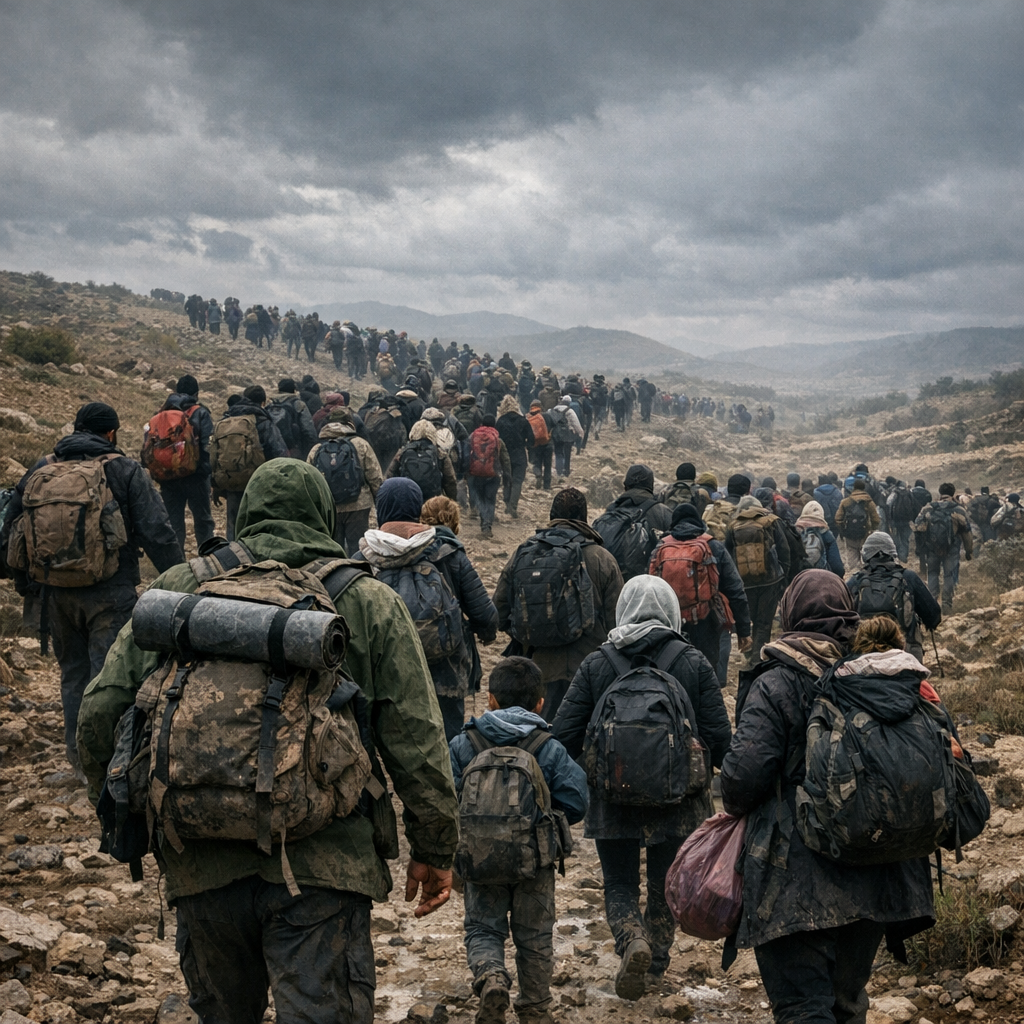
What we’re seeing: Scope and scale
At the end of 2025, the United Nations reported more than 117 million people globally are forcibly displaced—due to war, violence, persecution, or other upheaval. Of those, 41.6 million are refugees who crossed international borders seeking safety. Over 68 million are internally displaced within their home countries. One in 70 people worldwide live this reality. This marks a slight decrease in numbers—a 3% drop—largely due to returns in nations like Afghanistan, Sudan, and Syria. Yet, many of those returning face extremely difficult conditions.
Why displacement persists
Much of the forced migration is not new. Six countries—Afghanistan, South Sudan, Sudan, Syria, Ukraine, and Venezuela—account for a large share of people needing protection. Conflicts in these regions have stretched on for years, creating layers of crisis that can’t be reversed quickly. Climate disasters, economic collapse, and political instability often deepen these emergencies.
Hard truths for those seeking safety
Refugees remain disproportionately hosted by low- and middle-income countries, many of which have limited resources to supply aid and protection. Host nations often struggle with funding gaps, infrastructure strain, and political pushback—both from within and among international donors. Meanwhile, policy changes in wealthier states have made asylum access more restrictive in many places.
Health emergencies add urgency
Alongside displacement, global health challenges amplify risks. Ebola caused by the Bundibugyo virus in the Democratic Republic of the Congo and Uganda has been declared a public health emergency of international concern. Outbreaks of cholera, mpox, and continuing cases of COVID-19 are also part of ongoing humanitarian emergencies. These issues are often tied to—or worsened by—population movement, conflict, or disruptions in public infrastructure.
What’s the path forward?
Experts call for strategies beyond crisis response. That means investing in long-term solutions: ensuring safe and durable return when possible; creating legal pathways for refugees; strengthening host communities; and shaping policies that protect rights and dignity. An emphasis is also being placed on better preparing for overlapping crises—when displacement, health emergencies, economic stress, and climate shocks collide.