

By Ethan Martinez
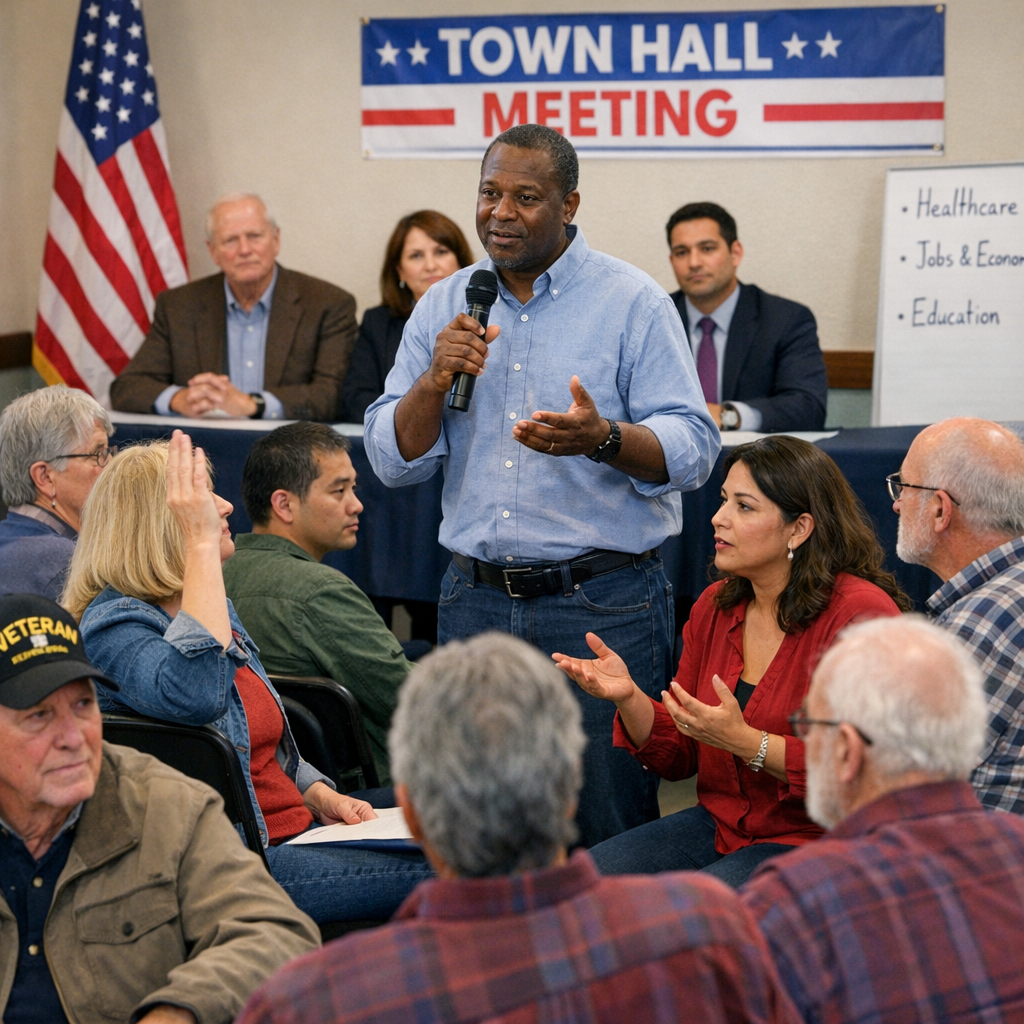
As the U.S. approaches a pivotal stretch of its political calendar, voters are laser-focused on a handful of issues that could shape not just how campaigns are run, but also how Americans judge their leaders—now and in the elections ahead.
1. Economy and Cost of Living
Concern about the economy remains paramount. Inflation, especially rising prices for food, housing, and healthcare, continues to be cited by large majorities as a major worry. Many Americans express frustration over stagnant wages that haven’t kept pace with these costs.
2. Healthcare Affordability
Health care remains a defining issue. Increasing costs, reduced public subsidies, and fears of loss of coverage are driving many to demand greater access, expanded insurance options, and protections for those with medical and financial vulnerabilities.
3. Immigration and Border Policy
Immigration ranks high on the list of priorities for many voters, especially when paired with concerns about border security and how policies are enforced. Views differ widely by party along how strict or humanitarian policy responses should be.
4. Money in Politics and Trust in Government
There’s growing concern that private money and special interests have outsize influence in national politics. Americans are also expressing unease over whether elected officials can work across party lines, and how well government institutions are fulfilling their responsibilities.
5. Reproductive Rights and Social Issues
Issues such as abortion access and reproductive health continue to mobilize voters, particularly in states where policy changes may be in flux. These topics often factor heavily into broader conversations about rights, identity, and state vs federal power.
What This Means as Midterms Near
— Candidates across parties will likely lean heavily into economic messaging, emphasizing plans to reduce costs, control inflation, and protect daily living standards. Local communities like Nashville may see those messages tailored toward healthcare access, insurance stability, and housing affordability.
— For voters, differentiating between rhetoric and results will be key. When expenses continue to rise and access feels uncertain, there’s often little patience for delays or political squabbling.
— In policy terms, expect tensions over immigration policy, public funding for health programs, and oversight of electoral systems and campaign financing. Decisions made at both the state and federal levels will be under intense scrutiny.
Our national conversation is shaped not just by today’s headlines, but by how these issues affect real lives—whether in Middle Tennessee or across the country. As these debates intensify, the choices voters make will reflect not just political preference, but priorities rooted in what they see each day: costs they feel, services they need, and values they want upheld.