

By Emma Johnson
Even as the world marks modest gains against hunger, global food security is under growing threat. A recent UN-led analysis shows that while fewer people were chronically hungry in 2025, soaring food prices, regional conflicts, and climate extremes are widely eroding that progress. For Nashville readers concerned about global equity and nutrition, the implications reach beyond headlines. These are issues with human faces—and urgent need for long-term solutions.
Where things stand
The 2026 edition of The State of Food Security and Nutrition in the World reports that 7.8 percent of the global population experienced hunger in 2025, with 2.1 billion people facing moderate or severe food insecurity. The pace of improvement is uneven: Africa, especially, has seen little recovery. In many rural communities, nutritious diets remain unaffordable even when basic food staples are somewhat available.
Separately, the Global Report on Food Crises 2026 confirms that two simultaneous famines were officially declared in parts of Gaza and Sudan in 2025—an alarming first in the modern reports’ history—and many more regions remain at high risk. Conflict remains the primary force driving acute food insecurity, closely followed by economic stress and extreme weather. Protracted crises—those lasting years—now account for over 80 percent of people in worst food situations.
Main threats feeding the crises
Conflict and instability
Where conflict tears through infrastructure, displaces communities, or blocks humanitarian access, people lose far more than homes—they lose their ability to plant, harvest, trade, and even access food aid. In regions like the Middle East, East Africa, and parts of Asia, warring actors worsen the suffering of vulnerable populations, often triggering famines or near-famine situations.
Economic stressors and affordability
For billions, food prices are rising faster than incomes. Even when food is available, high costs make healthy diets inaccessible. Inflation, costly fertilizers, disrupted markets, and limited investment in rural supply chains contribute heavily to the gap between hunger and healthy nutrition. Regions with weaker safety nets are hit the hardest.
Climate and weather disasters
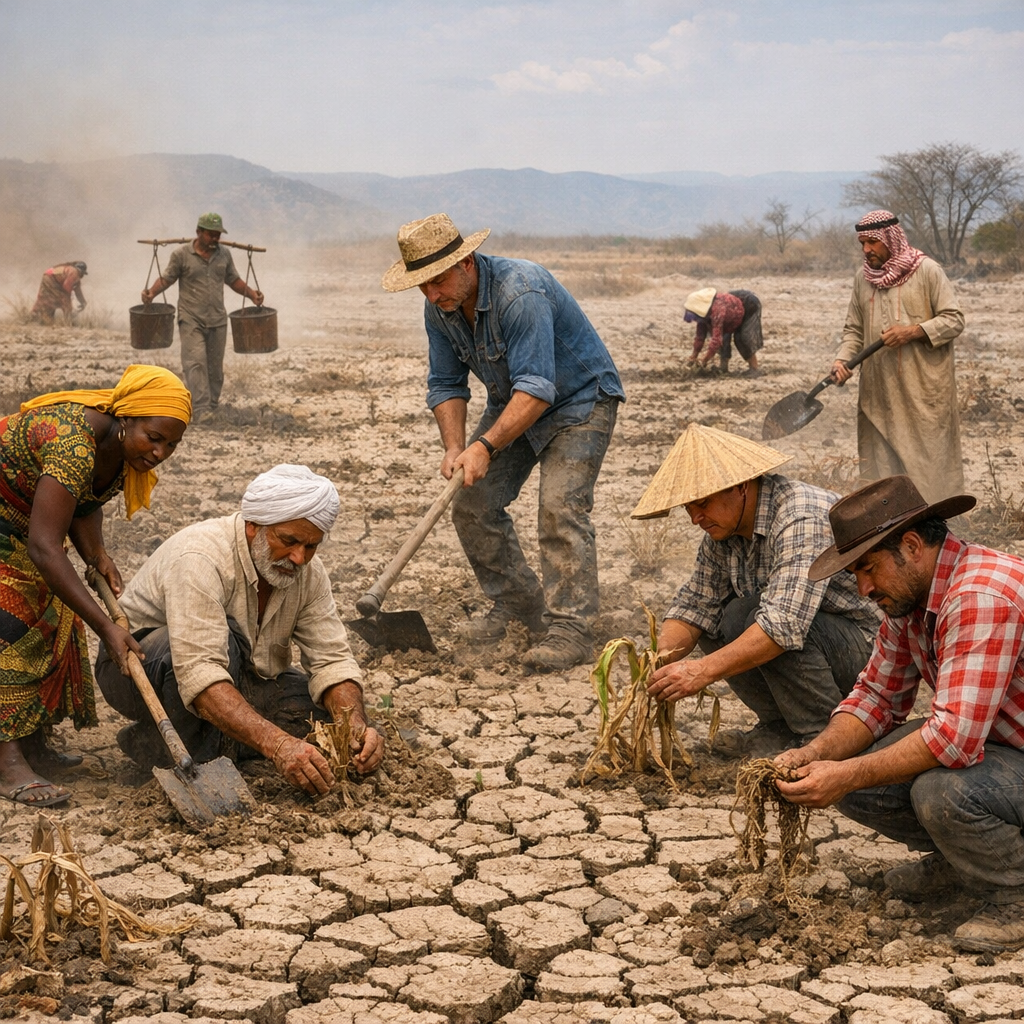
Droughts, floods, and heat waves are no longer occasional events—they’re becoming part of an accelerating and compounding pattern. Climate shocks damage harvests and reduce resilience, especially for smallholder farmers. Without mitigation and adaptation, such disasters will keep pushing more people toward hunger. Migration, displacement, and health risks follow.
What progress looks like—and what more must be done
Some progress is visible: where local policies, aid, and agricultural investment align, people’s access to food improves. Community-level resilience programs are helping restore farmland, protect soil, and rebuild local markets. But these gains are fragile. Without steady funding, political will, and broad cooperation, they may slip away.
Goals for eradicating hunger by 2030 are still within view—but falling short seems increasingly likely unless multiple actors step up:
- Governments and international donors need to scale up support for agriculture not just food aid, emphasizing sustainable, climate-resilient practices.
- Strengthening social protection systems such as food subsidies, nutrition support for mothers and children, and emergency safety nets is essential.
- Addressing conflict and governance issues: peacebuilding and stability are prerequisites for food systems to function.
- More investment in tracking data and early warning systems—to anticipate crises and act before they worsen.
Why it matters locally
Nashville is home to communities with deep connections around the world, through immigration, trade, and humanitarian partnerships. Global food instability affects markets, migration, and even supply chains that touch our grocery shelves and restaurants. Awareness, civic engagement, and support for effective foreign assistance policies have ripple effects: they can help improve food security abroad and strengthen U.S. global leadership in humanitarian action.
While the challenge is vast, the potential is not beyond reach. With coordinated effort, policy shifts, and local commitment—even from this city—progress can continue. Hunger’s decline may have paused in some corners, but with renewed energy, we can help ensure it never returns on a massive scale.