

By Mason Martinez
Climate Overview of Nashville
Nashville sits in a humid subtropical zone, which means we get hot, humid summers and winters that are cool with occasional snow. Average summer highs top out around 89 °F in July, while January’s highs are near 47 °F, with lows dipping into the low 30s. Annual precipitation is fairly evenly spread, though spring tends to be wetter, and late summer is often a bit drier. Over recent decades, urban growth has introduced a stronger “heat island” effect, causing built-up areas to retain more warmth, especially at night.
Seasonal Weather Patterns and What They Mean
• Spring and early summer: frequent rain showers, thunderstorms, and high humidity. These can trigger intense pollen releases and elevated risks for allergies.
• Summer: muggy and often oppressive, especially during heatwaves coupled with humidity. Ozone levels tend to spike on hotter days.
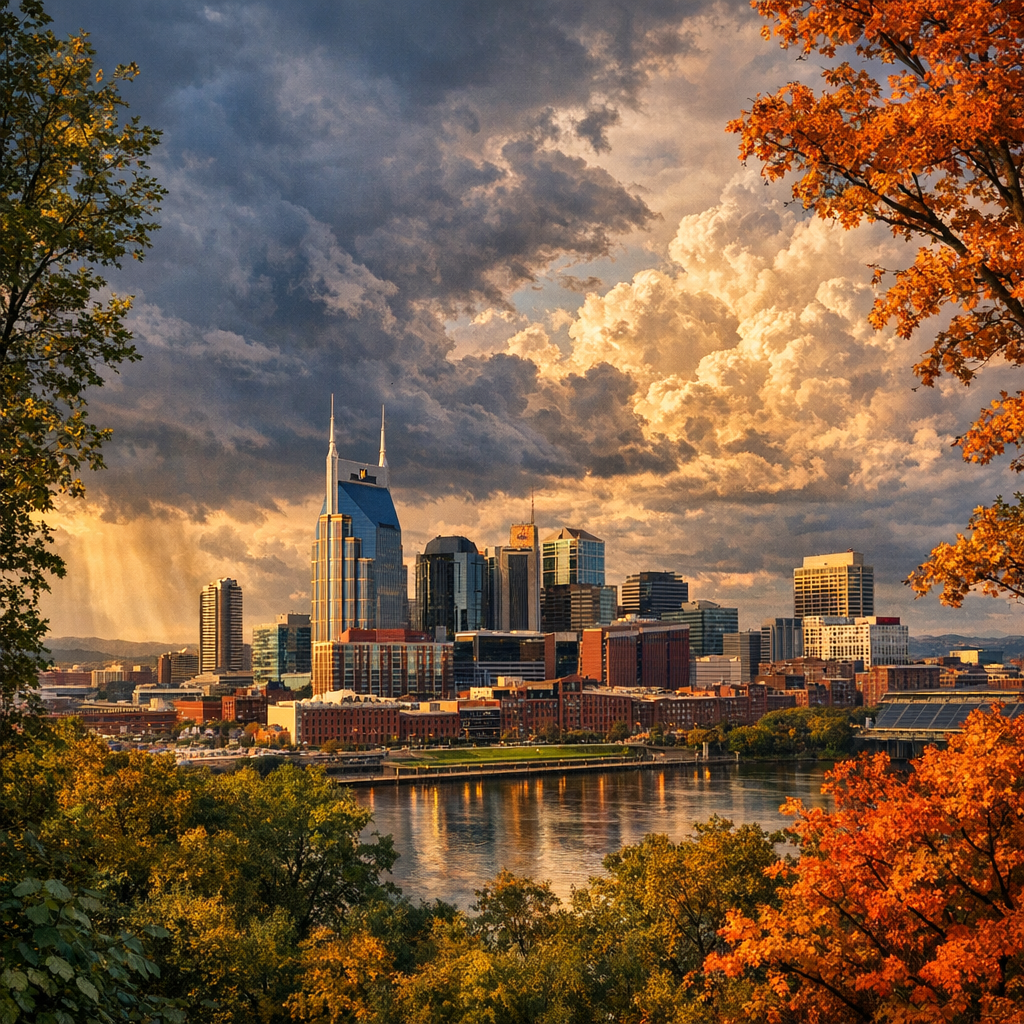
• Fall: generally pleasant, with cooling mornings and vivid foliage. However, lingering humidity and unpredictable storm systems may bring flash flooding in some areas.
• Winter: mild storms are typical, with snow being rare and usually light when it does occur—mostly in January and February. Inversions on cold mornings can trap pollutants close to the ground.
Air Quality and Health
Nashville’s air quality is largely driven by two challenges: ozone (typically worse in summer) and fine particulate matter (PM2.5), which tends to rise in cooler months. Major sources include vehicle emissions, weather that traps pollutants near the surface, and seasonal behaviors like heating. For folks with asthma, allergies, or other respiratory conditions, it’s wise to monitor daily air quality reports—especially during peaks.
Environment and Planning: What’s Being Done
Local officials have taken steps to address climate resilience and conservation. The Metro Environmental Dashboard tracks key indicators—everything from renewable energy to water management and green infrastructure. Meanwhile, the Ecological Conservation Strategy aims to preserve forests, watercourses, hillsides and overall ecosystems while the city grows. And there’s been recent legislation to regulate large-scale infrastructure projects like data centers to limit negative effects on air, water and surrounding neighborhoods.
What You Can Do Locally
Residents have power to adapt and protect both health and environment:
- Check air quality forecasts regularly during summer heat and spring allergy season.
- Plant native trees and support green spaces to reduce heat retention and improve air purity.
- Avoid idling vehicles, limit use of gas-powered lawn equipment to reduce emissions.
- Support policies that promote renewable energy, sustainable development, and thoughtful urban planning.
In Nashville, we’ll continue to experience shifts in weather and environmental conditions as the city grows. By staying informed and engaged, each of us can help ensure cleaner air, healthier landscapes, and a more resilient community.