

AI in Nashville homes: Usability meets skepticism
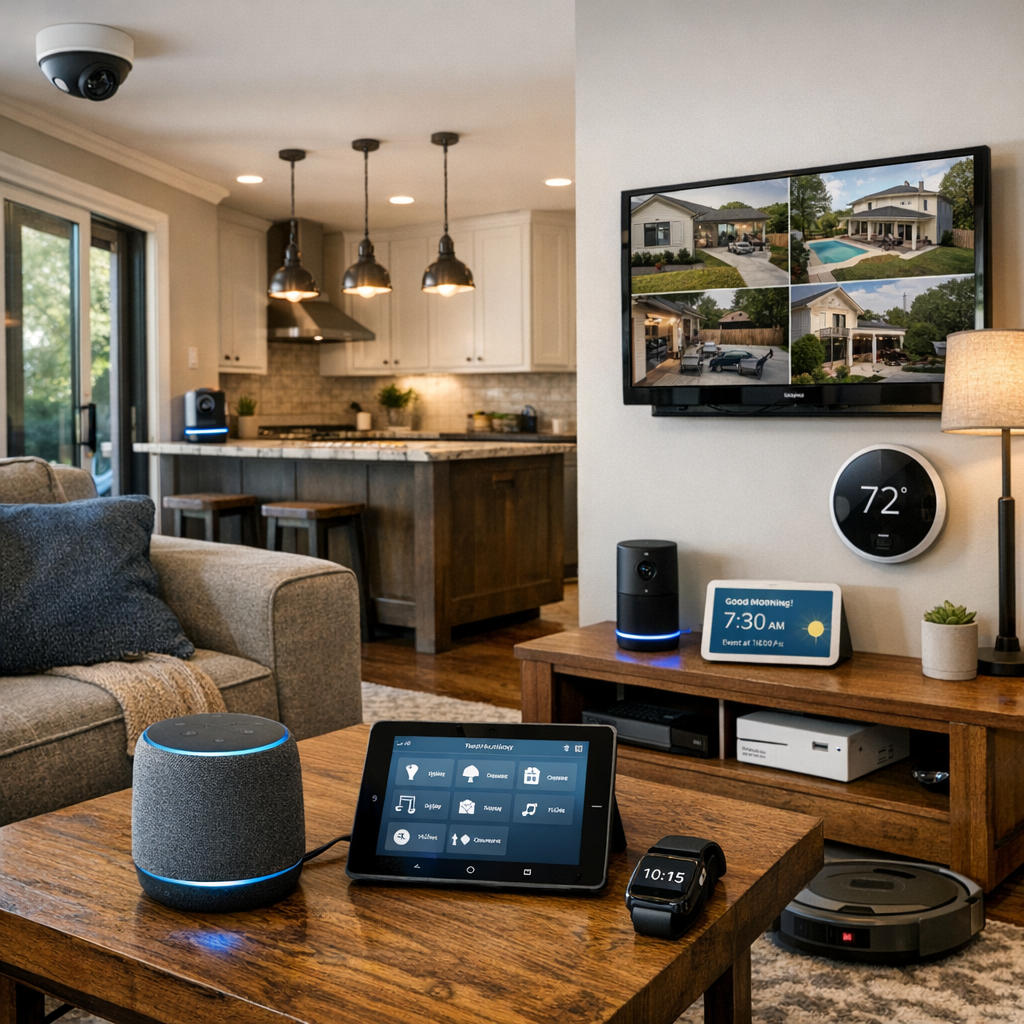
Walk into many Nashville homes today and you’ll find devices like smart speakers, video doorbells, and thermostats that adjust themselves. According to recent U.S. surveys, about one in three adults own a smart speaker, while fewer—but still significant numbers—have AI-enabled thermostats, security devices, or robot vacuums that save time and energy. The adoption is notable: 11 connected devices per typical household has become the new norm. These gadgets are quietly becoming part of domestic rhythm.
But even as many Nashvillians benefit from these tools, surveys show people in urban and rural parts of Tennessee, alike, also express growing concerns. Many appreciate the convenience—like searching for directions, handling work tasks, or managing home lighting—but worry about data security, surveillance, and personal privacy. That uncertainty underscores a broader national trend.
AI assistants and everyday routines
AI assistants—chatbots or voice-powered helpers—are no longer just curiosities. New data shows nearly one-quarter of Americans use AI every day, and a surprising share start their Internet queries not in a search engine but through an AI assistant. This has implications for local services from health advice to access to city information, and opens space for new startup ideas tailored to Nashville’s unique community needs.
Smart gadgets, big effects: small changes, major impact
Beyond the hype, it’s often the small things that make life easier. Robot vacuums and mops are now in nearly one-in-four homes; smart washing machines, toothbrushes, scales, motion-sensing lighting, and pet feeders are creeping into daily use. What once felt futuristic now feels like housekeeping. These gadgets reduce chores and free up time—something Nashville’s busy families, creatives, and shift workers all value.
Startups, equity, and civic tech: Nashville at a crossroads
Locally, the tech startup scene has been growing—homegrown innovators are working on solutions in health, music tech, smart home integrations, and education. But with increased connectivity comes responsibility. Access to reliable internet, digital literacy, and ensuring AI tools reflect local values are rising issues. Neighborhoods with fewer resources still lag in adoption of these gadgets—and when they do get access, they report issues like unclear instructions, privacy trade-offs, and compatibility problems.
Thoughts for users and builders here
For everyday users:
- Look beyond novelty—focus on devices that truly save time or address a specific challenge.
- Prioritize privacy: read settings, keep software updated, limit data sharing.
- Plan for compatibility—make sure new devices work together, keep an eye on energy costs too.
For local builders and startups:
- Create tools with inclusion in mind: focus on communities with less access to tech and help bridge the digital literacy gap.
- Be transparent about data, trust, and security in your products from the start.
- Seek input from real users in Nashville—don’t assume what works in tech hubs far away will match local life.
Technology isn’t just about the next big breakthrough—it’s about making daily life easier. In Nashville, we are already living in that future. Let’s make sure it works for everyone.