

The Rising Cost Curve for Local Business
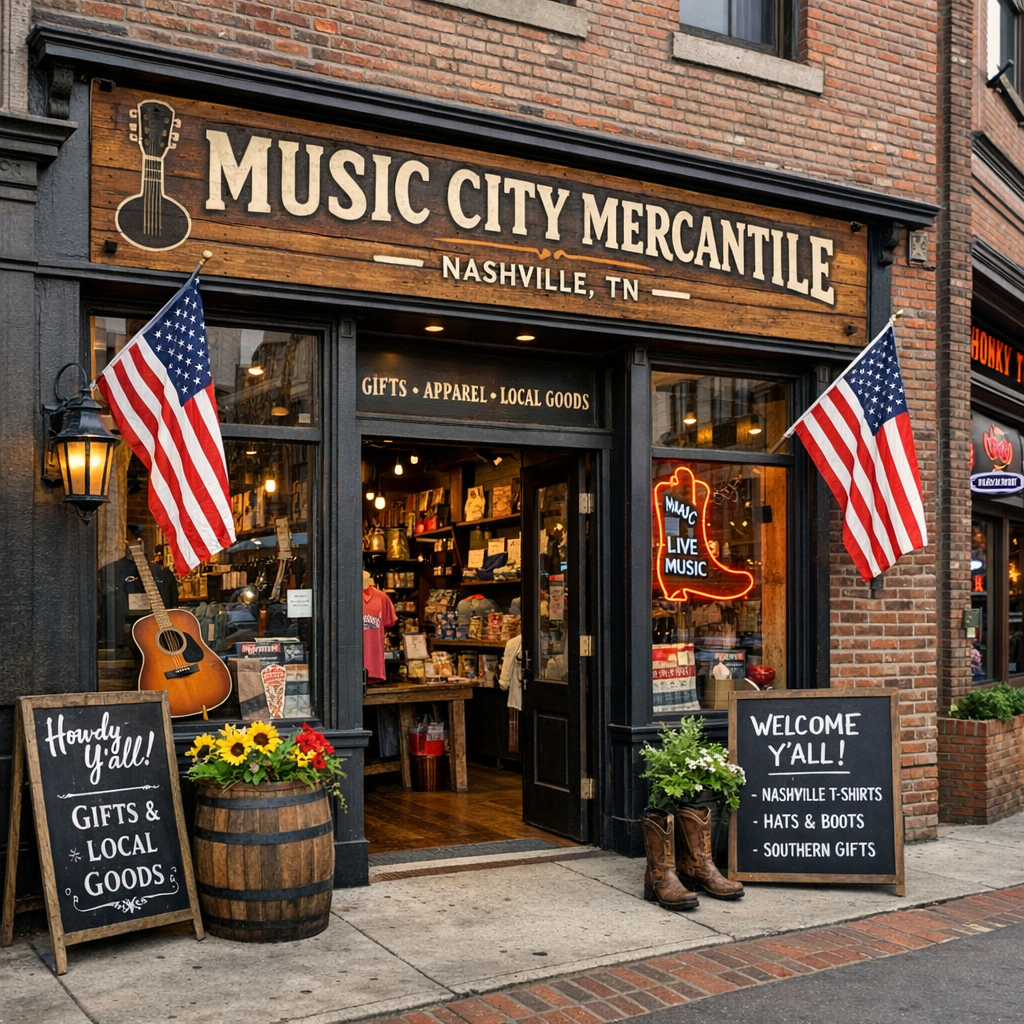
Nashville’s small business community is navigating a squeeze from property taxes, downtown reappraisals, high commercial rent, and rising input costs. Hospitality spots and honky-tonks in the city center are among the hardest hit, with some considering relocation or closure due to escalating tax burdens.
In response, Metro leadership has proposed new programs to help offset pressures. One includes a “Legacy Business Fund” aimed at supporting long-standing neighborhood establishments, with grants designed to ease operating costs and help preserve the character of local commercial districts. Another key move is a plan to reduce the grocery tax rate—an affordability measure intended to give both businesses and consumers some relief.
Workforce & Skills: Where Local Businesses Report Gaps
The job market is still tight: unemployment in the Nashville‐Davidson‐Murfreesboro‐Franklin metro area remains low, reflecting strong demand for labor. But many employers say the skills of available workers don’t always align with what’s needed—especially in healthcare, professional services, logistics, technology, and business operations.
Employers now increasingly value hands-on experience, adaptability, and awareness of emerging tools like AI. A recent report from Nashville’s Chamber highlights that job applicants are often expected to show credentials beyond a degree—such as professional certificates or demonstrable experience in tech tools.
Opportunities for Job Seekers and Entrepreneurs
Good news: market demand is high in several sectors. Healthcare, tech, advanced manufacturing, and supply chain roles are hotspots for new jobs. Entrepreneurs who can build services around workforce training—mentorships, bootcamps, or upskilling platforms—may find both a need and a market.
In addition, long-term businesses are prioritized in municipal planning. The mayor’s administration is placing value on supporting legacy establishments, and grant funding is becoming more available. It’s also helpful to watch for programs in affordable commercial leasing, zoning incentives, and tax relief—all of which can ease the burdens of launching or sustaining a local enterprise.
What Businesses Should Keep an Eye On
- Cost Control Strategies: Benchmark lease terms, explore shared workspaces, and negotiate vendor contracts to reduce overhead.
- Skill-Driven Hiring: Shift hiring practices towards candidate potential; offer on-the-job training or partner with local institutions to build pipelines.
- Policy Engagement: Small business owners should stay vocal in city council hearings and connect with trade or neighborhood associations to advocate for tax relief or affordability measures.
- Adaptability: Be ready to adapt offerings—whether that means embracing hybrid service models, leveraging online tools, or pivoting product mixes in response to local spending patterns.
Takeaway
Nashville’s economy continues to grow—but with growth comes tension. Rising costs, housing affordability, workforce mismatch, and regulatory pressures are very real for local businesses and job seekers. The upside: numerous programs and business trends are emerging to support sustainable growth. For those paying attention, there’s an opportunity to build stronger, more resilient models—rooted in community, skill, and adaptability.