

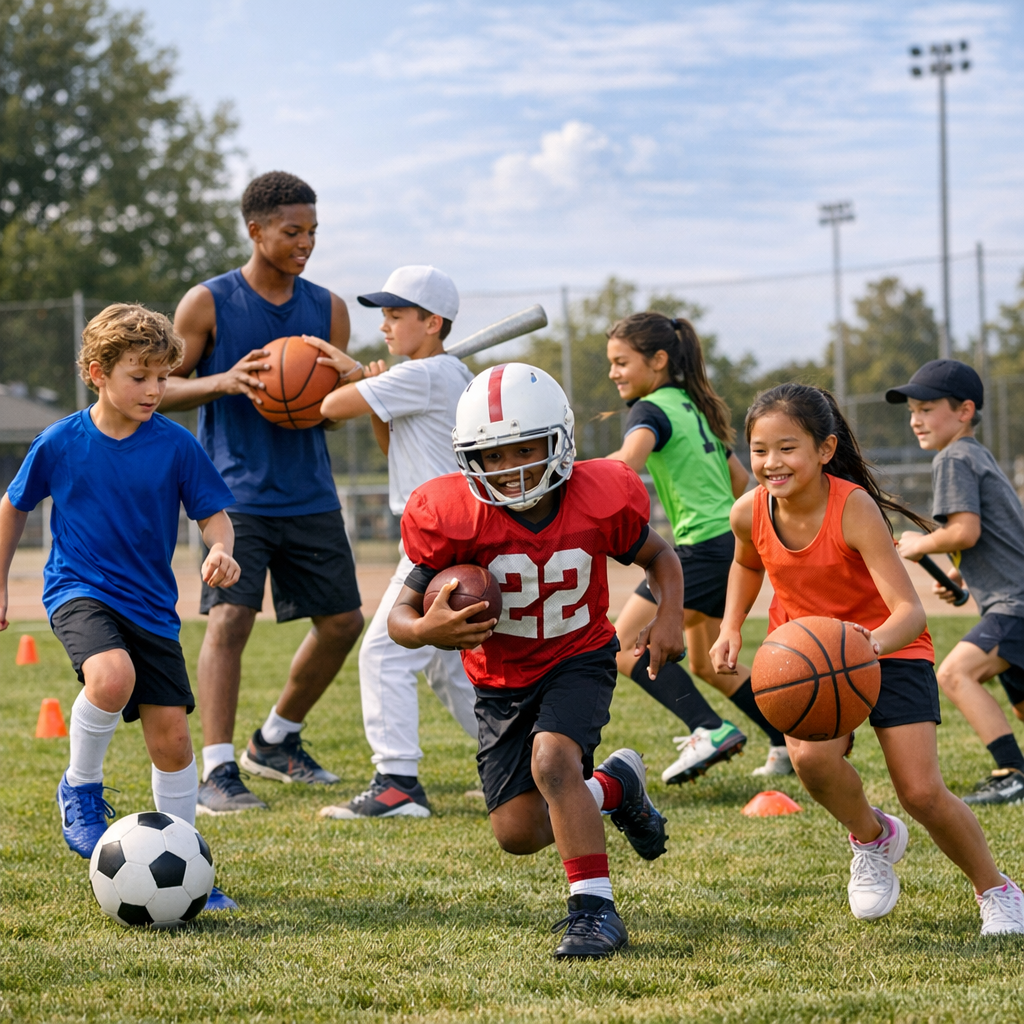
Here in Nashville, sports isn’t just about what happens under big stadium lights. It’s about the players starting young in community gyms, neighborhood fields, and youth leagues—and how those early experiences build the foundation for high school, college, and even professional sports. I’m Isabella Rodriguez, diving into how this local athletic culture shapes the city’s bigger picture.
Youth Leagues: More Than Just a Game
Places like N Zone Sports Music City and YMCA of Middle Tennessee offer children aged 3 to 14 chances to learn soccer, flag football, and basketball. These programs emphasize not just competition—but fun, character building, teamwork, and consistent schedules that parents and players can rely on. Some avoid tryouts and fundraisers so more kids can join without barriers.
Another standout is Harvest Hands’ Empower Sports, especially in South Nashville, which aims for affordability and access. It shows how some neighborhoods are taking extra steps to make sure every child, regardless of means, can play.
High School & College: The Pipeline Grows Stronger
High school sports in Nashville aren’t just about local bragging rights. Many student-athletes here see sports as a path—to college scholarships, to leadership roles, and to personal growth beyond the scores. While Nashville doesn’t have as many colleges as some regions, it has vibrant programs—like those at Belmont and Vanderbilt—that feed into professional level play in leagues like the NFL, MLS, and NHL.
Facilities like E. S. Rose Park provide versatile fields for multiple school sports—soccer, baseball, softball, track & field—making it easier for various programs to share space and resources. That kind of coordination helps more kids develop their skills year-round.
The Bigger Picture: Community, Health, and Equity
There’s more than wins and losses at stake. Youth sports contribute to mental health, improved confidence, and stronger community ties. Programs that welcome mixed ages, backgrounds, and skill levels—like those from Buddy Up for Life or Metro Parks—often become safe spaces where kids gain life lessons in respect, belonging, and resilience.
Accessibility remains a focus. Programs with sliding scale fees, free or low-cost clinics, and partnerships between nonprofits and schools make it easier for young athletes to get involved. Special efforts are underway to reach youth with disabilities, and those from economically underserved neighborhoods, with sports and recreation services.
How You Can Watch It Unfold—and Get Involved
- Support school sports programs—attend games, donate gear, volunteer your time.
- Look into youth sports options in your area—many leagues offer free trials or low-cost entry.
- Ask local officials about inclusivity and funding for athletics—especially in neighborhoods with fewer resources.
- Celebrate student-athletes at all levels—not just the stars—because many will be the heart of our community long after they’ve left the field.
Every soccer pass, every free throw, every cross-country race—these are the building blocks of something bigger. As sports fans, parents, and neighbors, we already see it: Nashville’s youth are not just learning to play. They’re learning to lead.