

By Ava Brown
Nashville isn’t just about music anymore. The “Tech City, South” is quietly deep in the midst of an AI-fueled shift that’s altering daily routines, accelerating local startup success, and raising fresh questions about ethics, privacy, and what’s possible in everyday life.
Smart Homes, Health, and the Devices We Live With
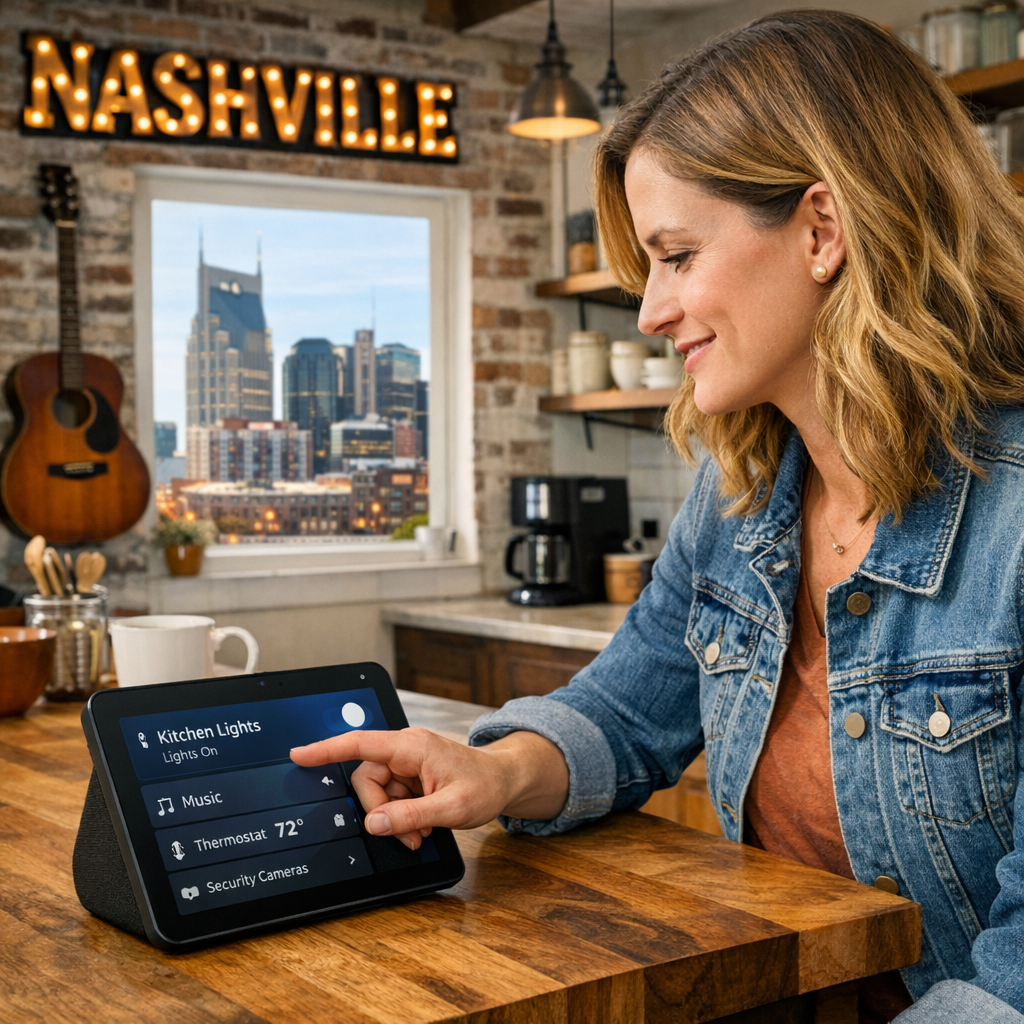
Across Nashville, people are bringing intelligent tech into homes. Whether it’s privacy-minded smart speakers, wearables that track health metrics, or AI-powered tools that help parents or students, devices are getting smarter and more present. Rather than being luxury items, many of these gadgets are becoming almost essential extensions of daily life.
Alongside consumer wearables, healthtech startups here are pioneering tools that take medical monitoring beyond hospitals. Startups are giving people more control over chronic conditions via remote data, AI-based alerts, or tools that simplify accessing care. These advances are making healthcare both more personalized and more accessible—especially as telehealth and home recovery options expand.
Startups Leading the Charge in Nashville
Nashville’s startup ecosystem is strong in healthtech, enterprise software, fintech, and infrastructure tools. Among local companies gaining traction are UnityAI (building AI-powered support systems for healthcare operations), XOi Technologies (providing field-service intelligence in industrial sites), and Thyme Care (offering value-based care navigation in cancer treatment). These ventures are drawing attention for their ability to blend cutting-edge tech with deep local insight.
Support systems are evolving too. Increased VC funding, local accelerators, and organizations like Interactive for Startups are helping founders get advice, build products that matter, and connect with national investors without leaving Music City.
City Policy, Everyday Risks, and What You Should Know
The Metro government has moved cautiously—but deliberately—toward integrating AI into public operations. A revised AI policy sets guidelines for data classification, human review, transparency, and record-keeping. As of mid-2026, the city publicly maintains a registry of over two dozen AI tools in use, aiming to balance innovation with accountability.
Still, there are growing concerns among residents about privacy, algorithmic bias, and environmental impact. Data centers—required to power much of this AI activity—consume significant energy and water, and many people worry about where responsibility lies when mistakes happen. Live with that uncertainty, and tech literacy becomes a civic skill.
What Nashvillians Can Do to Stay Ahead
Want to make sure you’re getting benefits without being blindsided? Here are a few ideas:
- When buying a gadget, check privacy settings: Can it limit data shared? Does it have strong local control or on-device AI?
- Support and follow local startups: Building solutions that understand Nashville often means they’ll be more responsive to community needs.
- Participate in public input when AI policies are reviewed: These decisions affect all of us together.
- Keep learning: There are workshops, meetups, and online or local resources to understand what AI is doing—and where it may go.
Tech doesn’t have to be something you only hear about on stage—it increasingly shows up in the kitchen, in the commute, in the way we heal, and in how Nashville grows. And it’s not waiting for tomorrow: what it is today is worth paying attention to.