

By Emma Johnson
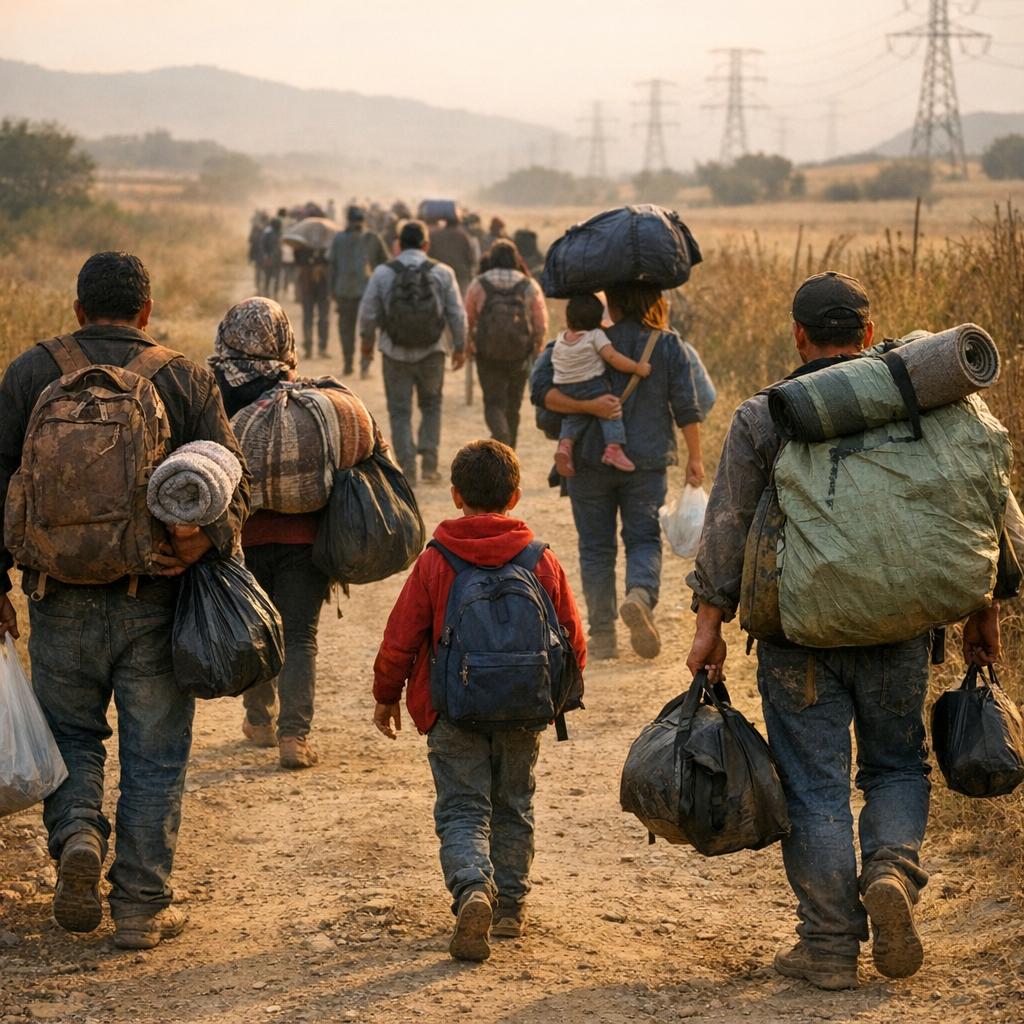
Forced displacement is at a staggering scale: millions of people around the world are uprooted from their homes each year by violence, persecution, or environmental disasters. Understanding the scale, impact, and potential paths forward is crucial for global citizens—including those here in Nashville—to grasp our shared challenges.
How many people are displaced, and why it matters
At the end of 2025, approximately 117.8 million people worldwide were forcibly displaced due to persecution, conflict or severe disturbances in public order, according to UN agencies. This includes:
- About 41.6 million refugees crossing international borders.
- Roughly 9 million asylum-seekers awaiting decisions on protection status.
- Around 68.7 million internally displaced people (IDPs), forced to flee their homes but still within their nations’ borders.
The refugee population fell slightly compared to the year before, largely because some displaced people were able to return home. But many returnees face ongoing instability, infrastructure damage, and risk of renewed displacement.
What’s driving displacement
Multiple overlapping forces push people to flee:
- Conflict and violence. Wars in places like Sudan, the Democratic Republic of the Congo, Myanmar, and Yemen continue to uproot communities and generate protracted displacement crises.
- Climate-related shocks. Droughts, floods, heat waves are compounding conflict, undermining crops, water supplies, and safety. Displaced people often end up moving because environmental deterioration has destroyed livelihoods—or worsened communal tensions over dwindling resources.
- Instability and governance gaps. Fragile states, weak institutions, political upheaval allow conflicts to fester, limiting access to basic protection, leading to human rights violations and mass displacements.
The challenge of returns and solutions
Some good news: returns of refugees and IDPs rose in 2025. Many left due to improved security conditions or negotiated access, especially in places like Syria, Sudan, and Afghanistan. However, “returns” does not always mean “recovery.” Returnees frequently arrive to homes destroyed or lacking services. Without resources, rebuilding is fragile.
Statelessness—denial of legal nationality—is another persistent issue. Millions of people, especially children born in displacement or in marginalized communities, lack access to civil registration, education, or employment because they are not recognized as citizens anywhere.
What needs to be done globally—and how people in Nashville can connect
To meet this crisis, several international actions are critical:
- Strengthened global cooperation. Countries must share responsibility not just for sheltering refugees but for funding protection systems, resettlement, and development aid.
- Investments in safe return and reintegration. Returning home should go hand-in-hand with rebuilding infrastructure, supply lines, and healthcare—allowing displaced people to restore stable lives.
- Address climate displacement. Planning for climate risks must be baked into refugee protection, agricultural policy, and urban planning—all areas vulnerable to extreme weather and environmental degradation.
- Protecting rights and access. Legal pathways to asylum, identification documents, education, and livelihoods must be secured for displaced people and stateless populations.
For Nashvillians, global displacement might feel distant—but our lives are tied to it. Many locally resettled refugees, immigrant communities, faith organizations, and non-profits work directly with displaced people—offering housing, language services, job training, and mentorship. Volunteering, supporting refugee rights groups, or advocating for humane immigration policy are concrete ways to engage.
Forced displacement is one of the defining global issues of our time: it bridges conflict, climate, migration, human rights—and testing our sense of shared humanity. The more we understand, the more we can shape solutions that restore dignity, not just asylum.