

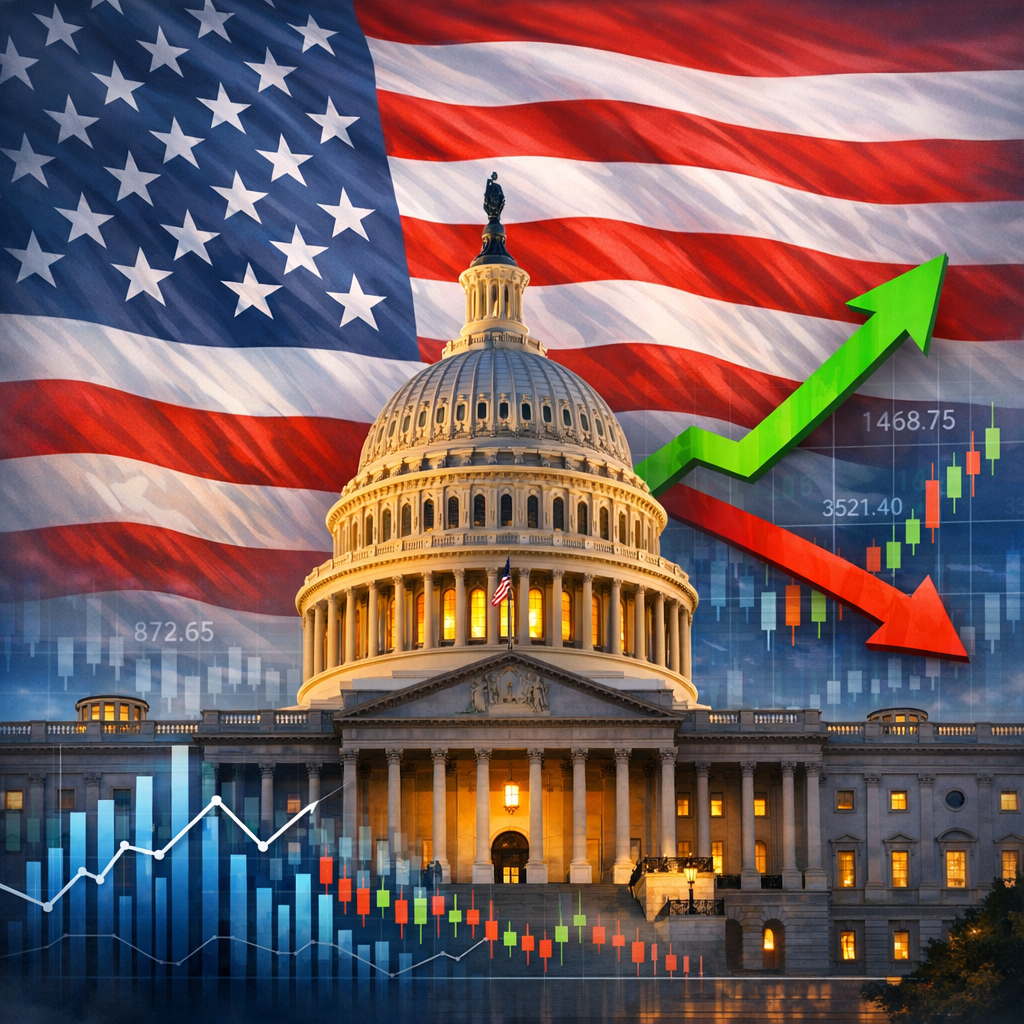
Washington is in the midst of a volatile mix of foreign conflict and domestic strain. As the war with Iran reaches its six-month mark, its economic and political fallout is increasingly impossible to ignore. From soaring costs at home to military supply strains abroad, the consequences are reshaping voter perceptions and political strategy heading into key elections.
War at Six Months: Decision Fatigue and Strategic Shift
President Donald Trump once described this conflict as a “little excursion,” expected to wrap up in weeks. Now halfway through, the administration is pivoting away from military escalation toward economic pressure as a primary tool. Sanctions are being emphasized, while supply limitations—such as dwindling stocks of Patriot missile interceptors in Europe—highlight the logistical toll. Military experts warn that the U.S. is facing near-critical shortages of sophisticated interceptors amid heightened demands from NATO allies. The war’s trajectory is no longer about rapid victory but managing ongoing costs and constrained resources.
Inflation: A Slow Burn That’s Hitting Voters Hard
While inflation has eased slightly in recent months, price pressures remain stubborn—especially on essentials like food, housing, and energy. Job market indicators offer mixed signals. Layoffs remain low, and unemployment claims have dipped somewhat, but gains are fragile. As Americans continue juggling budget pressures and unpredictable costs, the urgency for economic relief is growing.
Impact on the Ground
Everyday expenses—not abstract economic metrics—are defining voter experience. From grocery carts to mortgage payments, many households feel the squeeze. This is a liability for incumbents. Democrats point to lingering inflation and rising costs to criticize Republican policy choices; Republicans counter by signaling that more regulation and executive actions could worsen economic instability.
Midterms Loom: Strategy Under Pressure
The dual pressures of war fatigue and cost pressures are tilting the political playing field. Republican candidates still align themselves with Trump’s “America First” narrative, but there is growing concern about how closely to tie themselves to current foreign policy choices—particularly the conflict with Iran. Democrats, meanwhile, are seizing on economic discontent as a lever to criticize Republican governance and push for legislative solutions.
Electoral strategy now depends as much on convincing voters of competence and stability as anything else. As Senate Republicans are scrutinized for delays on voting legislation and mid-term campaigns ramp up, war expenditures and inflation serve as critical high-stakes variables in messaging.
What to Watch Next
- Will economic sanctions yield diplomatic progress or deepen geopolitical risk?
- Can inflation be pushed back down without destabilizing credit markets or job growth?
- How will candidates adjust their positions on foreign policy if war fatigue climbs in key states?
- Will legislative momentum overcome partisan gridlock on voting access, cost relief, or war powers?
At this midpoint of 2026, Americans are watching not just foreign horizons—but the costs closer to home. Economic anxiety paired with foreign policy discontent is shaping a political environment where competency and clarity matter more than ever. For voters, the outcomes won’t just define November—they’ll shape what many hope will be a return to reason.