

By Sophia Anderson
Current Trends: Price Growth and Inventory Shifts
The Nashville housing market is showing signs of cooling—but not collapsing. In July 2026, the median sale price in the metro area rose to about $485,000, up roughly 2.1% year-over-year. Inventory has increased nearly 20%, offering more options for buyers who previously faced tight supply and fierce competition.
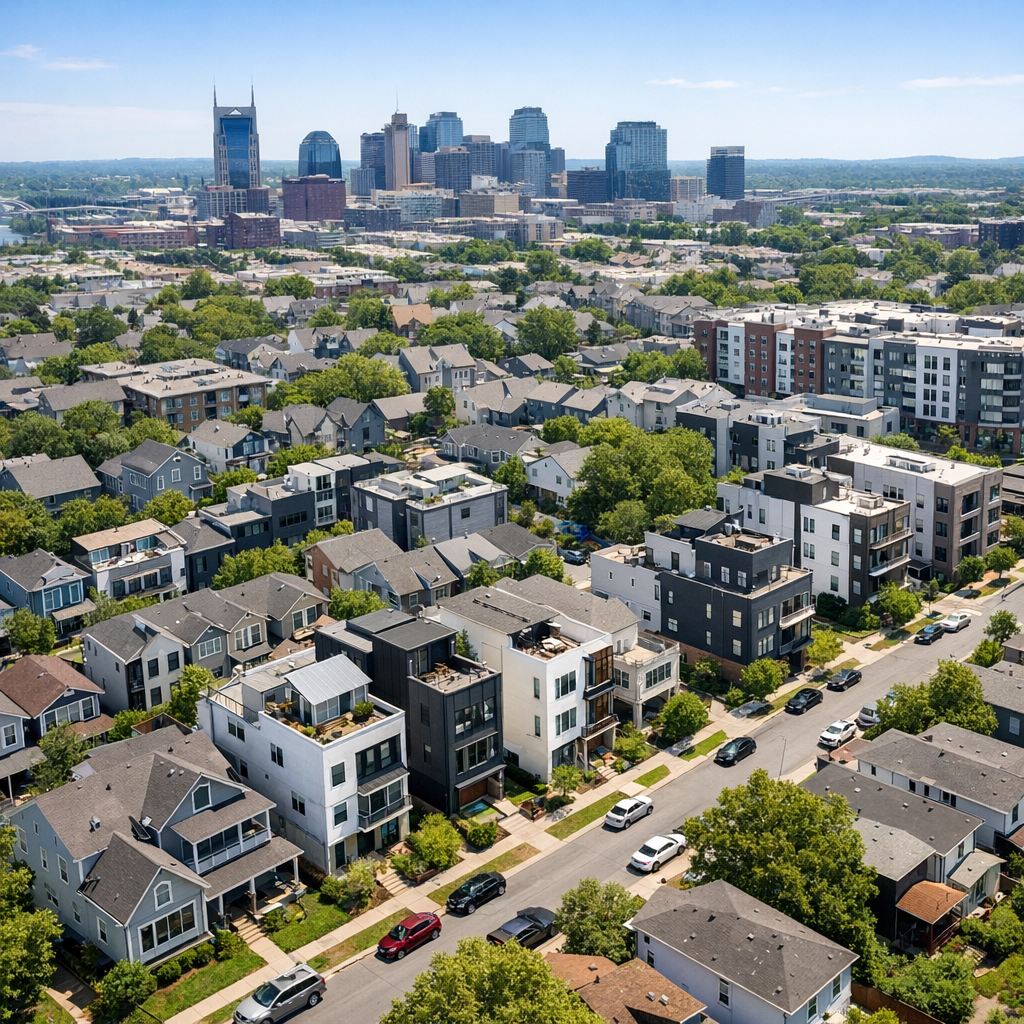
However, the rising selection comes with some trade-offs. While single-family homes are still rising in value (especially in the suburbs), condo prices have slipped—falling around 5-6% in some cases. Townhomes, meanwhile, are holding steady or growing modestly.
Rentals and Multifamily Units: What’s New?
After a wave of new apartment construction 2023-2024, multifamily unit delivery has eased. The vacancy rate has risen—especially in higher-end, Class A buildings—with Downtown and similar areas seeing vacancies near or above 9%. Rent growth is moderate; it’s slowing compared to past years of rapid hikes, easing pressure on renters.
Homebuyers’ Outlook: More Choice, New Challenges
Buyers have more breathing room than in the most heated stretch of the past few years. With longer days on market—often approaching two months—homes that are priced well and in desirable neighborhoods are seeing more negotiation space. On the flip side, affordability remains a concern: the gap between wages, down payments, and mortgage rates still makes buying out of reach for many long-time residents.
Development & Policy Moves: Growing Housing Types and Supporting Affordability
Planning and zoning efforts are underway to promote smaller-scale housing types alongside traditional single-family homes. The Housing & Infrastructure Study is proposing design-based standards for new zoning districts to encourage predictability in form, height, and layout—intended to increase housing variety and address infrastructure strain.
Meanwhile, Nashville’s Unified Housing Strategy sets several goals: building new housing, supporting homeownership, preserving existing housing, and improving stability and accessibility. Such programs aim especially to assist first-time buyers and low to moderate income households.
What Homebuyers, Renters & Developers Should Watch
- Budget with care: Include costs beyond mortgage—insurance, maintenance, any design-overlay restrictions for renovations.
- Explore housing types: Townhomes or smaller single-family homes may offer value; condos may feel like deals but often come with HOA fees and design constraints.
- Know the zoning and overlays: In areas like East Nashville, Bellevue, or The Nations, Urban Design Overlays, historic preservation, or upcoming corridor plans can affect what you can build or change.
- Consider transit and commuting: Homes further from downtown may offer space and lower price, but commute time, transit access, and road infrastructure matter for long-term satisfaction.
- Keep an eye on policy changes: New zoning districts, local incentives for affordable housing, and homebuyer assistance programs may affect what’s feasible.@@section policies
As Nashville’s housing market shifts from a rapid seller’s market toward more balance, opportunities increase—but so do complexities. Whether you’re buying, renting, or developing, staying informed about local trends, regulations, and cost trade-offs will help you make smarter decisions in this evolving landscape.