

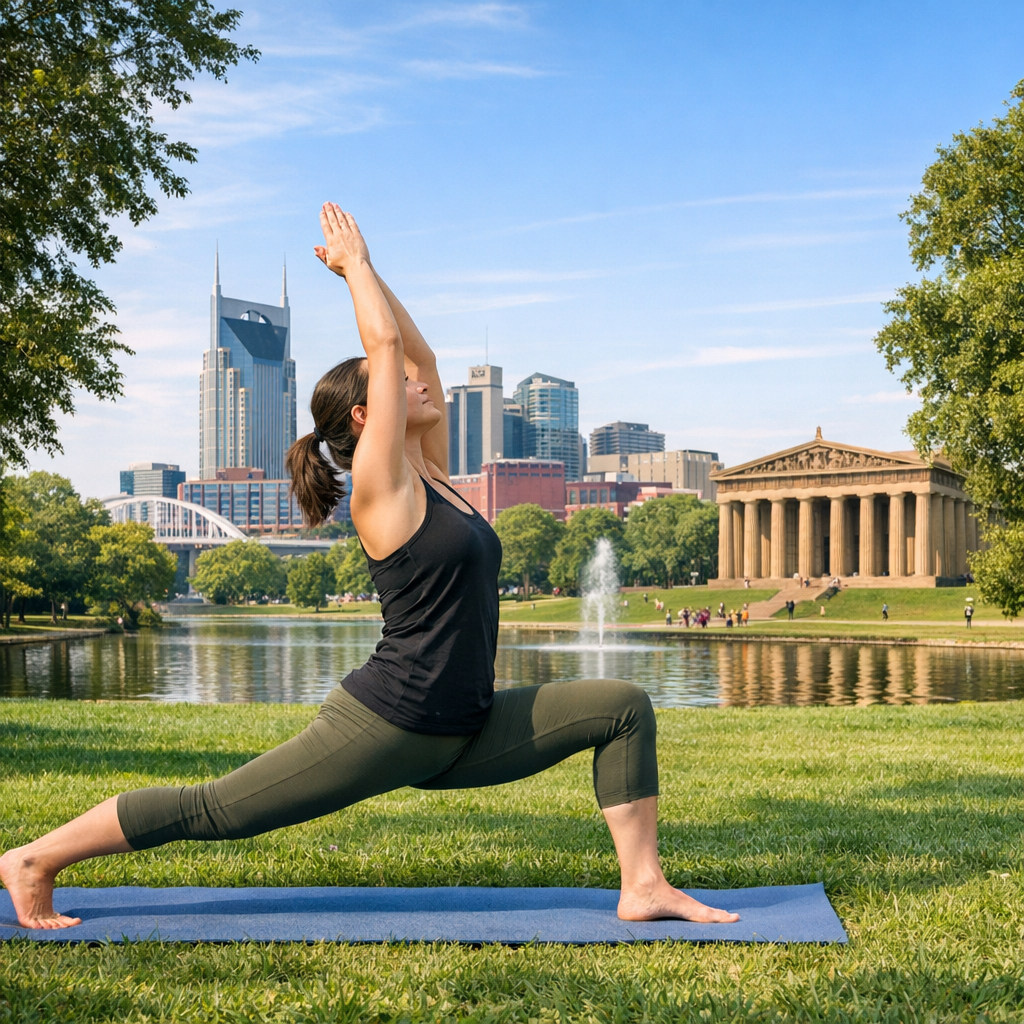
In Nashville, where greenways, community centers, and local gyms thrive, there’s powerful opportunity to strengthen both body and mind. It’s not just about sweating—it’s about improving mental wellness, resilience, mood, and everyday joy. Here’s how to use fitness and healthy living to support mental health.
The science behind exercise and emotional well-being
Recent research shows regular physical activity helps reduce symptoms of depression and anxiety, sometimes rivaling traditional treatments like medication or therapy. Various types of activity — aerobic exercise, strength training, yoga — are all effective when kept consistent. The greater the intensity and regularity (within safe limits), the stronger the benefits tend to be.
It’s not just about big workouts. Studies find that leisure-time physical activity—walking, gardening, dance—connects more strongly with positive mental health than activity at work or chores.
Local resources in Nashville
If you’re looking for places to move your body, strengthen and restore your mind, Nashville offers several accessible options:
- Nashville Metro Parks fitness centers: ranging from neighborhood fitness rooms to full service Regional Centers like Centennial Sportsplex. Reasonably priced memberships with strength and cardio equipment, classes, and affordable personal training.
- Metro Public Health Department Behavioral Health Services: free or no-insurance counseling at public centers. Combining mental health support with physical activity can enhance results.
- Local Studios & Gyms: Yoga, Pilates, resistance training, and dance studios or gyms with small group classes allow social connection and expert guiding—two ingredients that multiply mental health benefits. (Names change often—ask neighbors, studios, or park boards.)
How to build sustainable, mental-health friendly routines
Start small, aim for joy
You don’t need exhaustive routines or long gym sessions. Begin with walks in your neighborhood or at local parks, short yoga flows, or bodyweight exercises. Small, enjoyable steps are more sustainable and less overwhelming.
Mix it up
Alternate between aerobic work (walking, jogging, biking), strength/resistance work, and mind-body forms like yoga or tai chi. Variety keeps motivation high, and different modes appeal to body and mind in different ways.
Consistency, not perfection
Doing something moderately intense several times a week tends to help more than infrequent intense workouts. Even low to moderate activities performed regularly can significantly reduce depression risk.
Combine community & support
Working out with others—gym classes, running clubs, group hikes—adds social support, accountability, and joy. Community reinforces habit and helps reduce feelings of isolation. Also consider combining exercise with therapy or counseling as part of a broader wellness plan.
Self-care tips for body and mind at home
- Prioritize sleep: regular rest supports mood, recovery, and reduces anxiety.
- Watch screen time: too much passive screen use often erodes mood; replace some of it with physical activity.
- Eat balanced meals: nutritious food fuels both brain and body.
- Be gentle with yourself: progress isn’t linear. Celebrate small wins.
Whether you’re walking through Shelby Bottoms, lifting at Centennial, flowing through yoga in East Nashville, or meditating in your living room—movement is medicine. In our city, there are so many paths to stronger mental health. Take the first step on the one that feels right for you.