

By William Lopez
There’s a stretch in Nashville where concrete and asphalt mark the boundary between what was and what remains. Jefferson Street once stood as the heart of African American culture, commerce, music and activism. But when Interstate 40 cut through that vibrant corridor, it severed more than roads—it disrupted lives, dislocated businesses, and damaged generations with its scars.
A corridor of brilliance
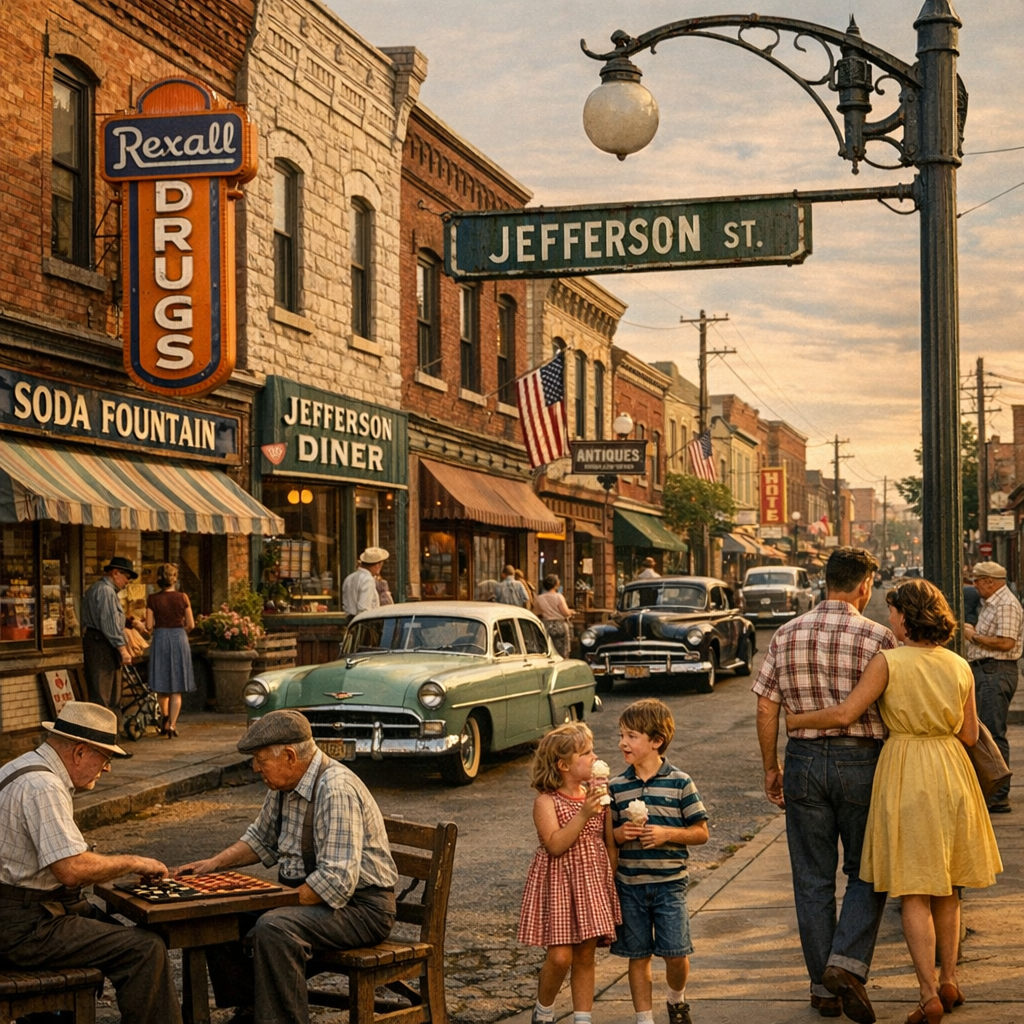
Jefferson Street was more than a street—it was a lifeline. Black-owned businesses thrived; R&B and jazz reverberated from clubs and theaters; churches doubled as community centers; and students emerged from local HBCUs, emboldened by the songs of change and civil rights marching toward justice.
The silent damage of progress
When the interstate came running, it didn’t negotiate. Homes were destroyed. Businesses closed. People were uprooted. The construction around that time—along I-40 and other highways—chose destruction over heritage, displacement over inclusion. Families that had built intergenerational wealth were pushed out. Traditions slipped into memories.
Heritage under threat
Without investment and protection, history fades. Physical reminders like buildings can be replaced by office spaces and parking garages. Intangible elements—songs, dances, dialects, oral histories—lose transmission if not passed along. But real change begins when we elevate lived experiences: when elders’ stories are collected; when murals and music memorialize what was; when policy listens to those who remained.
Paths toward healing and recognition
Nashville is growing fast—for some, too fast. Yet that growth doesn’t have to come at cultural cost. We can:
- Support community organizations working to preserve Jefferson Street’s memory through arts, history, and storytelling.
- Ensure that new development near historic neighborhoods includes residents in planning, and that revitalization honors—not erases—the past.
- Promote policy that protects cultural landmarks and provides financial aid to small businesses rooted in history.
- Commit to education—in schools and public forums—about the stories that highways tried to erase.
Jefferson Street’s history informs not just what Nashville was, but what it can be: a city that holds its culture close, not pushes it away.
I speak as someone who walks past vacant lots and empty storefronts along that corridor and wonders about who once laughed here, who sang here, who made this street theirs. Our city is still breathing; the roots are deep. Let’s tend them.