

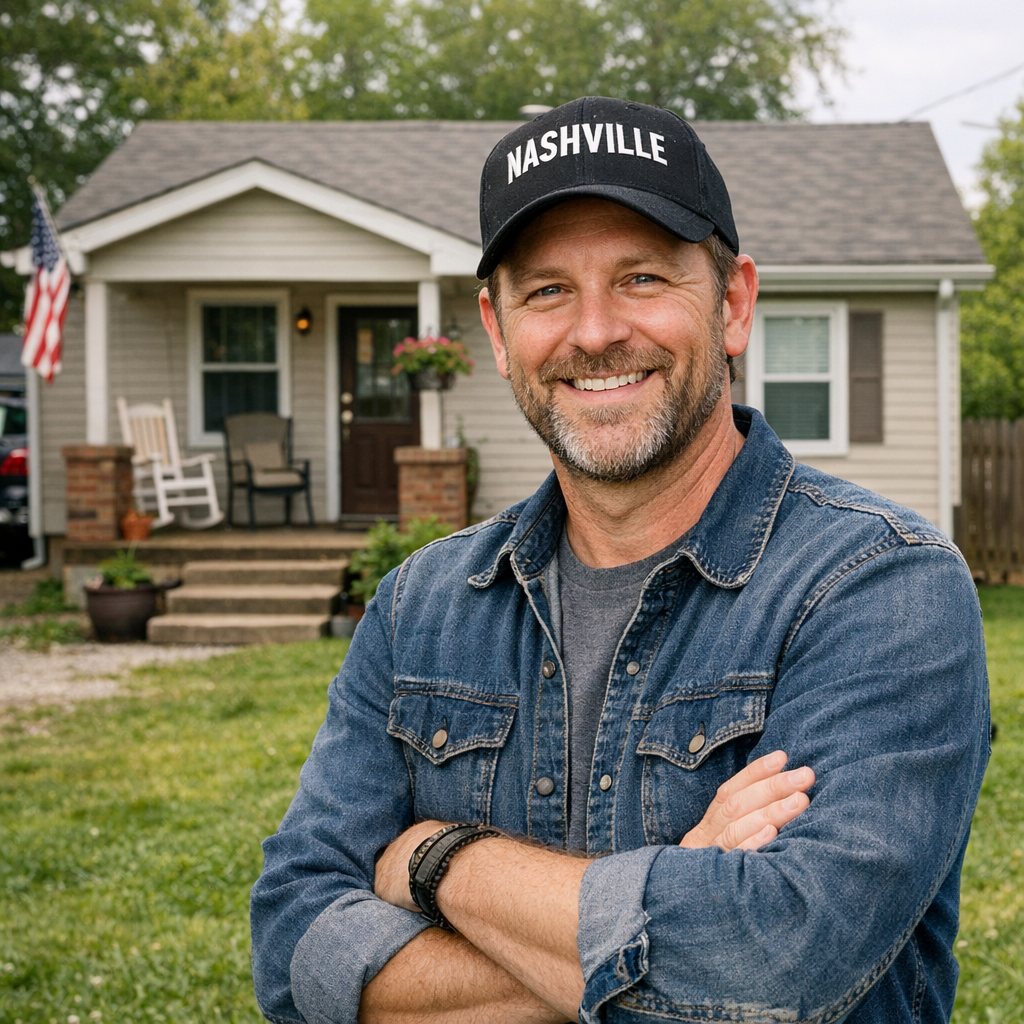
By William Lopez
At Home, Half a Paycheck
Three years ago, I met Marie, a school cafeteria worker. After 15 years in her East Nashville apartment, she spends nearly 50% of her take-home pay on rent. She used to manage bills by cutting back on groceries, skipping doctor appointments, giving up cable. Now, she’s wondering whether she’ll stay in the area where she’s rooted.
Marie is not alone. According to Nashville’s Unified Housing Strategy, in 2023 nearly half of renters paid more than 30% of their income toward housing. Cost bur- den rises sharply among single-parent and minority households. The deeper the community listens, the clearer one message comes through: safe, stable housing is no longer guaranteed for many.
Barriers Beyond Rent
Beyond the monthly check, other walls stand in the way. Former evictions, minor criminal records, lack of stable income, or not enough available affordable units—all show up in conversations and in official plans. Veterans, youth leaving foster care, those with disabilities: for many, these challenges overlap, turning housing into a maze of hurdles.
The city’s zoning and infrastructure policies also shape availability. Neighborhoods once affordable are now priced out by new development. Many areas near transit lack housing types that are truly affordable, while strict zoning outside downtown limits what can be built.
Community Stories: Echoes and Exchanges
Over the last year, in meetings and front-porch conversations, I heard from folks like Leroy, who dreams of staying near his family in East Nashville but watches increasing property taxes and rising maintenance costs pushing renters out. From young teachers combining rooms just so they can afford a place; from immigrant families for whom language barriers make applying for subsidies nearly impossible.
These stories paint a portrait of persistent anxiety and longing: anxiety about being priced out of neighborhoods where roots run deep; longing for a sense of permanence, of being able to plan without fear.
Where Hope Finds a Foundation
Thankfully, there are places building bridges. The city’s unified housing roadmap includes community-led strategies, public and nonprofit partnerships, and infrastructure planning. Investments near transit corridors, regulatory shifts to allow more housing types, and supports for those most at risk are part of the plan.
This isn’t just policy-speak; for Marie, Leroy, and many others, these moves mean the difference between scrambling each month and having a place that feels like home. The Affordable Housing Strategy isn’t magic, and won’t erase every obstacle overnight—but it shows what happens when community voices are the blueprint.
Voices as Catalyst
If there’s one thread running through every story, it’s this: people want to stay. They cherish schools, neighbors, the feel of home. Nashville is growing fast, and growth feels good in many ways—but only if we grow together.
We can support change by listening to community meetings, voting for leaders who prioritize affordable housing, donating to nonprofit housing efforts, and sharing stories so the policy isn’t abstract—it’s our lives.
I believe we’re at a moment when Nashville can choose whether its warmth is measured only in attics and rents, or in shared possibility.