

By Emma Johnson
Climate diplomacy is evolving. While traditional multilateral frameworks face increasingly complex global pressures, a shift toward implementation-focused, cross-sector collaborations is reshaping how nations address climate change.
From Declarations to Deliverables
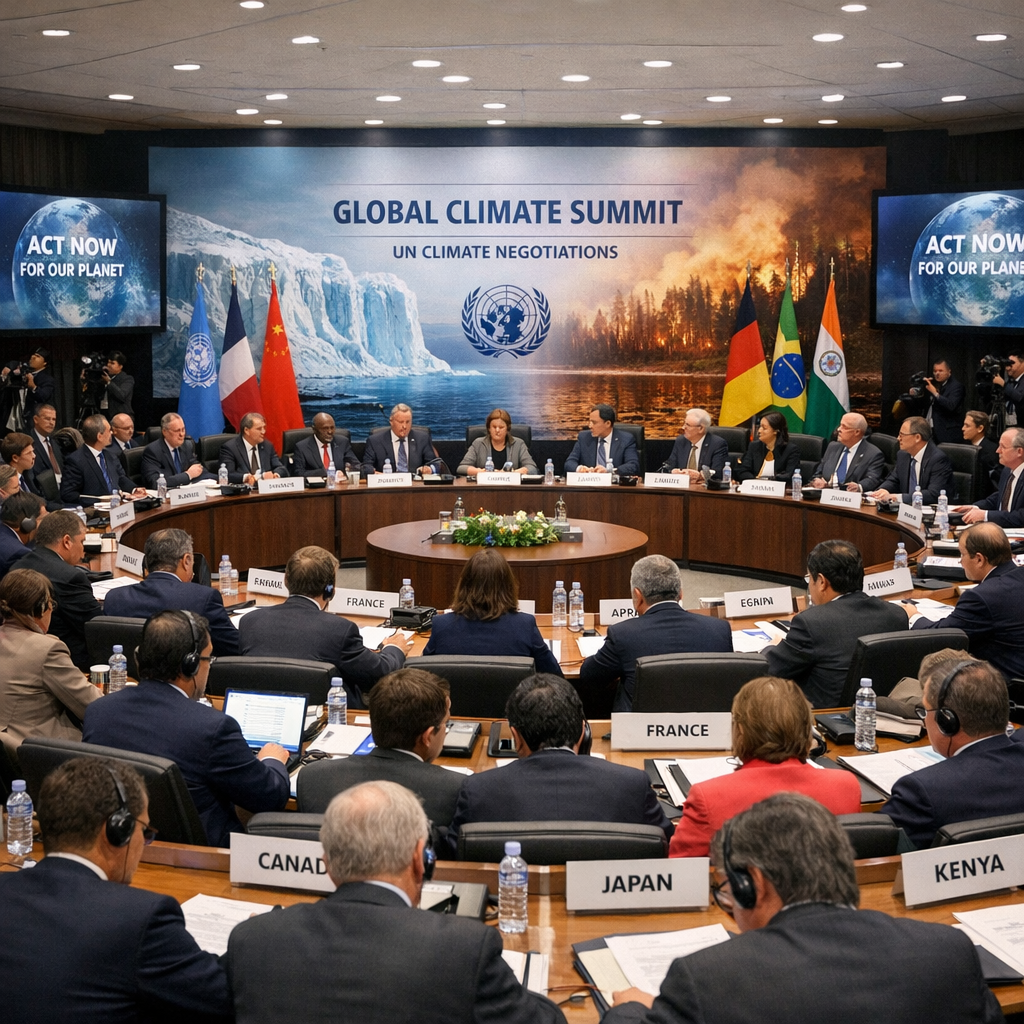
Recent international gatherings have highlighted a growing demand for climate commitments that translate into concrete actions. Negotiators at UN climate talks in Bonn grappled with debates over emissions targets and funding for adaptation, revealing both the urgency and the challenges of moving beyond aspirational goals. Observers noted that trust among nations is strained when financial mechanisms lag and poorer countries struggle to adapt. But even amid this standoff, progress has been registered: efforts toward creating mechanisms that support a just transition—where workers and communities most affected by decarbonization are not left behind—have gained traction.
Coalitions Where They Work
As traditional channels like COP summits face gridlocks, a proliferation of smaller, issue-specific coalitions is proving more agile. These collaborative efforts—spanning governments, cities, civil society, investors, and businesses—are increasingly setting standards, accelerating clean energy deployment, and targeting emissions in sectors like transport, buildings, and industry. Such partnerships aren’t replacing formal agreements but complementing them, allowing for experimentation, pilot projects, and rapid scaling of refined solutions.
Climate as Security, Not Just Environment
One of the most significant reframings in climate diplomacy is how climate challenges are now understood in relation to global security. Rising sea levels, intensified storms, and water scarcity are no longer seen purely as environmental issues; they are drivers of displacement, conflict, and economic disruption. With energy transitions intersecting with energy security, and biodiversity loss tied to national resilience, governments are revising their analyses: climate policy is becoming integral to national security plans.
Why It Matters in Nashville and Beyond
For communities like ours, thousands of miles from global capitals, these shifts matter. New climate diplomacy shapes international trade, energy prices, and even migration flows. When city planners, local businesses, or nonprofit groups engage in sustainability efforts, they’re playing their part in global momentum. And when national policies respond to these international currents—through infrastructure investment, disaster risk planning, or equitable transition policies—local lives are affected.
Looking Ahead
To remain effective, climate diplomacy must balance urgency with equity and adaptability. Closed-door declarations won’t carry as much weight as well-funded solutions that reach the places with least capacity. As diplomatic forums adapt to a less ordered world, coalitions of the willing, practical partnerships, and climate-smart security strategies may well define how—and whether—the planet’s future is secured.