

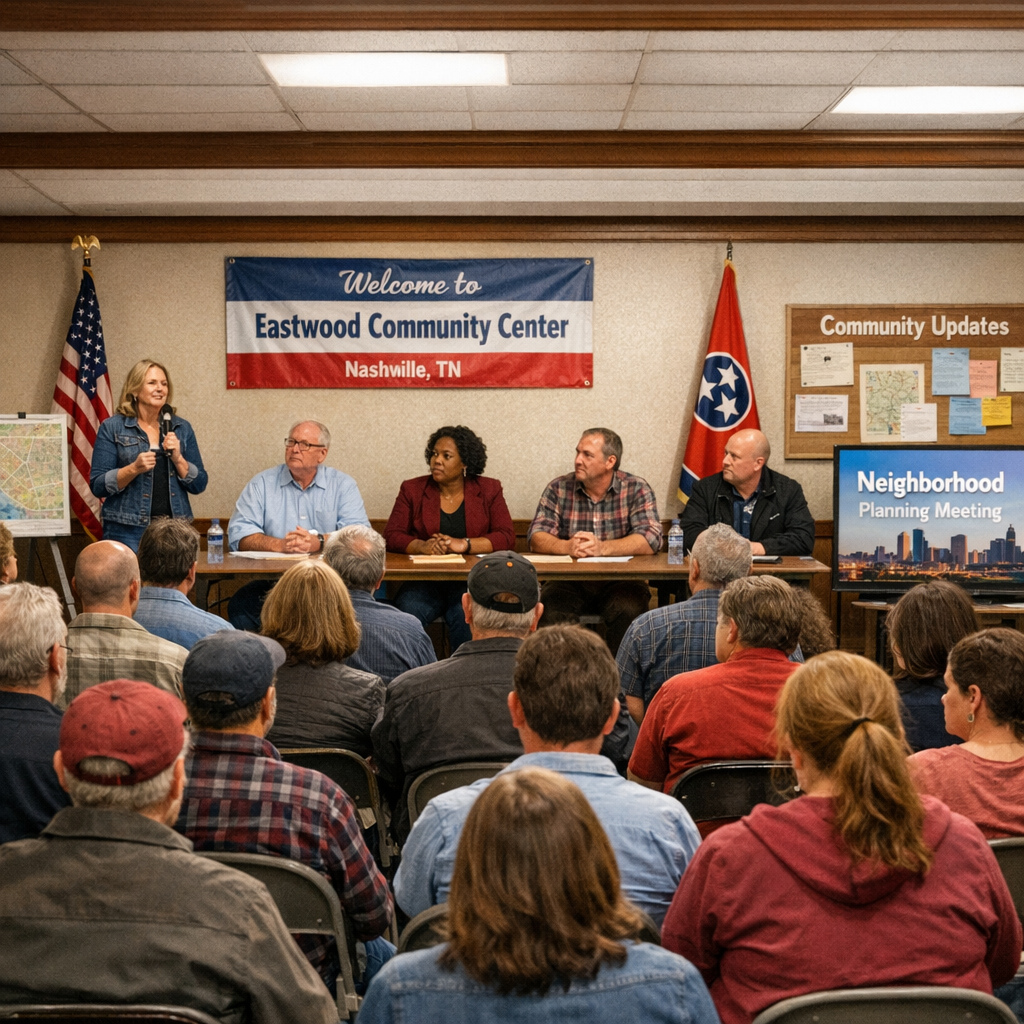
My name is William Lopez, and like many Nashvillians, I’ve seen the housing conversation circle from rally halls to planning commission meetings. We’re not short on words or concern—what’s missing is enough of *us* at the table.
The gap between plans and people
The city has recently adopted the Unified Housing Strategy (UHS), which sets out bold goals: build more affordable units, preserve existing ones, support homeownership, and improve stability for renters. Metro housing officials also maintain an “Affordable Housing Dashboard” and recognize seven key strategies—from alignment of the housing ecosystem to improving stability. Yet, even with these in place, 82% of Nashville residents report they can’t afford to buy a home in Davidson County. The numbers are stark: many renters spend over 30% of their income on housing, some far more.
These are more than metrics—they’re the everyday realities that don’t show up in many official documents.
What everyday Nashvillians face
Imagine being priced out of your neighborhood because you get bumped by rising property values. Think of balancing school access, long commutes, or being forced from your home following an eviction—not just for missed rent, but due to bureaucratic hurdles like criminal history, lack of documentation, or simply no phone to get important notices. These aren’t edge cases. They come up in Metro’s Housing & Infrastructure Study, the MDHA’s Action Plan, and the Summit Series on housing barriers.
Even if policies exist, if they don’t reflect what people are actually up against, they fall short.
How our voices shape better solutions
When people speak, real change can follow:
• In UHS planning sessions in summer 2024, resident input shifted priorities—focusing preservation and landlord supports more than top-down construction.
• In the MDHA Action Plan, conversations revealed that we need more than just affordable units—we need support for people aging out of foster care, veterans, those with records, and others facing systemic barriers.
• The Summit Series found that costs like water hookup fees, utility activation, and high developer fees weren’t just academic problems—they affect whether an affordable home ever gets built.
We can all be more than bystanders
Here’s how you can share your voice:
- Attend Metro council and planning commission meetings—when people show up, policy reflects more experience.
- Join community listening sessions for UHS or MDHA—in those rooms, your insights about real obstacles get recorded.
- Work with neighborhood associations, tenant unions, civic organizations—connecting your story with others helps spotlight shared struggle.
- Support elected officials and city staff who push for affordable housing, but don’t stop there—ask them what they’ll *do* with all the feedback.
- Share what you know—about your neighborhood, your budget, your fears. Organize stories, collect data informally. There’s power in numbers.
Affordability built with us, not for us
None of the plans, studies, or policies shine if Nashvillians aren’t heard. The walls of City Hall, the pages of reports, even the dashboards—they need our voices carved into them. When affordability strategies truly reflect lived experience—renters who skip meals, hopeful buyers priced out, grandparents caring for grandchildren—it’s not idealistic. It’s essential.
Let’s make sure every Nashvillian, regardless of zip code or income, is part of the conversation. Because when the people who are most impacted speak up, the city starts to work better—for all of us.