

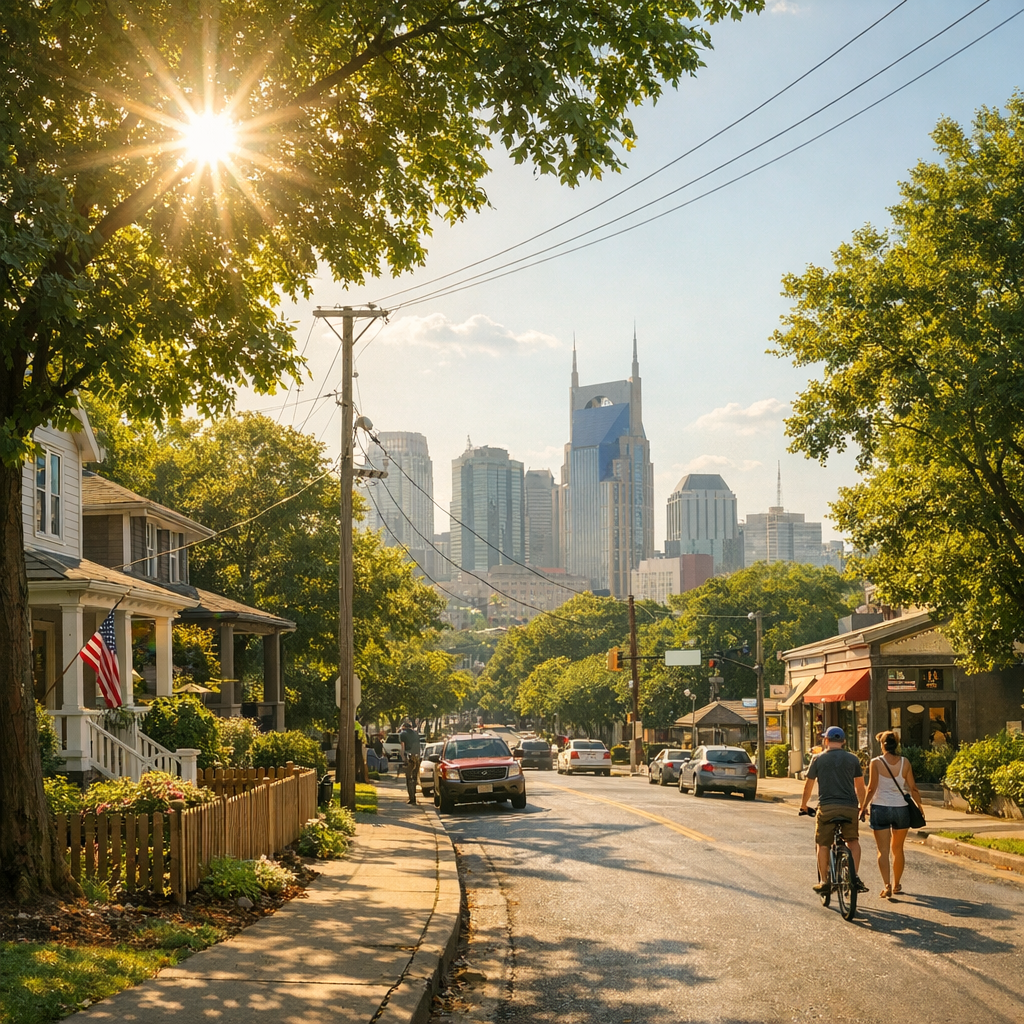
It’s no secret that Nashville’s weather isn’t what it used to be. Rising temperatures, shifting seasons, and stronger storms are now part of our local story. Understanding these changes helps us stay better prepared—whether you garden, commute, or just want to breathe easy.
Warming Trends and Changing Seasons
Over recent decades, Nashville has seen consistent warming. Average summer highs have crept up in the past 50 years, and winters are noticeably milder. Frost days—those days when temperatures drop at or below freezing—have dropped significantly. Meanwhile, growing seasons are now over a month longer than they used to be. All told, average annual temperature is rising at a rate of about 0.3 °C per decade.
Hotter Summertime: Heat, Humidity, and Heat Stress
Hot days are getting hotter—and more frequent. Middle Tennessee has already recorded many more days over 90 °F lately than in past decades. And when heat combines with humidity, our bodies don’t cool off well, increasing risks of heat stress, especially for outdoor workers, older adults, and people without efficient cooling.
Shifts in Spring: Allergies, Wildfire Risk, Planting Cycles
Warmer spring temperatures have brought earlier blooms—and longer allergy seasons. Plants are greening sooner, which sounds nice but also means more pollen earlier. Drier spells that once came later are creeping in earlier in the year, too, nudging wildfire risk higher than it used to be.
Storms, Flooding, and Extreme Weather Events
Heavier rains are arriving more often. The frequency of intense storms—and the risks that come with them like flash flooding—are climbing. Our infrastructure, waterways, and neighborhoods are more exposed to storm damage and drainage issues.
Heat Mapping, Resilience, and What You Can Do
The city’s working on mapping heat hotspots and vulnerable neighborhoods to guide where to add green shade, improve cooling access, and adjust building designs. Nashville’s 2024 Climate Adaptation and Resilience Plan lays out strategy for building resilience—emphasizing equity, better infrastructure, and community preparedness.
How to Stay Ready
- Pay attention to heat advisories—stay hydrated, avoid intense outdoor activity during peak afternoon heat.
- Plant native trees or support tree canopy projects—shade reduces localized heat.
- Maintain landscaping with care—early pruning and clearing debris can reduce wildfire risk.
- Improve drainage around your home—gutters, rain barrels, and landscaping tweaks help reduce flood damage.
- Watch allergy forecasts and use preventive care early in spring.
These shifts are gradual yet impactful. They affect planting schedules, health, utility bills, and even what our seasons feel like. But we adapt best when we understand our changing climate—and act together.
By Mason Martinez. If you’d like to see certain questions addressed—say, about local air quality data or heat relief programs—let me know and I’ll look into them next.