

By Ethan Martinez
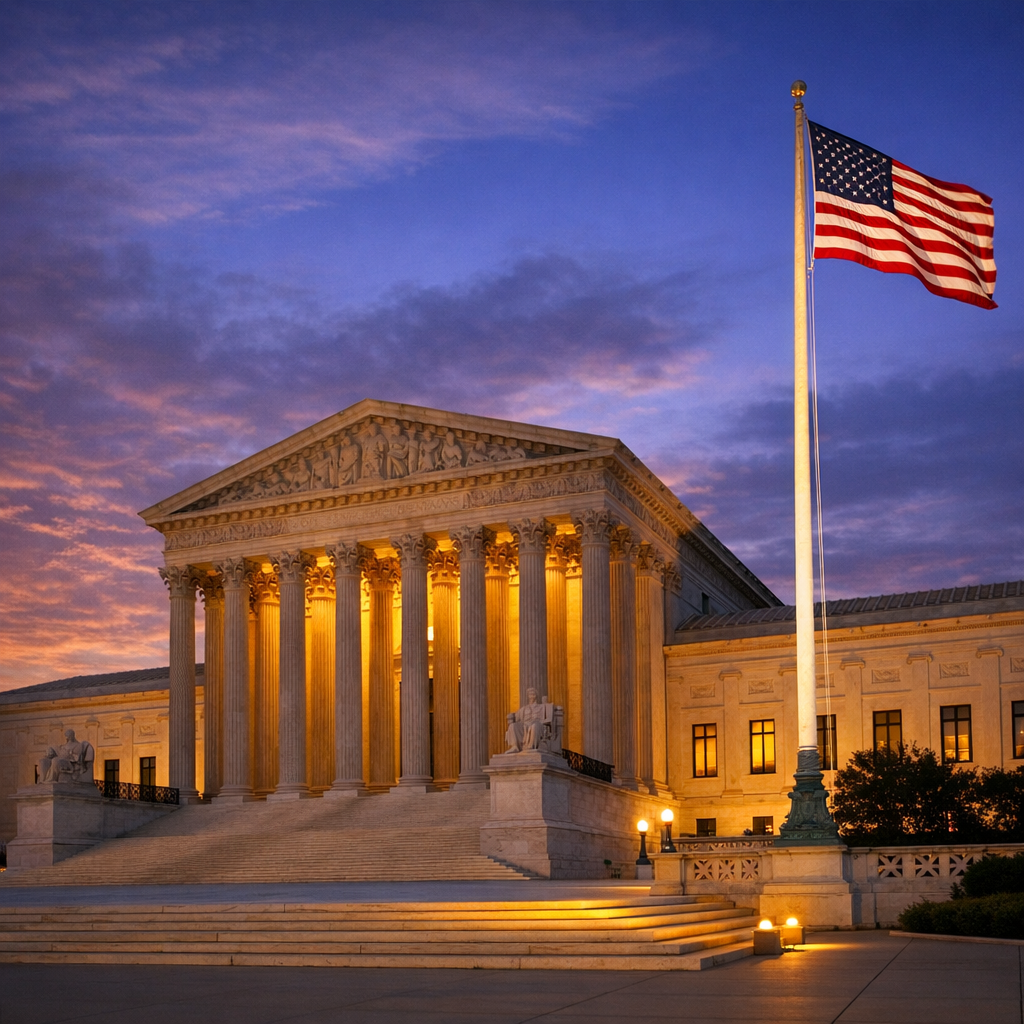
In recent months, the U.S. Supreme Court issued several landmark decisions that both reinforce and limit presidential authority, while reshaping civil rights protections in key areas. These rulings continue to spark debate about the balance of power in Washington, the role of federal agencies, and the legal rights of marginalized communities.
Expanding Executive Control, Shrinking Oversight
One of the most consequential outcomes was a ruling that grants the president greater power to remove leaders of independent regulatory agencies at will. This decision strengthens executive control over federal bodies that had previously operated with higher levels of autonomy, affecting how regulations may now be enforced or adjusted.
At the same time, some of the Court’s rulings rejected sweeping presidential initiatives. For example, proposals to restrict birthright citizenship and impose broad tariff authority were struck down or scaled back—signaling there are still legal limits on presidential reach even under the current Court’s conservative majority.
Shifts in Civil Rights and Voting Protections
The Court also tackled several contentious civil rights issues. Long-standing protections under the Voting Rights Act were weakened in rulings concerning criminal disenfranchisement and access to the ballot. At the same time, the Court narrowed certain legal standards for immigration and refugee status, affecting how federal authorities handle asylum and related designations.
These civil rights decisions show that while the president has gained authority over portions of the executive branch, the Court continues to push back on efforts that aim to alter rights or legal status based on citizenship, race, or immigration status.
What This Means for the Country—and Tennessee
For everyday Americans, these decisions could mean federal agencies change how they enforce rules, especially in healthcare, finance, and environmental protection. Independent agencies are likely to see leadership more aligned with executive priorities, with less protection for regulatory independence.
For Tennessee and other states, the rulings could impact how voting laws are evaluated and implemented. Changes to federal oversight mean state legislatures and courts may have more leeway in setting rules for elections, disenfranchisement, and immigration enforcement.
Navigating Accountability in a Polarized Era
Perhaps most importantly, these Supreme Court decisions underscore how political polarization is shaping remits of both branches of government. As executive power grows in certain areas and civil rights protections are shifted or reduced, calls for oversight—by Congress, courts, and civil society—are stronger than ever.
In Tennessee, as elsewhere, voters and lawmakers alike should pay close attention to how local policies and laws align with—or stretch—the boundaries set by Washington. The coming months may see litigation, legislative proposals, and local advocacy that test the durability of these new limits and authorities.