

By Sophia Anderson
Home Values Are Slightly Down, Giving Buyers New Leverage
After years of steep increases, Nashville’s typical home value has dropped about 3% over the past year. Homes that once flew off the market in weeks are now lingering longer, providing buyers more time to evaluate and negotiate. Sellers are adjusting strategies—some offering closing cost help or other concessions to seal the deal. If you’ve been waiting for a chance to buy, this shift could help you catch a break.
Rentals: High Costs, Softening Pressure
Rent in Nashville remains high compared to many U.S. metro areas, but the recent trend shows small downward movement. Average rents are slightly below national averages, and while apartment vacancy rates rose, the demand for single-family rentals is holding more firm. For renters, this means more options—especially outside the most in-demand inner neighborhoods—and a bit more room for your budget.
Inventory and Supply: Progress and Pauses
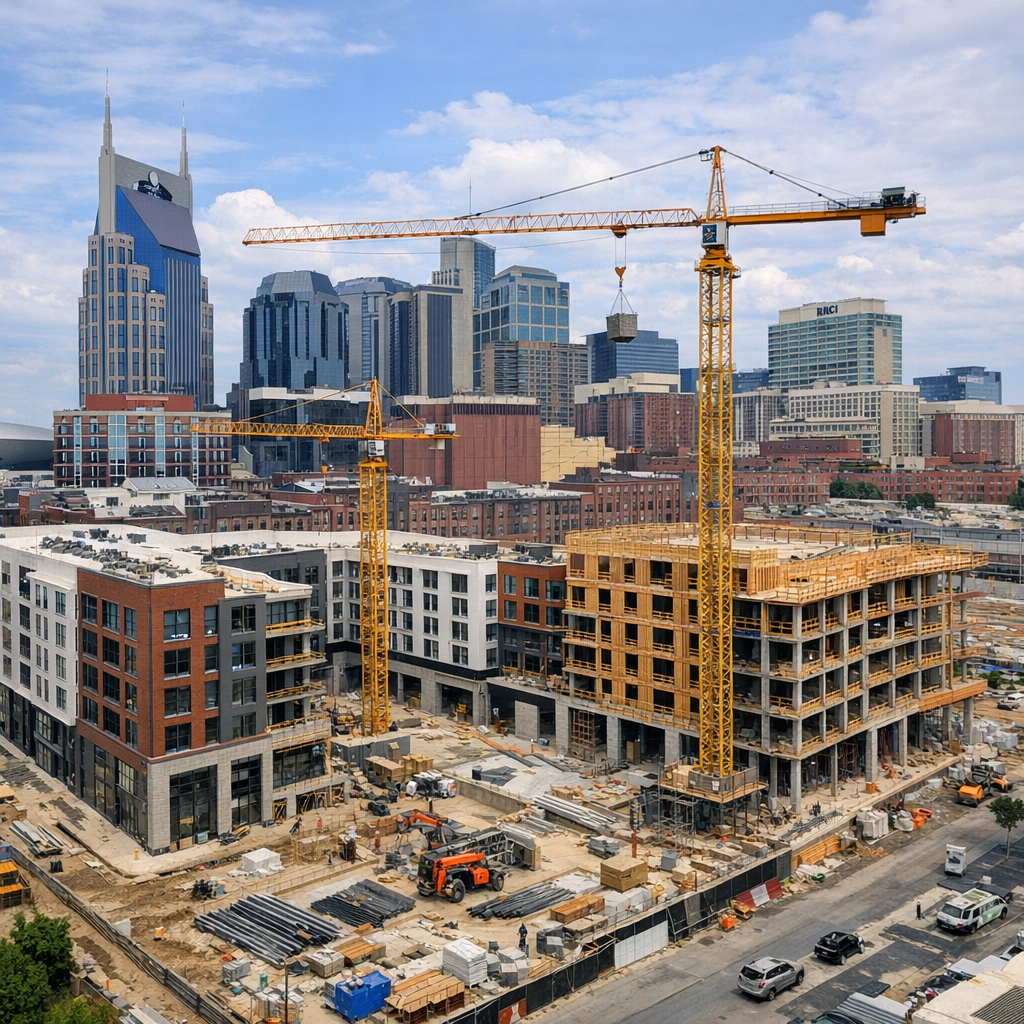
New home listings have increased modestly, and buyers now often find more homes on the market than they saw last year. But construction is cooling: fewer new residential starts, and many projects stretching out in timeline. Still, large mixed-use developments—especially in redevelopment zones—are pushing forward with infrastructure and affordable units built in.
Major Local Projects Reshaping the Landscape
The East Bank waterfront continues its transformation, with efforts underway to build a mixed-use district that includes housing, retail, a stadium expansion, and a new arts center. Meanwhile, the MDHA’s PILOT program is working on more than 600 affordable housing units under construction, and over 11,000 units supported over the last decade, signaling strong public-private investment in affordability across Davidson County.
What Buyers, Renters & Developers Should Focus On
For Buyers
- Line up a mortgage pre-approval early—rates may fluctuate, but commitment often attracts more favorable terms.
- Neighborhood selection matters: high-demand inner areas still move faster and carry higher premiums; outskirts offer comparatively better negotiation room.
- Think long term. A home purchase makes more sense if you plan to stay for several years, given the upfront costs and potential market fluctuations.
For Renters
- Explore neighborhoods beyond the core—rent decreases and increased listing activity have given more choices suburban-wise.
- Allow extra time for comparisons: with more listings, you can prioritize quality over urgency.
- Watch for affordable housing opportunities, especially in developments tied to public incentives or PILOT programs.
For Developers
- Projects that combine mixed uses—including affordable housing and public amenities—are gaining traction.
- Public infrastructure investments, like transit or park space, are increasingly central to what local government supports.
- Monitor zoning and regulatory changes—land‐use debates (for instance around data centers or TOD corridors) are active and can shift rapidly.