

Hi — I’m Emma Johnson, bringing you a look at global developments that might seem far away, but are closer to home than we often realize. From changing seas to health threats, here’s a look at three major global stories that intersect with life even here in Nashville.
Warming Oceans, Waning Ecosystems
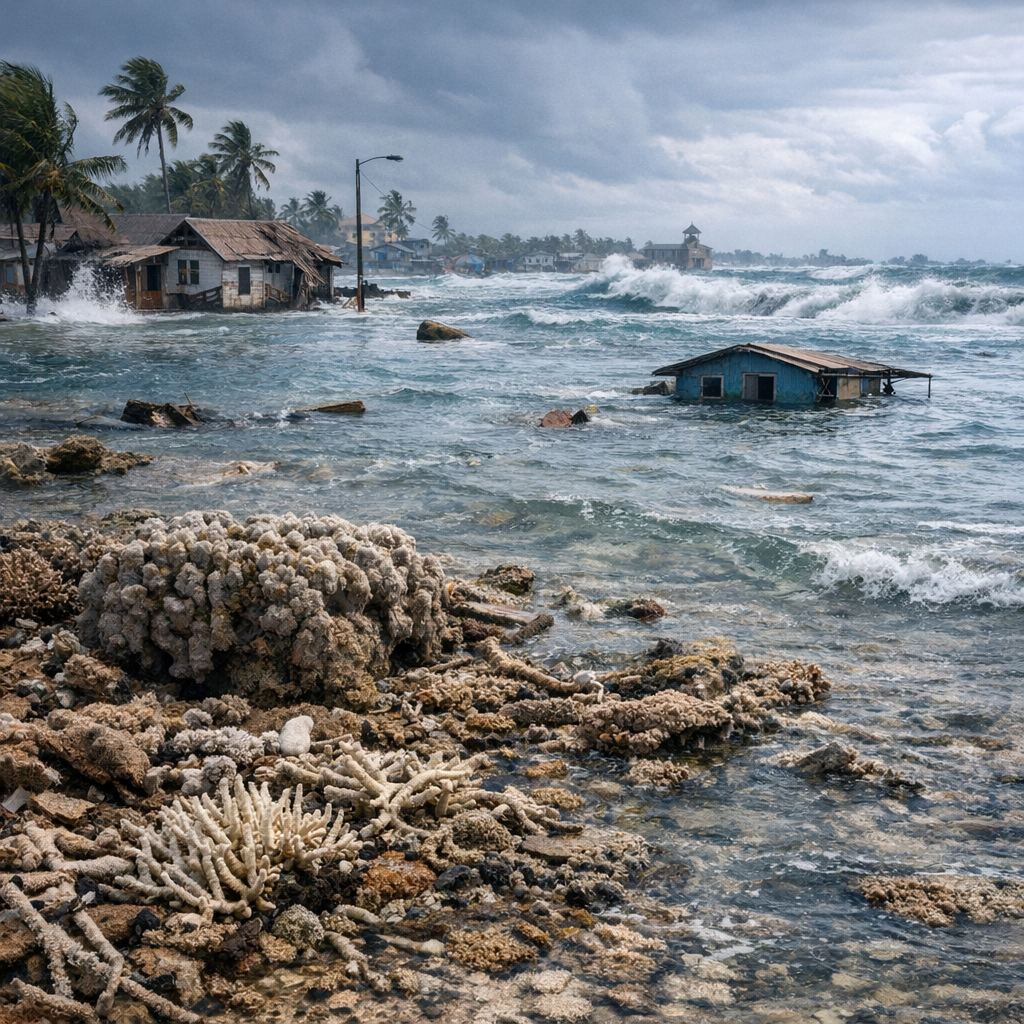
Earth’s oceans have absorbed most of the excess heat caused by rising greenhouse gas emissions. That warming sets off a chain of environmental responses — melting ice caps, accelerating sea-levels, marine heatwaves, and acidification. These all contribute to habitat loss for coral reefs and mangroves, shift marine species toward cooler waters, and weaken the food systems of coastal populations.
The number is striking: nearly 680 million people live in low-lying coastal areas, and for nearly half the world’s population—3.3 billion people—fish are a primary protein source. These changes will ripple out, affecting climate patterns, trade, and migration in ways that won’t spare landlocked regions like ours.
Scientific authorities agree: without urgent action, many coastal ecosystems may be lost or damaged beyond recovery.
Malaria Resurgence Hearts a Looming Crisis
After years of progress, the fight against malaria is seeing troubling headwinds. Latest global data showed nearly 282 million malaria cases and around 610,000 deaths in 2024 — an increase over the previous year. And, in multiple countries in Africa, artemisinin-based treatments (a primary treatment method) are beginning to lose effectiveness due to emerging drug resistance.
This isn’t only a concern for nations with tropical climates. The rise in international travel, movement of displaced populations, and weakening of global surveillance are potential amplifiers. It underscores the need for resilient public health systems — Nashville’s included.
Sea-Level Rise Isn’t Waiting
Global mean sea levels have been rising, with significant acceleration in recent years. Coastal cities and islands — both densely populated and economically vital — face increasing risks from flooding, storm surge, erosion, salt intrusion, and loss of land. For families living in these zones, displacement isn’t just a future threat; for some, it’s a lived reality.
These changes also affect the global economy: ports, seafood supplies, tourism — areas we may not directly interact with day to day — all interconnect with global trade and supply chains. Nashville, as a transport hub, relies on these networks. Disruption there can raise costs or disrupt supply for everything from fresh produce to imported goods.
What We Can Keep in Mind in Nashville
- Support or advocate for climate-smart policies — especially if they lessen transportation emissions or conserve local green space. Every bit helps reduce transitions in global patterns.
- Stay informed about healthcare funding and research — emerging diseases aren’t always predictable. Ensuring local public health infrastructure stays robust matters for prevention and response.
- Think globally in your purchasing — seafood sustainability, fair labor practices, and supply chains matter. As consumers, we send signals that can shift market behavior.
- Support organizations working on climate justice and environmental resilience — often these are also groups helping communities impacted by climate events and health threats abroad.
While these global stories unfold, they remind us how interconnected our world is—and how actions here echo across oceans and borders. Nashville may be far from the rising seas and mosquito-ridden zones, but we’re tied into these changes whether we like it or not.