

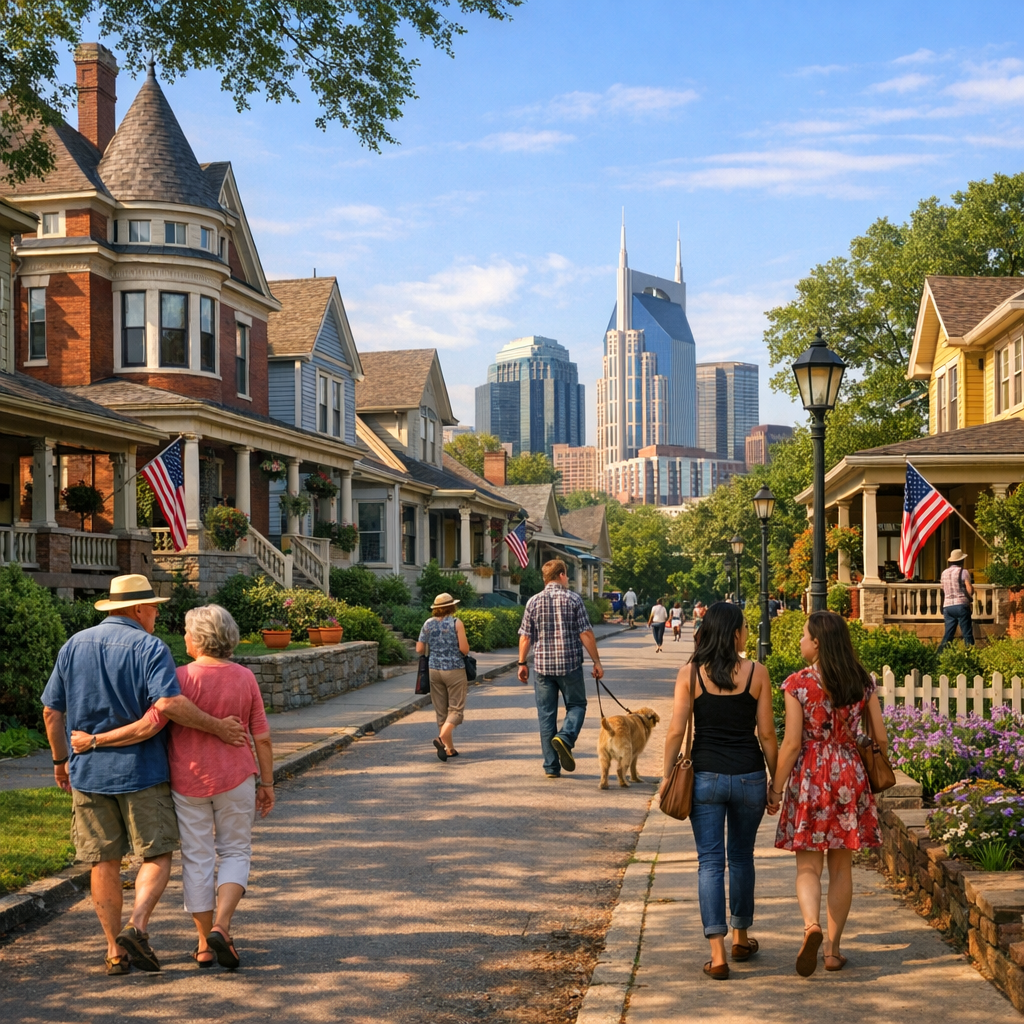
My name is William Lopez. I’ve walked past shuttered homes, seen for-sale signs where discount groceries used to be, felt the pinch of rent that eats at every paycheck. Nashville isn’t just growing anymore—it’s shifting, and not always in ways that feel welcoming to everyone.
Homelessness isn’t a new story
Old Tent City was more than a space—it was a signal, an urgent marker of how—and who—Nashville cares about. When it was cleared, many of us expected the problem to disappear. It didn’t. It simply spread out, out of sight, into emergency rooms, into backyards, into neighborhoods that don’t want to talk about it. Removing tent encampments without building affordable, transitional housing isn’t solving homelessness—it’s shifting it. People are still here, still visible, still in need.
Affordability for some, exclusion for others
The annual Community Needs Evaluation Report lays bare what many of us feel: for Black Nashvillians, affordability isn’t just hard, it’s nearly impossible. Lower homeownership rates, rising rents, and systemic policies make “getting ahead” sound like a luxury. Around the same time, more and more residents—renters and homeowners—feel squeezed, unsure if they’ll be priced out of the places they’ve called home for years.
Whose neighborhood is it?
Every construction crane that lifts into the sky threatens to leave someone below wondering if there’s still room for them. Grand plans and big investments are reshaping Nashville’s blocks, but affordability often gets treated as an afterthought. Multifamily units are proposed; dense zoning gets debated. By the time decisions reach local neighborhoods, residents feel unheard. Sometimes, change seems written by those who won’t stay in the places they remake.
Still, there’s hope if people are heard
I’ve been to council meetings where hundreds wait to speak out against data centers near Fisk University—moments where collective voices force their way into the future. I’ve also witnessed local leaders, neighbors, and small business owners fighting not just for profit, but for dignity. Because at its best, community isn’t what developers build—it’s what ordinary people insist stays.
What we can do, together
- Support policies that preserve housing for longtime residents: rent control, property tax relief, inclusive zoning.
- Demand transparency: when new developments are proposed, when public land is re-zoned, when tax incentives are given—residents deserve to know.
- Lift up legacy businesses: small shops, family-owned restaurants, cultural landmarks—these anchor neighborhoods.
- Foster neighbor-to-neighbor connections: checking in, walking together, building safe public spaces.
Nashville is not just a market—or a brand. It’s our homes, our families, our stories. If we let affordability slip away, we risk letting the heart of this city slip away too.