

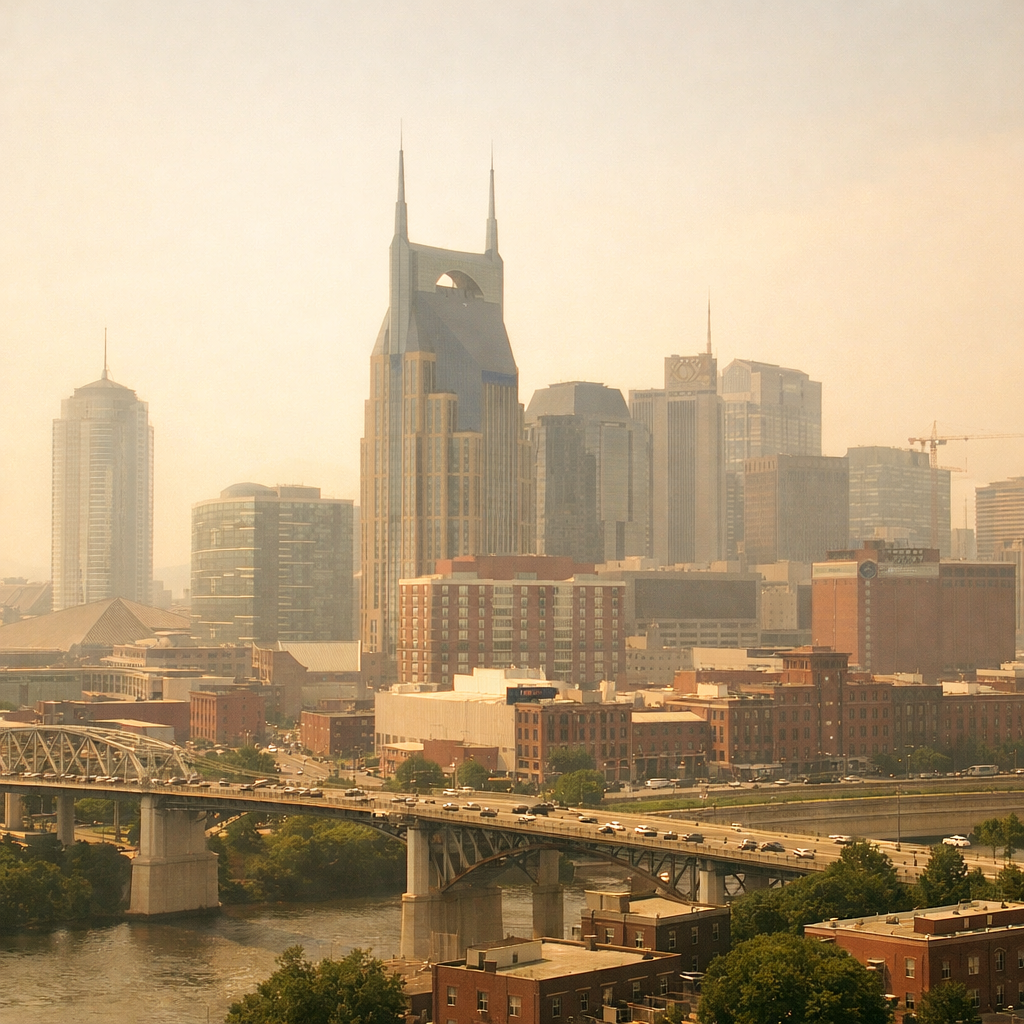
Hey, Nashville — Mason Martinez here. I want to walk you through some of the slower-moving changes in our weather and environment that are already being felt in our city. These aren’t flash-in-the-pan disasters, but gradual shifts affecting what we plant, how we stay cool, and how we manage risks from storms and heat.
What Nashville’s Climate Looks Like Now
Our city sits solidly in a humid subtropical zone. Annual average temperatures hover around 60–62°F, and we get over 50 inches of rain per year. Snowfalls are minimal except for occasional winter surprises. The heaviest downpours usually land in spring and early summer, though precipitation is fairly well distributed across the months.
Shifts We’re Seeing: Gradual But Meaningful
Warmer Winters, Hotter Nights
Winter temperatures have been creeping up. Data show that average winter (Dec–Feb) temps have risen by several degrees over the past few decades. We’re also seeing fewer nights where temps dip below freezing. It’s not all bad—less snow but more unpredictability when cold snaps do roll through.
More Intense Heat Waves
The number of extreme heat days—when highs push well above 90°F—has increased. Humidity makes a tough situation worse. Nights stay warm too, which limits relief. These conditions strain energy systems, public health services, and even water demand.
Changing Rainfall Patterns & Storm Risks
While annual rainfall totals haven’t always spiked dramatically, there are more frequent heavy rain events. That means more flash flooding, especially in parts of Nashville that rely on older stormwater systems. And paradoxically, when heavy rains aren’t happening, we can face dry spells. These swings make planning harder for everything from landscaping to managing river levels.
Why It All Matters—For Us and for Nature
These shifts aren’t evenly felt. Low-income neighborhoods with fewer trees and more concrete absorb more heat. Folks without reliable cooling options bear the brunt of extreme weather. On the natural side, plant species that rely on cold periods may struggle. Native aquatic wildlife also face stress as waterways warm or flood more often.
What Nashville Is Doing—and What You Can Do
Metro Nashville has been working on its Climate Adaptation and Resilience Plan, targeting heat, flooding, infrastructure, and equity. Initiatives like Green and Complete Streets aim to bring more shade, better water absorption, and safer transit.
As residents, there’s plenty we can do too: plant shade trees, support native plants that handle heat and drought well, track stormwater runoff, and keep tabs on air quality (especially during heat spells). That mix of community action plus city planning is what will help Nashville stay livable even as conditions change.
Looking Ahead
If trends hold, we’re likely to see warmer, more humid summers; fewer cold nights in winter; more intense downpours; and stress on both human and natural systems. But it’s not too late to lean into resilience—through good design, smart trees, and shared efforts, Nashville can shape the kind of climate future we want.