

By Noah Davis
Nashville’s local economy is at a crossroads. On one hand, small businesses—restaurants, music venues, retailers—remain essential to the city’s identity and employment. On the other, many are feeling squeezed by soaring property taxes, labor gaps, and rising operating costs. These challenges are real, but so are the efforts underway to keep Main Street thriving.
Property Taxes on the Rise
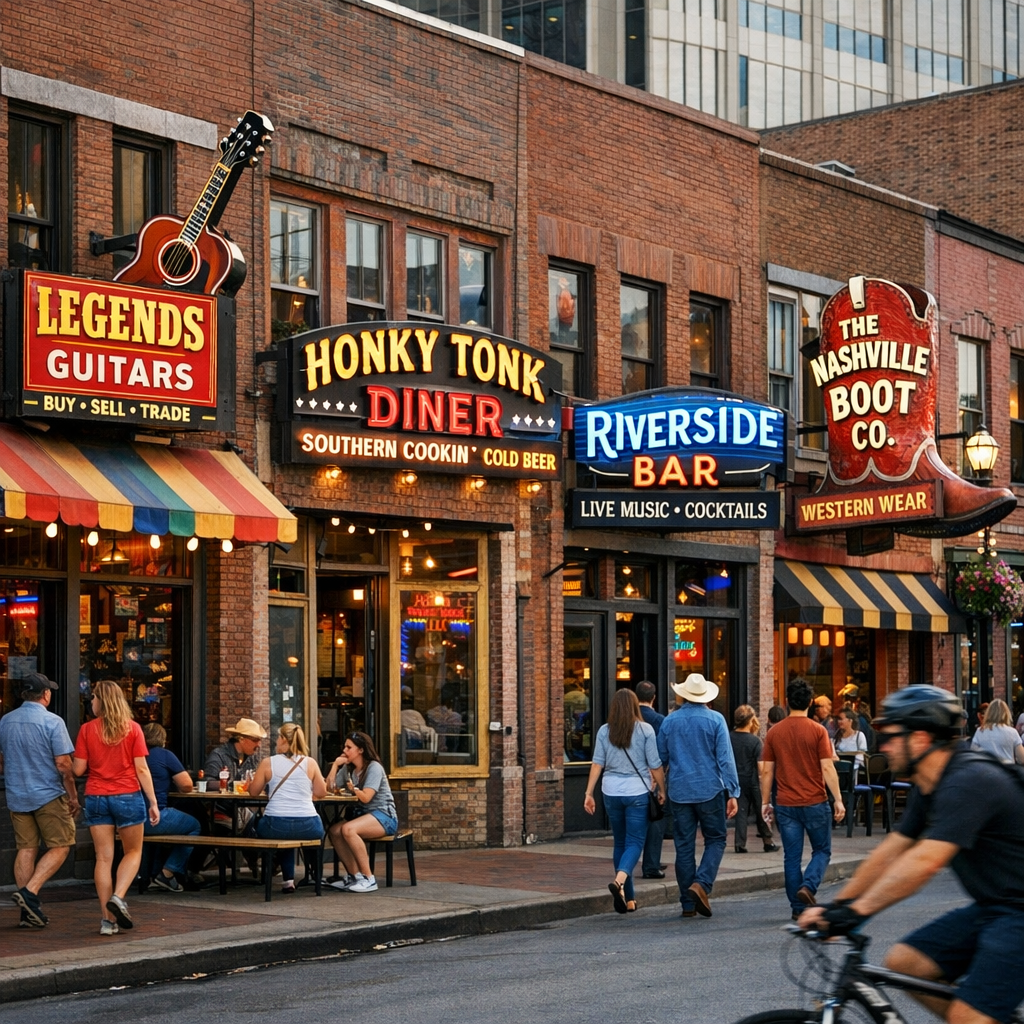
One of the most urgent challenges comes from property tax reassessments. Independent businesses in entertainment districts like Broadway and Lower Broad have seen their tax bills jump by three- to four-fold in recent years. Venues that were paying under $200,000 annually are now facing demands close to half a million dollars—or more—and some are warning they may have to close down if relief doesn’t come.
This tax pressure is putting proprietors, especially in music and hospitality, at risk—and it’s igniting advocacy efforts both locally and at the state level to create relief or reform. Nashville has already seen growing coalitions of business owners demanding that local government leverage existing tools to mitigate these burdens.
Labor Shortages and Cost of Doing Business
Alongside taxes, a tight labor market continues to pose a major challenge for small enterprises. Finding staff—with competitive wages, training, and the flexibility employees seek—has become increasingly difficult in sectors like food, entertainment, and retail.
Costs beyond staffing—such as rent, utilities, input materials, and insurance—are also rising. Small businesses often lack the capital or scale to absorb these increases quietly, forcing difficult decisions around pricing, hours, or even whether to stay open.
Employment Trends and Sector Shifts</
Despite these pressures, Nashville’s labor market metrics remain relatively strong. The metro area has one of the country’s lower unemployment rates—hovering around 3 percent—though many jobs are concentrated in leisure, hospitality, education, and health. Expected job growth in sectors like hospitality is offering opportunity, but uneven across neighborhoods and industries.
Programs Aimed at Strengthening Local Business
Recognizing these pressures, city leaders have launched several initiatives designed to help small businesses stay afloat and grow. Programs include grants and incentives for long-operating “legacy businesses,” expanded eligibility for property improvement subsidies, and workforce development efforts to support hiring and training.
For example, firms that have been in Nashville for 15 years or more may now qualify for funding to modernize operations. Meanwhile, the threshold for qualifying commercial properties for improvement programs has been raised, and interior work—adding operational value—is now included under several incentive schemes.
A Path Forward
For local business owners, staying flexible and connecting with support resources is essential. In many cases, business mentorship, debt assistance, and navigating tax exemptions or grants can make a difference.
Community organizations, chambers, and neighborhood groups are playing a critical role, both in advocating for fairness and helping distribute information about aid programs.
While nothing has resolved all the pressures, the blend of public policy adjustments and grassroots action suggests that Nashville is taking seriously the need to balance growth with preservation—making sure that the restaurants, shops, and venues that give our city character can continue to be part of its future.