

By Logan Clark
In Nashville, the intersections of art, music, and festival culture are more than seasonal highlights—they’re essential threads in the fabric of our city. From the murals that line our streets, to the stages that spotlight emerging voices, the creative pulse of Music City beats everywhere. Let’s explore the enduring features that make Nashville a cultural ecosystem worth recognizing and preserving.
Public Art & Visual Landmarks
Nashville is home to more than 200 permanent public art installations spread across Davidson County, thanks to Metro Arts. From libraries and parks to transportation infrastructure and community centers, these artworks aren’t just décor—they reflect ongoing dialogues between artists and neighborhoods, raising expression in unexpected places.
The Parthenon in Centennial Park offers another kind of landmark: a full-scale replica of the Greek original, housing a permanent collection of 19th- and 20th-century American art. Its interior galleries, rotating exhibits, and towering statue of Athena combine beauty, architectural history, and civic identity.
Visual Arts Hubs & Artist Spaces
The Centennial Art Center stands as a gathering point for hands-on creative work—a place where classes, workshops, and galleries meet the public in the green heart of Centennial Park. It’s also deeply tied to our history; the building itself reflects civil rights-era transformations and continues to host new public artworks that mark our evolving story.
Meanwhile, institutions like the Frist Art Museum and Cheekwood Botanical Garden & Museum of Art serve as anchors. Their rotating exhibits, interactive galleries, and landscaped settings provide both escape and inspiration. Collectively, these spaces invite people of all ages—and from all backgrounds—to take part in creative life.
The Heart of Music: Venues & Vision
Homes like Music Row symbolize Nashville’s legacy—and also its tensions. As plans develop for protecting historic recording studios and creative businesses, the Music Row Vision Plan aims to balance innovation, industry, and preservation. It’s about protecting the unique cluster of creativity that makes Nashville globally recognized.
At the grassroots level, independent venues are essential stages for emerging artists. Though these places often face rising costs, parking challenges, and pressure from nearby development, they continue to be nurtured by passionate local audiences who value what’s original and live.
Festivals & Cultural Events That Endure
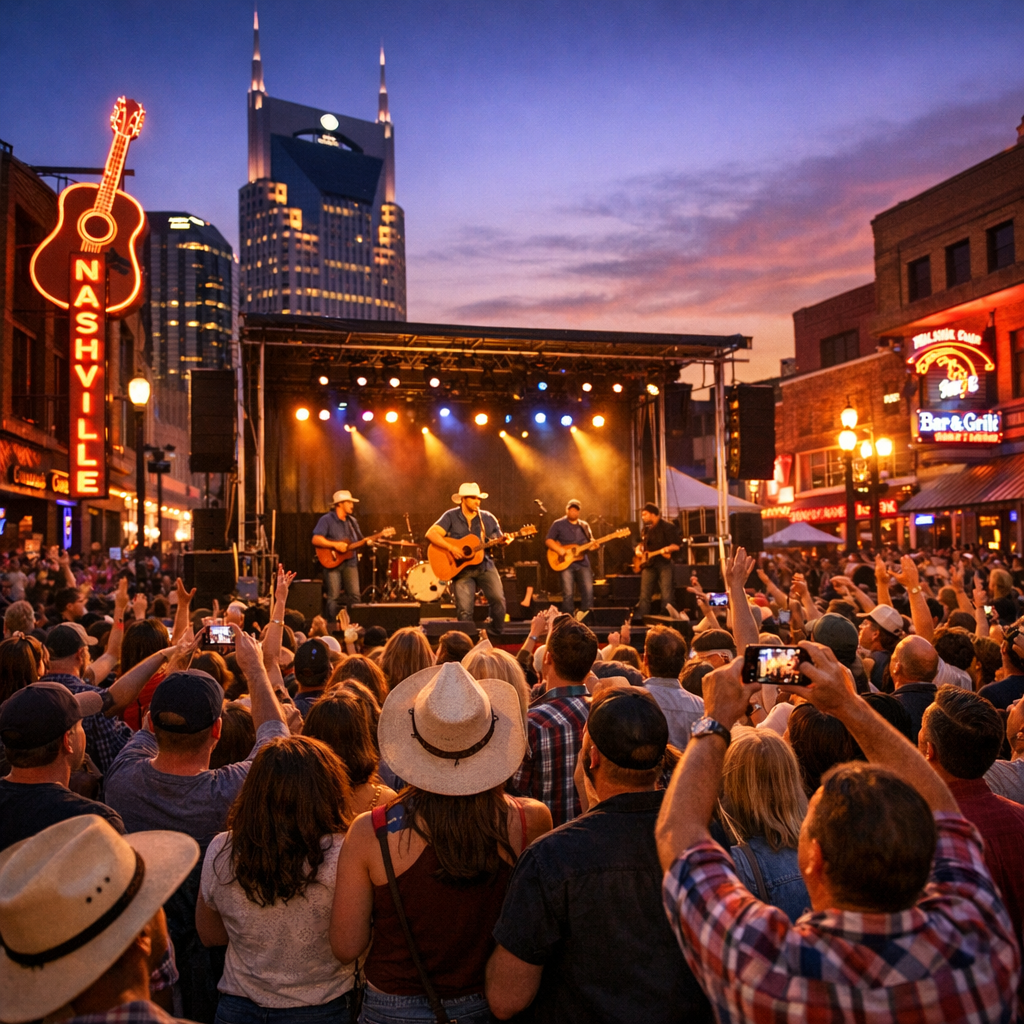
Festivals in Nashville aren’t just big moments in the calendar—they’re woven into local identity. Whether it’s the multicultural vibrancy of Celebrate Nashville, the songwriter-focused Tin Pan South, or community-led events like Tomato Art Fest, these gatherings bring together food, music, art, and conversation in ways that strengthen neighborhoods.
Make Music Nashville is another example of that communal spirit: every June, musicians and listeners of all levels use sidewalks, parks, and cafes as stages. It’s free, inclusive, and spontaneous—an ideal reminder that creativity belongs to the city, not just its institutions.
Challenges & What’s at Stake
Keeping Nashville’s arts scene thriving means more than admiration—it requires intentional policy, support, and space. Key challenges include rising real estate costs, shrinking infrastructure for live performance, and limited funding for non-commercial arts. When venues struggle or artists are squeezed out, we lose not only individual careers, but a shared sense of belonging.
Preserving Music Row’s heritage, protecting grassroots venues, and maintaining public art are all connected. They’re parts of a larger ecosystem—for culture, economy, identity—that benefits everyone. When policies and community effort come together, Nashville doesn’t just sustain what it has—it evolves.
Why It Matters
Nashville’s arts & culture aren’t just background scenery: they define who we are. They create places where strangers become neighbors, where stories are told, and where people feel at home. When we support public art, small venues, festivals, and museums, we’re investing in a city both proud of its past and open to its future.
Let’s stay curious, speak up, and make room—for artists, culture, and the magic that happens when community and creativity meet.