

By Ethan Martinez — Across the country, Americans are seeing the confluence of economic strain, judicial power plays, and political uncertainty. Below, several major developments shaping national politics, the economy, and the courts.
Where the Economy Stands: Growth Slows, Inflation Lingers
The U.S. economy expanded by about 1.5% during the second quarter, a noticeable drop from earlier in the year. Domestic consumption and investment remain steady, but weak government spending and rising imports are weighing on growth. Core inflation—a measure that strips out volatile food and energy costs—remains well above the Federal Reserve’s long-run target. That suggests the central bank may need to continue tightening policy to bring prices under control.
National Debt and Fiscal Choices
The United States now carries over $40 trillion in national debt, a figure that continues to draw attention in political and budget circles. The administration has defended its fiscal strategy, pointing to cuts in wasteful spending and efforts to foster economic growth as key to improving the debt-to-GDP ratio. Still, long-term projections and interest obligations create risk, especially if growth, inflation, or revenue fall short of expectations.
Key Supreme Court Decisions: Power, Citizenship, and More
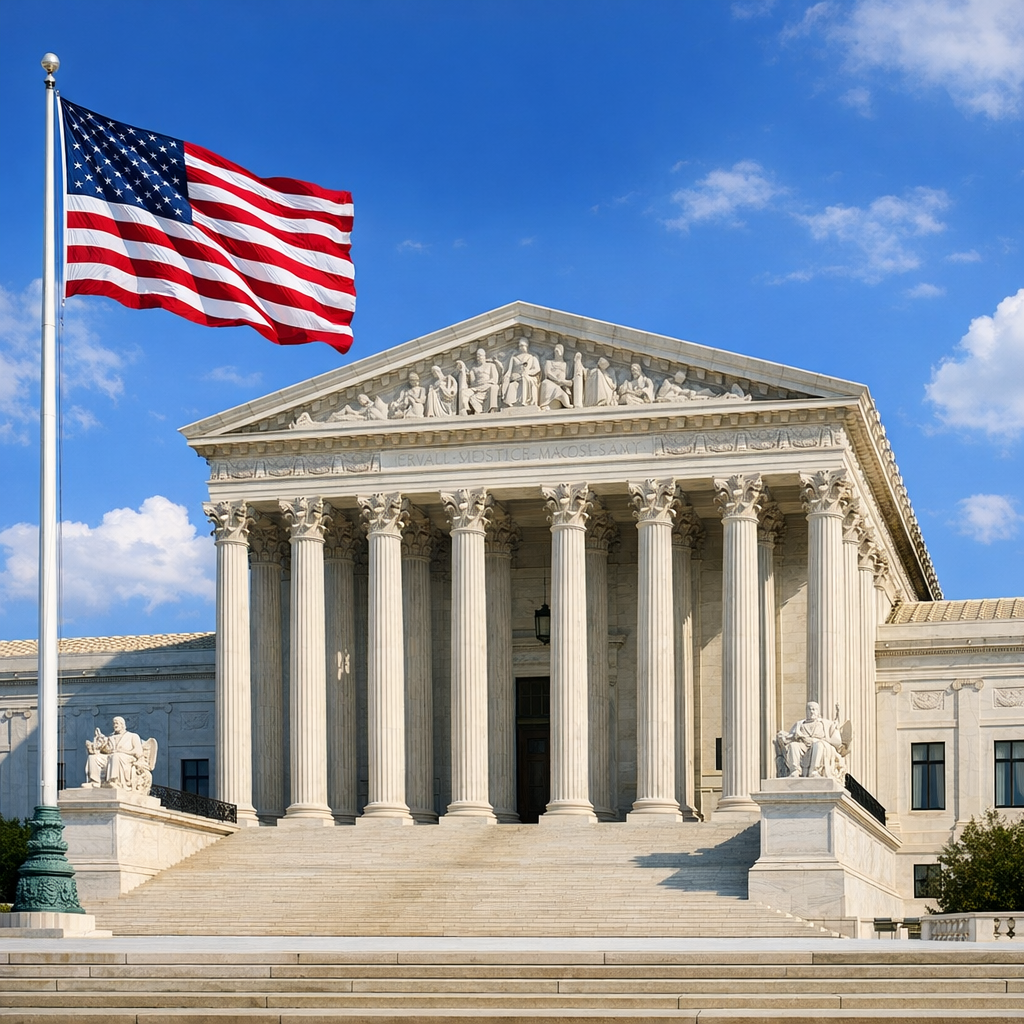
The Supreme Court wrapped up a term marked by hot-button issues and rulings with lasting impact. One decision struck down the president’s executive order redefining birthright citizenship, reaffirming rights under the 14th Amendment. Another limited the president’s unilateral power over tariffs, calling instead for clearer, congressional support. The Court also weighed in on campaign finance, agency oversight, and regulation of interstate laws.
Political Winds in the Midterm Season
With national elections approaching, voters are expressing widespread frustration over affordability—especially for housing, groceries, and fuel. Polling suggests that many Americans do not feel the economy is working in their favor. Republicans, in particular, are facing strategic challenges in conveying confidence amid economic tensions and rising prices. Democrats see openings in this discontent and are pressing their case on restoring protections around citizenship, preserving civil liberties, and defending workers from inflation.
What to Watch Going Forward
- Federal Reserve meetings—their signals on future interest rate changes will be carefully watched by markets and consumers alike.
- Further action or rulings from the Supreme Court, especially involving presidential power, immigration, and civil liberties.
- Midterm campaign messaging—if economic conditions don’t improve, affordability will likely be a defining issue.
- Budget and debt negotiations—proposals to rein in spending, raise revenues, or restructure obligations may carry serious political risk.
These developments matter not just in Washington, but in households here in Nashville and across Tennessee—where rising bills, legal questions about rights, and political stakes closer to home make these national issues very real.