

By Olivia Williams
Nashville’s city government has been working on several fronts lately—transportation, safety, housing, and land use—to address long-standing community concerns. Here’s a roundup of where things stand at the city level, and what to expect as projects continue to move forward.
Making Streets Safer: Vision Zero and Road Infrastructure
Road safety has become a major focus in Nashville. The Gallatin Pike and Main Street Corridor is now part of the Vision Zero High Injury Network, and updated designs incorporating community feedback are aiming to reduce pedestrian and vehicle accidents. These include resurfacing, clearer crosswalks, better lighting, and other safety enhancements along one of the city’s most dangerous roads. The project has nearly $7 million dedicated to it from state and Vision Zero funds.
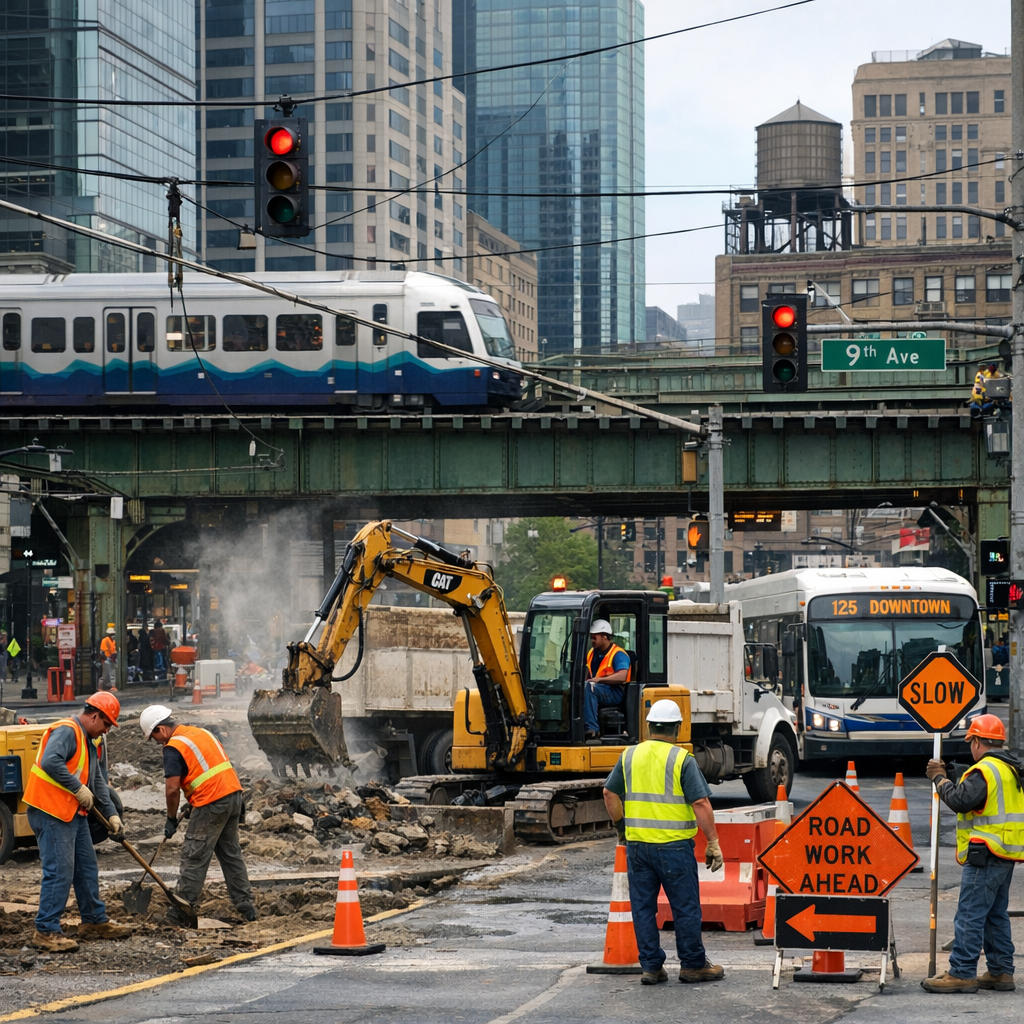
Elsewhere, the city has started installing raised crosswalks and concrete barriers in key locations following a rise in fatal crashes this year—more than 60 deaths, including at least 18 involving pedestrians. These safety fixes aim for short-term wins while longer projects are designed and built.
Transportation Investments: Choose How You Move
The voter-approved Choose How You Move program is fueling some of Nashville’s biggest transit upgrades in decades. It’s backed by a half-cent sales tax in Davidson County and has already generated major improvements in sidewalks, smart signals, transit service, and safety infrastructure.
A standout project is the Nolensville Pike All-Access Corridor, a nine-mile stretch from downtown to South Nashville. Its design includes higher-frequency buses, transit-only lanes where possible, upgraded signals, pedestrian safety upgrades, and better bikeway connections.
Another key transportation issue is the proposed “Music City Loop,” an underground transit system under development by The Boring Company. It aims to connect downtown with Nashville International Airport and other major hubs. While it offers promise for fast, low-emission travel, some city councilmembers have raised concerns about oversight, local control, and whether the benefits will be shared equitably across neighborhoods.
Data Centers, Zoning, and Public Input
Nashville is also wrestling with how to manage new data centers. Recent bills moving through Metro Council would impose stricter zoning rules and a temporary pause on new data center approvals. These measures come in response to community concerns about environmental impact, traffic, and the compatibility of large data facilities situated near parks, residential areas, or landmark institutions like the Nashville Zoo.
Public involvement has been intense—hundreds have spoken at council sessions in favor and against proposed data centers. As debates continue, residents are pushing for transparency, clear environmental safeguards, and strong buffer zones.
Looking Ahead
Investment in infrastructure and transit is underway, but it won’t happen overnight. Projects like All-Access Corridors take time to design, permit, and build. Road safety improvements often come first where risks are highest. The Music City Loop’s completion timeline depends in part on regulatory reviews and stakeholder negotiations. Meanwhile, zoning and land use debates show that Nashville is still figuring out how to grow in ways that respect both economic opportunity and community concerns.
What Nashvillians can do now: stay engaged in public comment periods, follow updates from the Metro Council on transit and zoning proposals, and keep pressure on officials to align resources with neighborhood needs. The decisions made now will shape both daily life and Nashville’s trajectory for years to come.