

By Olivia Williams
What’s Driving the Debate
Nashville is in the midst of a growing conversation about where data centers should (or shouldn’t) be built. Recent proposals, particularly one bordering the Nashville Zoo, have sparked concern among residents, zoo leadership, and city officials. The issue: current zoning rules fail to clearly define “data center” and often classify them under vague categories such as office or telecommunications uses.
The lack of clarity has allowed large facilities—some with plans for future expansion—to apply under looser land-use rules. As a result, Metro Councilmembers have introduced new bills aimed at putting guardrails in place: limits on size, restrictions on where data centers can go, and rules about environmental impact, noise, and emissions.
What the Proposed Bills Would Do
- Limit large data centers: Facilities over 500,000 square feet would be banned or heavily restricted under new legislation. Smaller centers would still be allowed in industrial zones under tighter oversight.
- Define data centers in zoning code: Metro is pushing to give data centers their own classification so that their impacts—noise, light, water, emissions—are clearly regulated in land-use permitting.
- Environmental protections: Proposals include bans or strict regulations on onsite power generation that causes pollution, among other environmental safeguards.
Where the Contention Is Strongest
The plot of land directly adjacent to the Nashville Zoo has become a flashpoint. Zoo leaders argue that a data center next door could disrupt animal welfare through excess noise, light pollution, and possible effects on water and habitat. Nearby residents and neighborhood associations have joined the outcry, saying these types of projects should undergo greater scrutiny before moving forward.
One Metro Councilmember has challenged a recent zoning decision using a rarely used procedural tool, arguing that the proposed center was mis-characterized under zoning rules—further illustrating how unclear existing regulations are and how powerfully they can shape outcomes.
What’s Next
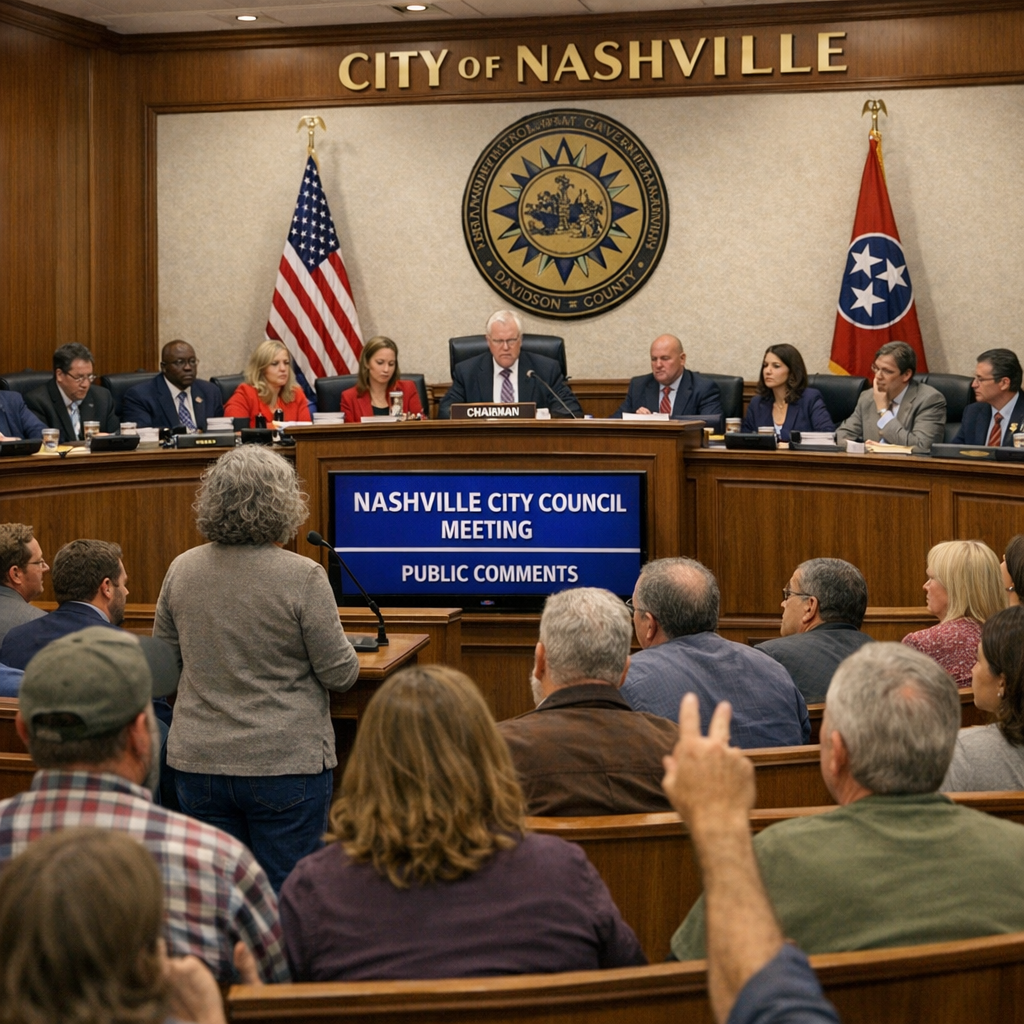
The Metro Council has approved bills to restrict data centers, following long public meetings involving hundreds of residents. These actions reflect mounting community concern and increasing attention from local leaders, who say they want to ensure future developments respect both Nashville’s infrastructure needs and its neighborhoods’ character.
Community feedback continues via public meetings and planning sessions. Key decisions ahead include where exactly new restrictions will apply, how strictly environmental protections will be enforced, and what kinds of oversight the city will require as new proposals come in.
Why It Matters
Data centers are a vital part of our digital infrastructure, supporting jobs, businesses, and technological growth. But without carefully crafted rules, their growth risks creating negative side effects for residents—especially when they’re built near sensitive land uses like parks, zoos, or neighborhoods. Nashville’s decisions now could provide a model—for better or worse—for cities balancing growth and quality of life.