

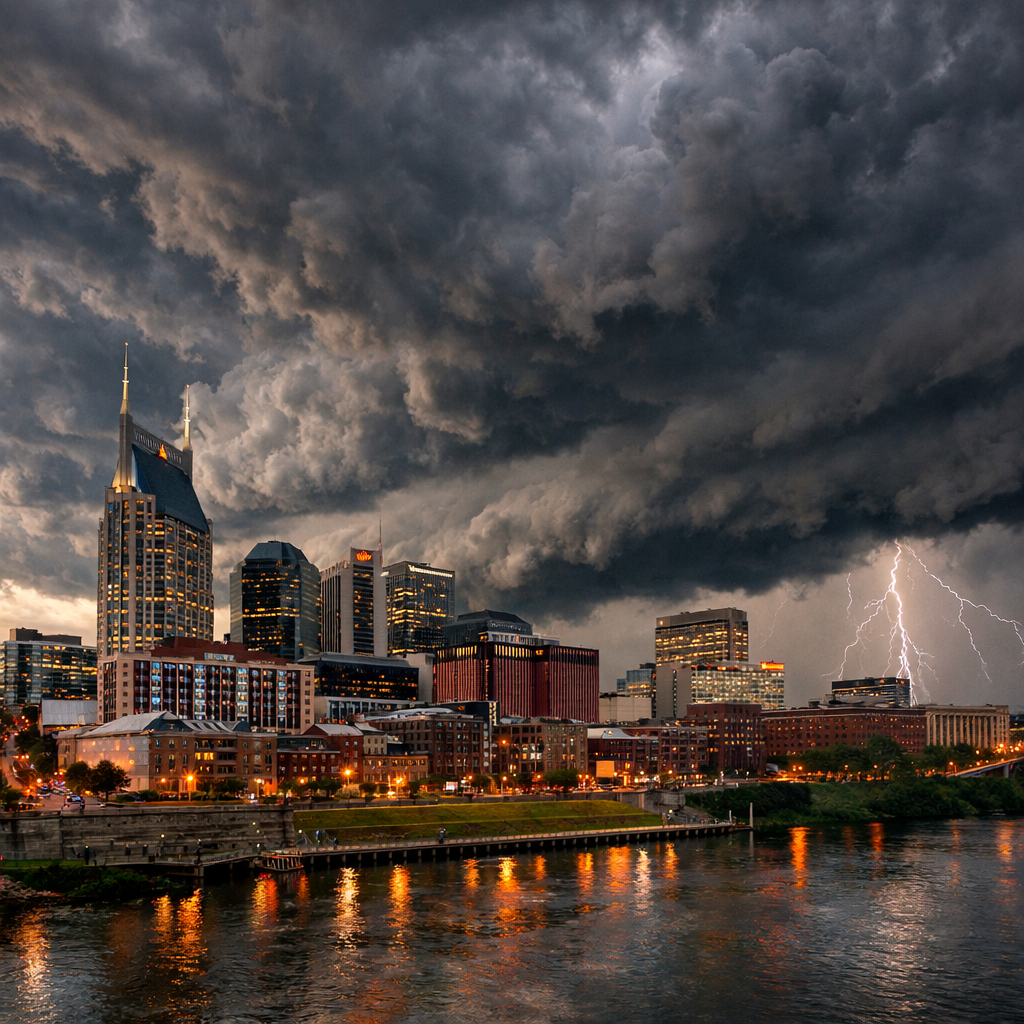
As someone who’s watched the weather dial slowly shift over the years here in Nashville, I’ve noticed patterns that aren’t so easy to chalk up to random chance. Our city is becoming warmer, wetter in some ways and drier in others, and the environmental ripple effects are showing up everywhere from our breathing to our streets.
How Nashville’s Weather Is Changing
First thing’s first: Tennessee’s long-term climate data shows increases in both average temperatures and yearly precipitation. In recent decades, we’ve had more days above 90°F, especially during summer, and winters have warmed noticeably.
At the same time, rainfall has shifted. Extreme rains are becoming more common—what used to be scattered heavy storms now show up frequently, and when they do, they dump more water in short periods. Meanwhile, some dry spells stretch longer than they used to.
Main Impacts Locals Might Be Feeling
Hotter Summers & Urban Heat Island Effects
Summers feel hotter—and we’re seeing more overnight warmth too, which makes rest tougher. Part of that discomfort comes from urban heat islands: paved surfaces, sparse greenery, and dense development trap heat, especially in lower-income and built-up areas.
Storms, Flooding & Water Challenges
More extreme downpours mean flash flooding is a growing concern. Some of our infrastructure wasn’t built for rapidly intensifying storms. Plus, rising temps increase evaporation, which dries soil between storms and makes droughts tougher even when rain returns.
Air Quality Issues & Health
Hot stagnant days can lead to high ozone levels, and intensified storms or wildfires (near or far) can send fine particulates our way. Lately, air quality reports have shown Nashville slipping—especially for year-round particle pollution. Sensitive folks—children, elders, those with asthma—feel this first.
Longer Allergy Seasons
Warmer springs mean plants wake up earlier, which means allergies kick off sooner and last longer. If you’ve noticed eyes watering or noses running earlier in the year, you aren’t imagining it. Pollen counts rising and changing plants in bloom are part of what experts are tracking.
What Nashville Is Doing, & What Neighbors Can Do Too
Metro Nashville recently rolled out a Climate Adaptation and Resilience Plan aimed at preparing for heat waves, flooding, and other climate hazards by strengthening infrastructure, updating planning guidelines, and protecting vulnerable areas.
On the ground, here are steps folks can take:
- Plant trees and support green roofs or rain gardens to cool neighborhoods and manage stormwater.
- Protect indoor air—use air purifiers or filters, especially on poor air quality days.
- Stay informed via the Metro’s daily air quality and ozone forecasts.
- Support policies that reduce emissions from cars and industry, since mobile sources still contribute heavily to smog and particulates.
Looking Ahead: What Locals Should Watch For
Change is already here, and more is coming. Projections show Nashville will face hotter summers, more days over 90°F, and shifts in when and how much rain falls. Cold extremes will be less frequent, but when they occur, they could still be intense.
As a community, staying aware—and taking small steps—matters. Weather is something we all experience daily. Adapting how we build, live, and care for this place can help Nashville stay resilient through what’s already underway.