

By Emma Johnson
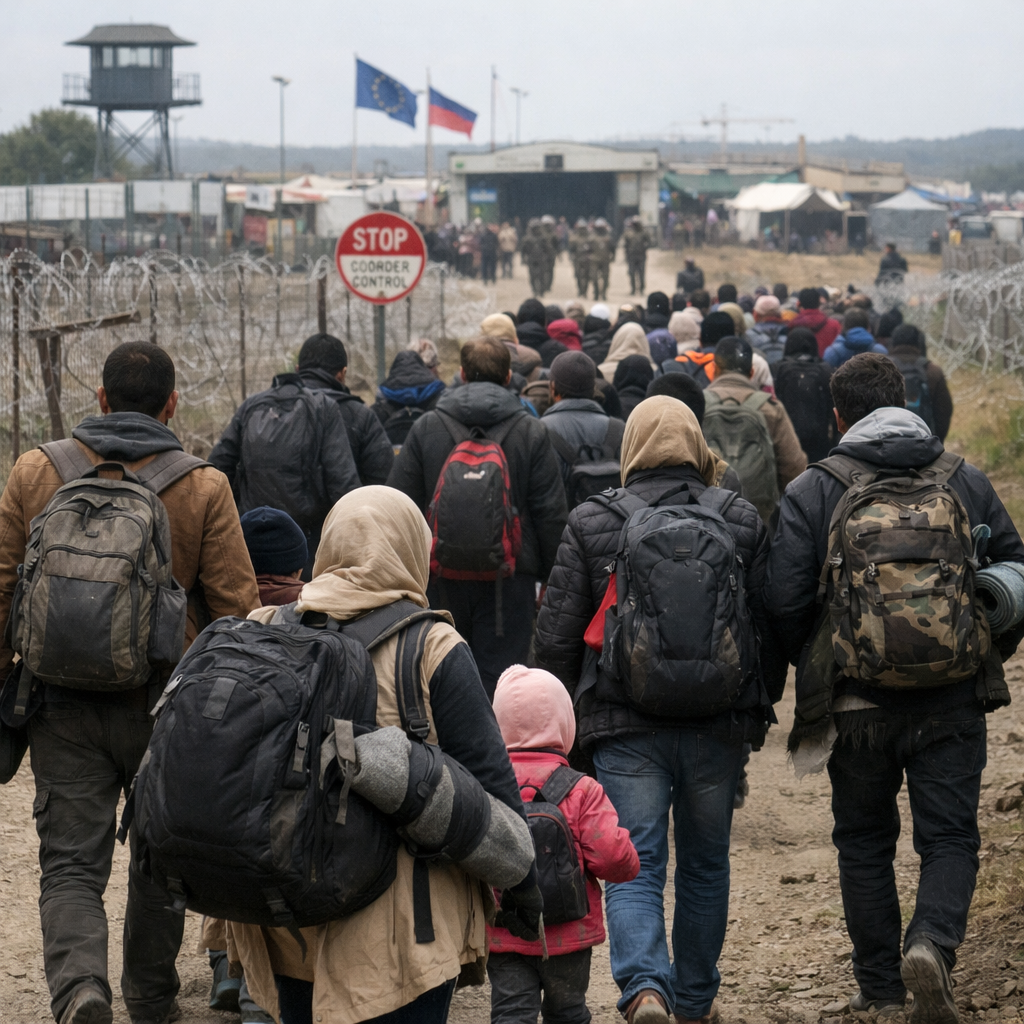
Forced displacement has reached an unprecedented scale. As of late 2025, approximately 117.8 million people globally are uprooted because of persecution, conflict, violence, or events disturbing public order. This number encompasses refugees, internally displaced persons (IDPs), asylum-seekers, and stateless individuals.
Where are people displaced from—and where are they going?
Many of those fleeing originate from just six countries: Afghanistan, South Sudan, Sudan, Syria, Ukraine, and Venezuela. Most refugees remain close to home—about 65% live in neighboring countries. Low- and middle-income nations host the majority of those in need of protection. Meanwhile, some displaced individuals have been able to return home—nearly 4.4 million people in 2025—but often face severe challenges reintegrating due to damaged infrastructure, economic instability, or continuing insecurity.
The role of climate change & long-term displacement
Climate-related factors—like extreme weather, slow-onset environmental damage, and rising sea levels—are increasingly driving displacement. While much migration remains internal, climate disruptions often worsen existing conflicts or displace those with few resources. Experts emphasize that solutions based on local knowledge and community-led adaptation are essential but often under-resourced.
Health, rights, and global responsibility
Displaced individuals face serious health challenges, including access to care, mental health issues, and risks for children, especially amid humanitarian crises. International law provides protections, but implementation is uneven and often depends on where people flee and whether host countries have capacity.
What needs to change?
- Enhanced support for host communities, including through equitable financing and resources.
- Policies that promote self-reliance: access to work, education, and legal protections are critical.
- More investment in climate adaptation and disaster risk reduction to prevent displacement before crises escalate.
- Improved mechanisms for return and reintegration that ensure safety and dignity.
Forced displacement is not a problem any single country can solve alone. It highlights how interconnected our shared future is—and how global cooperation, local action, and policy rooted in human dignity are more urgent than ever.