

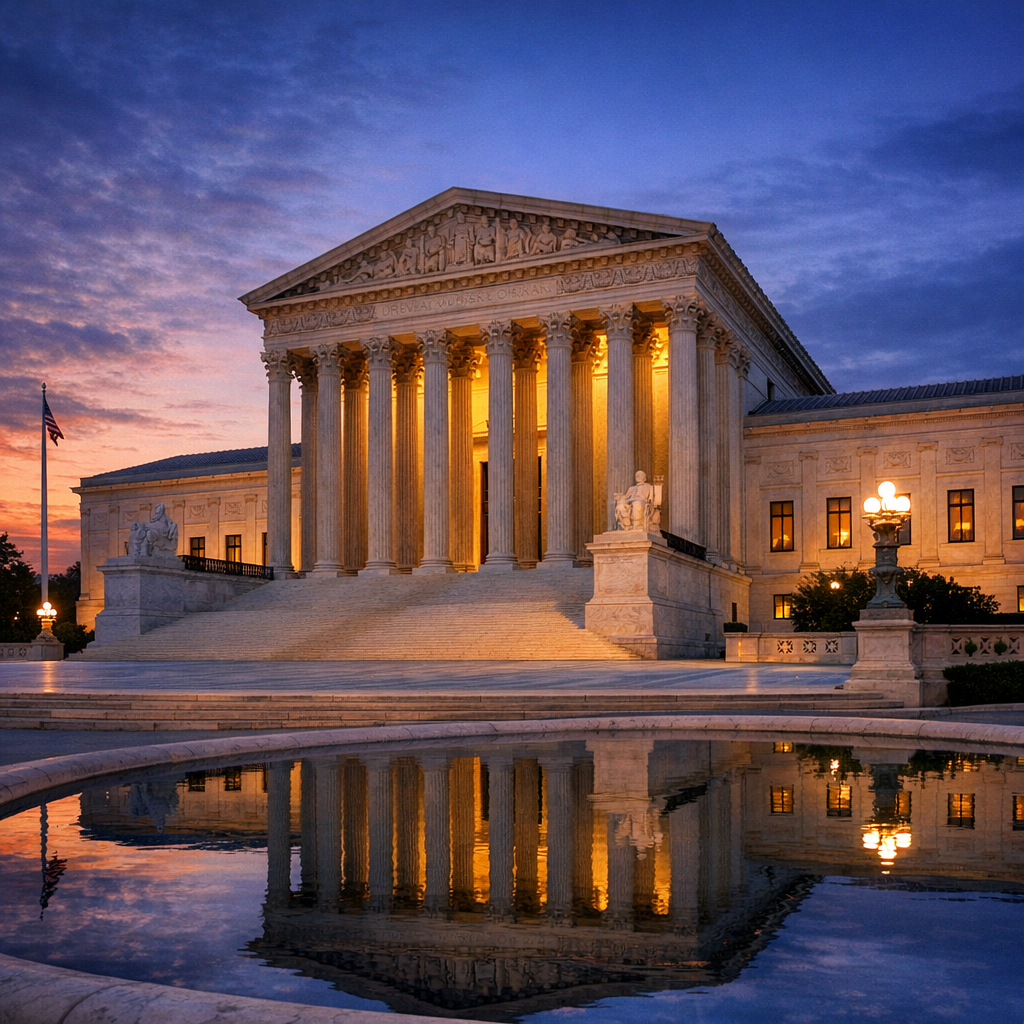
By Ethan Martinez — At the heart of several recent U.S. Supreme Court decisions are sweeping shifts in how power is distributed across government branches, expanding executive authority while recalibrating citizen rights and state-federal tensions.
Broadening Presidential Reach and the Fate of Regulatory Independence
In rulings across two major cases, the Court upheld a president’s greater power to remove heads of independent agencies—affirming earlier restrictions that prevent such firings only in specific, Congress-defined circumstances. These decisions mark a notable expansion of executive reach, and raise fresh debate over the future of regulatory independence and checks on presidential power.
Voter Rights, Campaign Finance & First Amendment Implications
The Court also struck down certain limits on how much a political party can spend in coordination with its own candidates, ruling that such restrictions violate First Amendment protections. That decision has serious implications for campaign finance law, potentially reshaping how parties and super PACs behave going forward.
Meanwhile, lower courts’ rulings blocking or delaying vote counting and redistricting based on race were revisited, particularly in relation to protections from the Voting Rights Act that historically safeguarded minority representation. Critics warn the changes may dilute the power of voters in certain areas, especially in Southern states.
Immigration Policy: Temporary Protections Endured and Unraveled
The Court permitted the administration to terminate Temporary Protected Status (TPS) for migrants from several countries, including Haiti and Syria. This decision leaves over a million people at risk of deportation unless alternative legal protections are established, sparking concern from immigrant rights advocates and state governments alike.
Public Sentiment & Legal Trust Under Pressure
These rulings come amid sharp public debates over ideological balance in the Court. Polls show that a majority of Americans believe recent decisions have been rooted more in ideology than constitutional law—raising fears about trust in judicial impartiality.
As Congress, courts, voters, and state governments respond to these shifts, what lies ahead is not merely legal debate but potential legislative efforts to set new boundaries: on presidential removal power, campaign finance, voting protections, and immigration reform.