

By Ava Brown
Nashville is no stranger to innovation, but lately our everyday lives are changing in ways we barely notice. Whether it’s for work, home, or staying connected, technology—especially artificial intelligence—is woven into daily routines in ways both small and significant.
The Tools We’re Already Using
According to recent national surveys:
- Half of Americans reported using an AI-powered service in the past week, with tools like ChatGPT, Google Gemini, and Microsoft Copilot leading the way. These tools assist with everything from writing emails to brainstorming ideas.
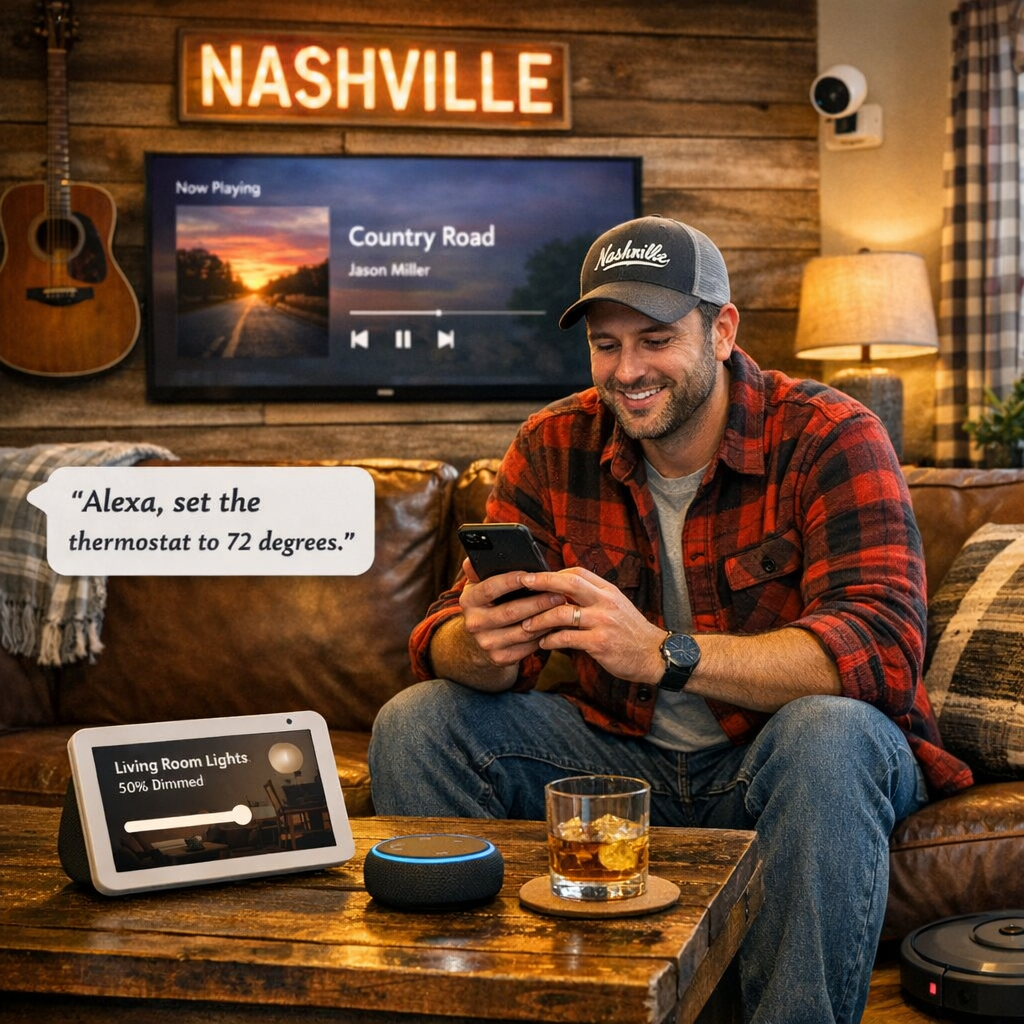
- Smart devices are now common fixtures in many homes: smart speakers, thermostats, video doorbells, and robot vacuums are increasingly helping with daily chores or security.
- More people are turning to AI in their work: using chatbots to speed up tasks, summarizing information, generating ideas, or assisting with scheduling.
Local Tech Access Matters—Digital Inclusion in Nashville
These innovations are powerful—but not equally available.
Nashville’s Digital Inclusion Plan highlights that reliable internet, devices like laptops or tablets, and training in digital skills are essential for all residents to fully participate in our changing economy and society.
Metro Nashville offers programs like Connected Nashville and publishes a digital inclusion map so people can find help getting set up with technology, getting connected online, or gaining skills for using tech safely and confidently.
Opportunities—and Things to Watch
With these tools becoming more common, there are fresh benefits here in Nashville:
- Efficiencies in daily life: Automation and AI shortcuts can reduce time spent on repetitive tasks—from scheduling to home maintenance.
- New tools for local businesses and creatives: AI-powered apps help with marketing content, music editing, customer service—offering small-scale tech leverage.
- Support for care and wellness: Wearable devices, apps that remind you to move or track your health stats, and voice assistants that connect you with help when needed.
At the same time, there are trade-offs:
- Privacy and data concerns: Devices listening, cameras watching—it’s easy to lose track of who has access to what information.
- Equity gaps: Not everyone has access to high-speed internet or devices, and not everyone has digital literacy training. The city’s digital inclusion work aims to bridge those divides.
- Overreliance and transparency: When AI becomes part of our assistants, speakers, or tools, clarity about where decisions come from is increasingly important.
Practical Tips for Nashvillians
If you’re interested in getting more from the tech around you—or staying grounded amid all the innovation—here are some ideas:
- Explore local resources like Nashville Public Library’s digital literacy classes or libraries offering free computer access.
- Check your device permissions. Many gadgets allow you to shut off voice or camera access—or control data sharing options.
- When adding AI tools in workspaces, ask about policies—around bias, data, transparency—to ensure safe, fair use.
- Support efforts to expand digital inclusion: volunteering, giving feedback to city plans, staying involved with community tech programs.
Ai and smart tech won’t wait; they’re already here. Our role as Nashvillians is to shape how they serve us—making sure these tools work for everyone, not just some.