

By Olivia Williams
What’s Changing
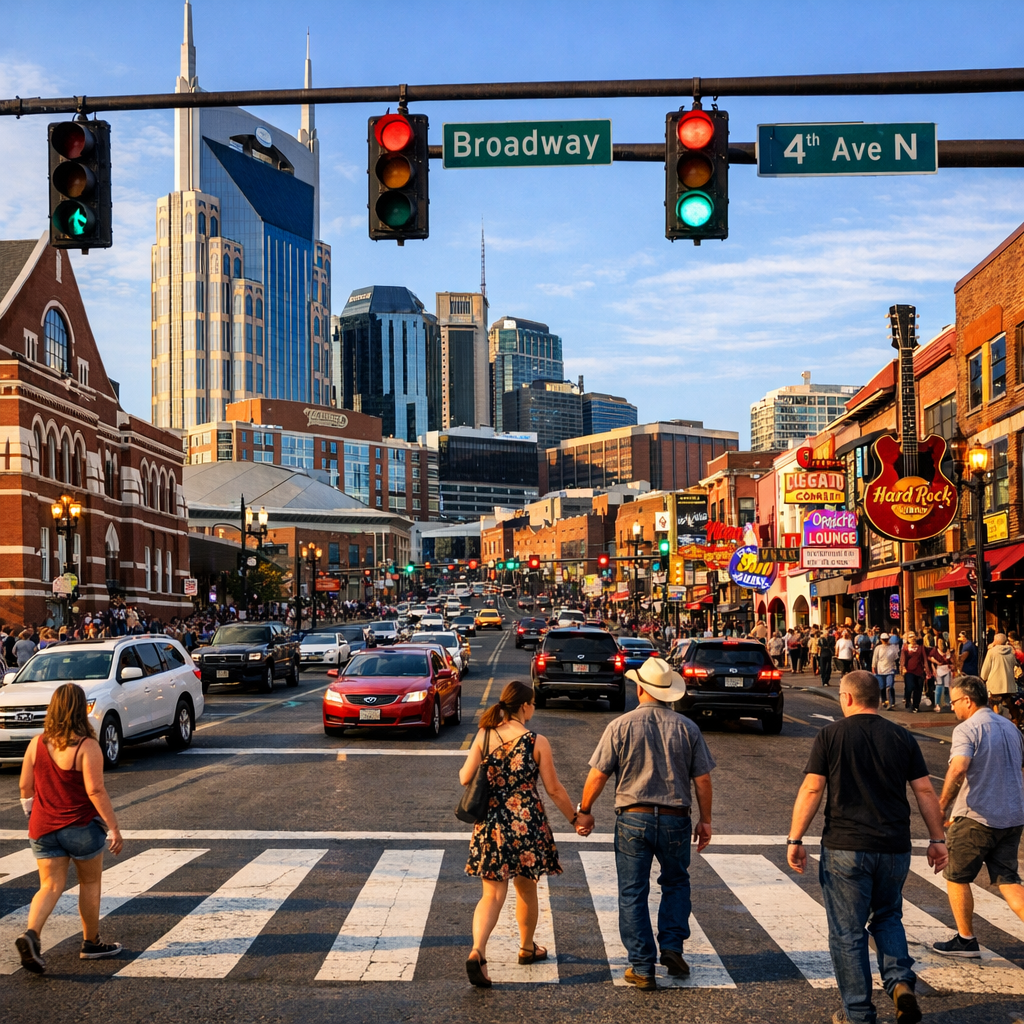
The Nashville Metro Council is advancing legislation that would ban most right turns on red R at intersections in the Downtown Urban Services District, especially in school zones, high-traffic corridors, and parts of Connect neighborhoods. The goal: make streets safer for pedestrians and cyclists and reduce traffic-related fatalities. To ease the transition, enforcement would start with warnings instead of citations during the first 90 days. An evaluation of crash, traffic, and travel time data would follow after one year.
Why It Matters
So far in 2026, Nashville has recorded more pedestrian deaths than at the same point last year. Supporters of the ban argue that allowing right turns on red creates dangerous conflicts, particularly when drivers are focused on traffic and not watching for people walking or biking across intersections. Re-examining the role of simple traffic laws, like turning right on red, is part of the city’s broader Vision Zero plan — a commitment to eliminate all traffic fatalities and severe injuries.
What’s Driving Debate
Not everyone agrees the change is warranted or practical. Drivers argue the ban could lengthen commutes, burden public transit users, and cause congestion. Some residents believe exemptions for certain areas — like school zones and downtown — might hit city traffic hardest where it’s already strained. The law’s amendments reflect this tension: the latest version narrows the original coverage, focusing the prohibition where recorded pedestrian conflicts are highest.
Next Steps & Watch Points
- The proposal has passed its first vote and moves to its second reading in September.
- If adopted, Metro DOT would have to post “No Turns On Red” signs at affected intersections and track enforcement outcomes.
- Watch for the one-year safety report — it must include crash data, traffic flow insights, and travel time impacts.
- Community feedback is key — how drivers, pedestrians, and transit riders experience the on-ground changes could shape future expansions or rollbacks.
This is part of Nashville’s push to make its streets safer, especially for its most vulnerable residents. As city leaders balance mobility and safety, changes like this signal where priorities are shifting — and remind us: laws on the books are only effective if they keep the people they’re meant to protect in view.