

By Emma Johnson
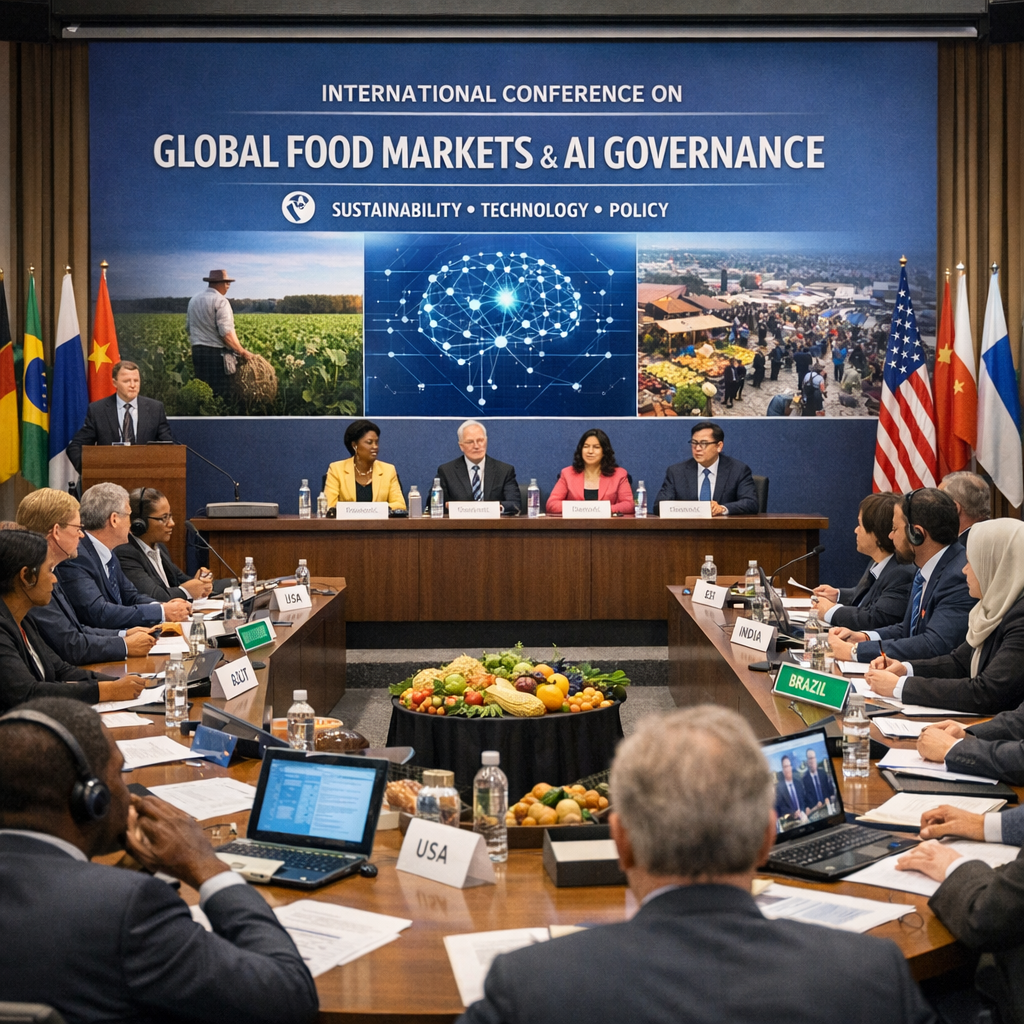
Around the globe, two major forces are reshaping life: one rooted in our immediate survival—food security—and another in our rapidly evolving future—artificial intelligence governance. What follows is a look at where things stand, and why they matter to all of us.
Food Security: Small Gains Among Big Challenges
Recently released UN and World Bank reports show progress in reducing global hunger. Poverty-driven food insecurity is easing in some regions, and notably in parts of Africa there are early signs of improvement. But this progress is fragile and uneven. Many people still cannot afford healthy diets—and disparities are stark when you break the data down by country, gender, and whether you live in rural or urban areas.
Several forces are putting pressure on food systems worldwide. High costs for fertilizers, disruptions in supply chains, rising biofuel demand, and potential trade restrictions are pushing prices upward. Meanwhile, climate phenomena like El Niño risk worsening the picture by disrupting crop yields. The poorest countries—where both incomes and agricultural inputs lag—are most at risk if these trends continue.
Why This Matters Locally
Even if you live in places far from agriculture shocks, global food and input price trends ripple everywhere. Rising costs for shipped goods, higher energy for refrigeration, and increased demand for sustainable products all intersect with consumer prices here at home. Nashville farms, grocery stores, and even local policy must respond when supply chain or weather risks abroad begin to hit domestic shelves.
AI Governance: From Theoretical to Urgent
Artificial intelligence is no longer just about new research labs or science fiction. Global institutions are now focused on how governments, companies, and societies shape it. The United Nations, for instance, has launched a “Global Dialogue on AI Governance.” It aims to bring together all nations—regardless of size or tech capacity—to discuss ethical standards, safety, and equitable access.
Across the world, countries are defining AI strategies, many placing emphasis on “sovereignty”—having control over domestic AI systems and data. There is growing policy divergence: in the European Union, strong regulatory frameworks with enforcement plans are taking center stage; in others, regulations are still emerging or incomplete. Meanwhile, companies are racing ahead with powerful tools whose risks—bias, misuse, and privacy—are only now gaining more serious international scrutiny.
Connections You Should Know
These two global stories intersect in unexpected ways. For instance, AI tools can help predict crop failures, improve supply chain transparency, and enable precision agriculture—helping reduce waste and boosting yields. But without shared international standards, AI also risks being used irresponsibly: deepfakes on climate change, or surveillance in rural communities without consent.
What should we watch for in the coming months:
- Announcements or enforcement actions under new AI laws, especially from major blocs like the EU and international consortia.
- New cracks or successes in agricultural trade agreements that affect fertilizer, grain, and livestock input costs.
- Early warnings on El Niño impacts or weather-based disruptions in South Asia, Southern Africa, or Southeast Asia.
- Emerging help or investment aimed at making nutritious food more affordable and accessible for low-income populations globally.
These are big issues—and they aren’t waiting. By paying attention where the world’s challenges meet innovation and instability, we can better anticipate change, adapt policies, and support resilient communities—both here in Nashville and everywhere.