

By Olivia Williams
Nashville is undergoing a shift in how people get around — and how safe they feel when they do. Two major efforts out front are the Choose How You Move (CHYM) initiative and Vision Zero Nashville. Together, they promise safer streets, better transit access, and improvements to infrastructure that many neighborhoods have long needed. But with those changes come questions about timing, funding, and impact.
What is Choose How You Move?
Funded by a voter-approved referendum, CHYM focuses on four core areas: sidewalks, signals, transit service, and safety. So far, more than $160 million has been launched into projects aimed at upgrading pavements, installing smart signal systems, expanding service hours, and improving accessibility. Key corridors like Gallatin Pike and Nolensville Pike/Main Street are seeing both near-term improvements and more ambitious long-term redesigns. The program is rolling out improvements neighborhood by neighborhood.
How Vision Zero factors in
Vision Zero is Nashville’s plan to eliminate roadway deaths and serious injuries by 2050. It hinges on five “E”s: engineering, education, encouragement, evaluation, and enforcement. Recent efforts include lowered speed limits, traffic calming measures, and dedicated federal funding for known high-risk corridors. Still, community advocates argue that progress feels slow — especially given rising traffic fatalities this year.
Examples where the two connect
The intersection of Gallatin Pike and Main Street serves as a flashpoint. It saw early design updates, with community feedback emphasizing the need for quicker fixes like better striping, accessible curb ramps, and shorter turn radii. Projects are now underway to deliver those short-term interventions, with more extensive changes to come.
Data Centers and Zoning Changes
While transit and safety programs grab headlines, Nashville is also wrestling with zoning and land use questions, especially related to data centers. Mayor Freddie O’Connell issued an executive order pushing for a temporary moratorium on new large-scale data centers until a regulatory framework is in place. Key concerns include impacts on infrastructure, public utilities, environmental health, noise, and compatibility with surrounding neighborhoods.
One notable development: Metro Council has authorized action to consider using eminent domain to block a $700 million data center development near the Nashville Zoo & Grassmere, citing potential risks to wildlife, noise pollution, and traffic.
What Residents Should Keep an Eye On
- Tangible gains in safety: Raised crosswalks, new signal timings, concrete barriers — these short-term fixes can make a difference now.
- Neighborhood voices in zoning: When new developments are proposed, public hearings, design reviews, and council votes still shape whether projects blend in — or stick out.
- Transit service changes: CHYM is expanding hours, increasing frequency, and rolling out fare-free options for eligible riders — this can change daily commutes in big ways.
- Regulatory frameworks: Data centers, safety corridors, land use — all are being studied or revised. The rules will determine what kind of growth Nashville accepts, and how quickly.
Challenges Ahead
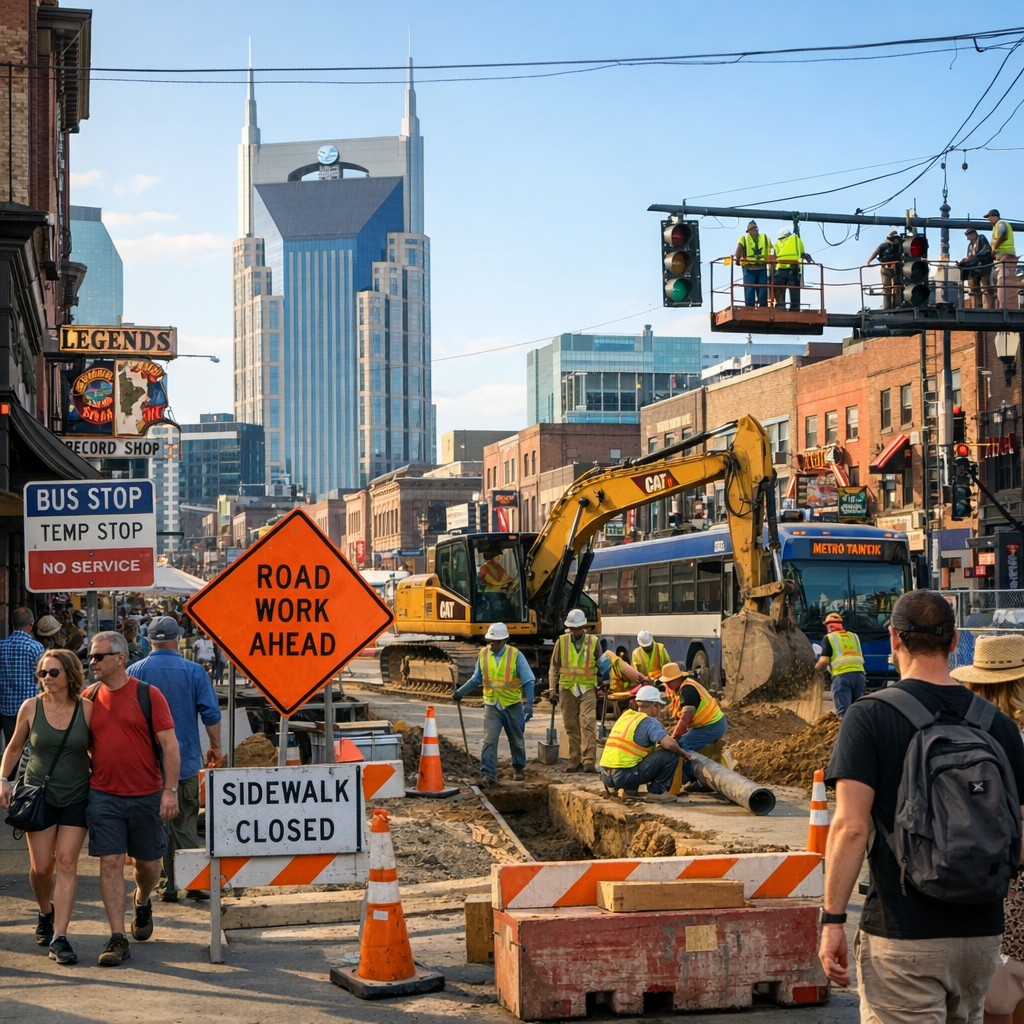
It’s not without bumps. Balancing urgency with thorough planning means some communities worry change is too slow. Funding allocations are often contested, and even successful programs require coordination across Metro departments. There are also debates over how much regulatory weight Metro and the Planning Commission should have. Lastly, infrastructure upgrades often mean temporary disruptions — construction, road closures — that test patience.
What You Can Do
If you want to stay informed or have a say, here are some ways:
- Attend your district’s Metro Council and Planning Commission meetings — many are public and allow comments.
- Review project maps and proposals for your area via Nashville’s “Choose How You Move” website.
- Keep up with where Vision Zero projects are planned or in construction through NDOT updates.
- Engage with local neighborhood associations — when zoning or development proposals come through, collective community voice often carries more weight.
These programs represent real opportunity for Nashville: safer streets, more access, and infrastructure that works for every neighborhood. As implementation unfolds, feedback from residents will help shape whether the city meets its goals — not just because leaders plan well, but because the community demands that progress be inclusive and lasting.