

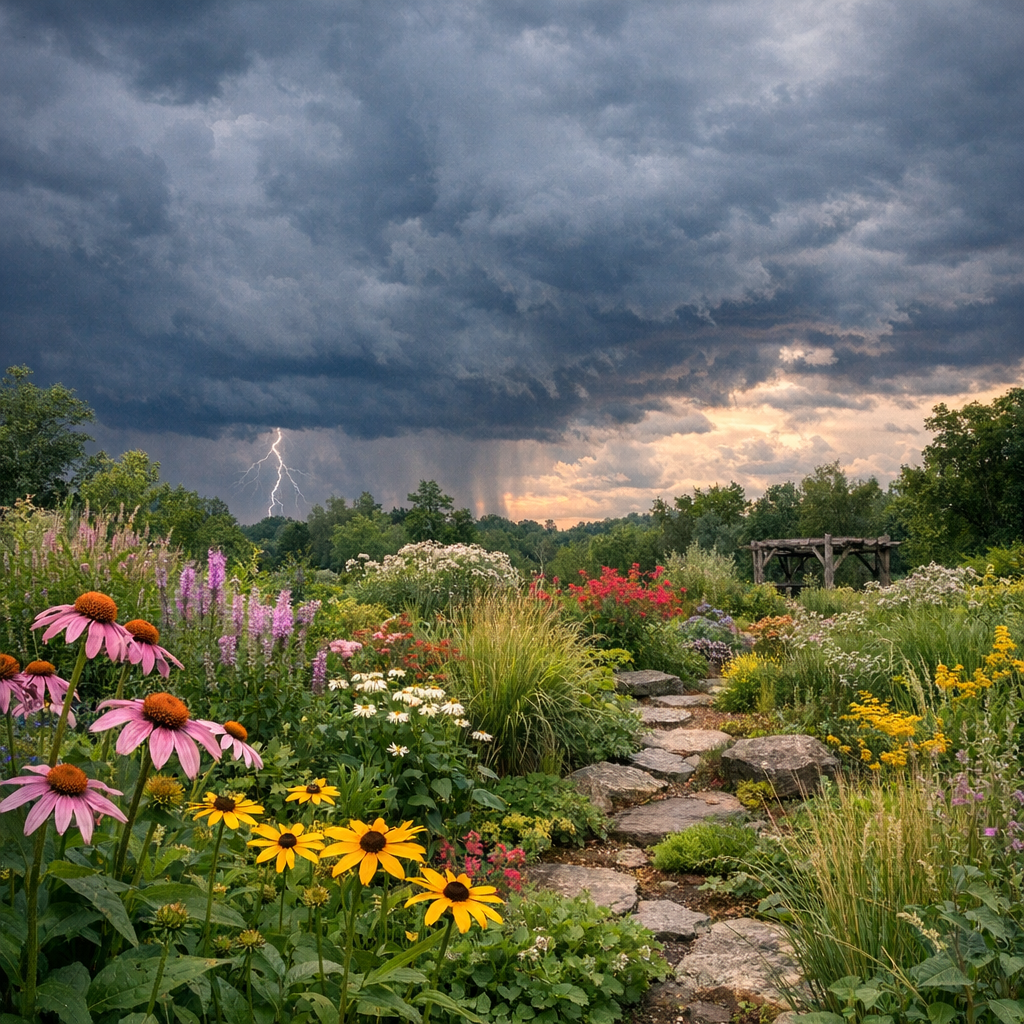
Hi friends, Mason Martinez here. Nashville’s weather is as dynamic as our music scene — we dress in layers, watch skies carefully, and learn to roll with sudden storms. But beyond what spring blooms or summer storms bring, there are ways we can live more resiliently in our climate, care for our health, and nurture long-term environmental health.
Understanding Our Weather Rhythms
Middle Tennessee sees about 48 inches of rain a year, and it’s not evenly spread: late fall through spring tend to be wetter, while summer into early fall often brings hotter, drier stretches. We also get intense weather events — flash floods, heat waves, sudden storms — that put stress on our infrastructure, landscapes, and community health.
This varying pattern matters: when spring’s rains saturate clay-heavy soil, drainage issues pop up. When summer heats grind on without much relief, the danger of drought and heat stress rises. Knowing these cycles helps us plant, build, and plan smarter.
Air Quality & Health: What to Watch For
Air quality in Nashville is something many of us underestimate until it’s uncomfortable — or worse. From spring through autumn, ozone levels can rise, especially on hot, stagnant days. Fine particulate matter (PM2.5) also becomes more harmful when smoke from distant wildfires drifts our way or when dust and pollen collide with humidity.
Check your local air quality forecast regularly — especially if you’re sensitive (kids, older adults, or folks with respiratory issues). On poor air days, avoid long outdoor workouts, keep windows shut during peak heat or pollution hours, and consider air filtration indoors.
Wise Planting Choices for Climate Resilience
Choosing the right plants can make a world of difference. Native species — those that evolved in our Zone 7a climate and heavy, clay soils — are often more resilient to both drought and flooding. Gardeners report greater success and less upkeep when using climate-adapted or native perennials, shrubs, and trees.
Some plants that thrive here include Black-Eyed Susan, Blue False Indigo, and Baptisia; grasses like Switchgrass or Little Bluestem provide structure and tolerate extremes. Also, trees such as Shumard Oak or Swamp White Oak can help with shade, stormwater absorption, and true long-term resilience.
Design & Maintenance Tips:
- Amend soil with organic matter so moisture drains well but retains enough for dry spells.
- Group plants by moisture tolerance — let wet-loving species sit low in your yard and drought-tolerant species higher.
- Use mulches to reduce weed growth, moderate soil temperature, and hold moisture.
- Keep trees—especially native canopy species—to help shade homes, reduce urban heat, and support wildlife.
Planning for Change: Infrastructure & Community Initiatives
Metro Nashville has rolled out its Climate Adaptation and Resilience Plan, which maps risks like heat waves, floods, and storms — and proposes both physical and social infrastructure fixes. That could mean improved drainage, more tree canopy in neighborhoods, nature-based flood buffering, and prioritizing resources in communities most affected by climate stress.
On a personal scale, community gardens, green spaces, and rain gardens help reduce stormwater overflow and improve air. Root Nashville’s tree program is another great effort — adding new trees across the county improves shade, cleans air, and cools us down in summer.
What You Can Do From Home
Here are small but meaningful actions each of us can take:
- Plant natives or climate-adapted species in your yard.
- Limit use of fossil-fuel tools on bad air days (e.g., leaf blowers or gas-powered lawnmowers).
- Collect rainwater or install permeable surfaces to reduce runoff.
- Support policies and funding for tree canopy, public health alerts, stormwater infrastructure.
- Stay informed via local air quality forecasts and weather alerts.
Nashville isn’t an easy place to predict, weather-wise. But with a few smart choices — about what we plant, how we build, how we respond — we can help our city and our yards stand up to whatever skies send our way. Thanks for spending time thinking it through with me; I’ll see you walking under the next shade tree.