

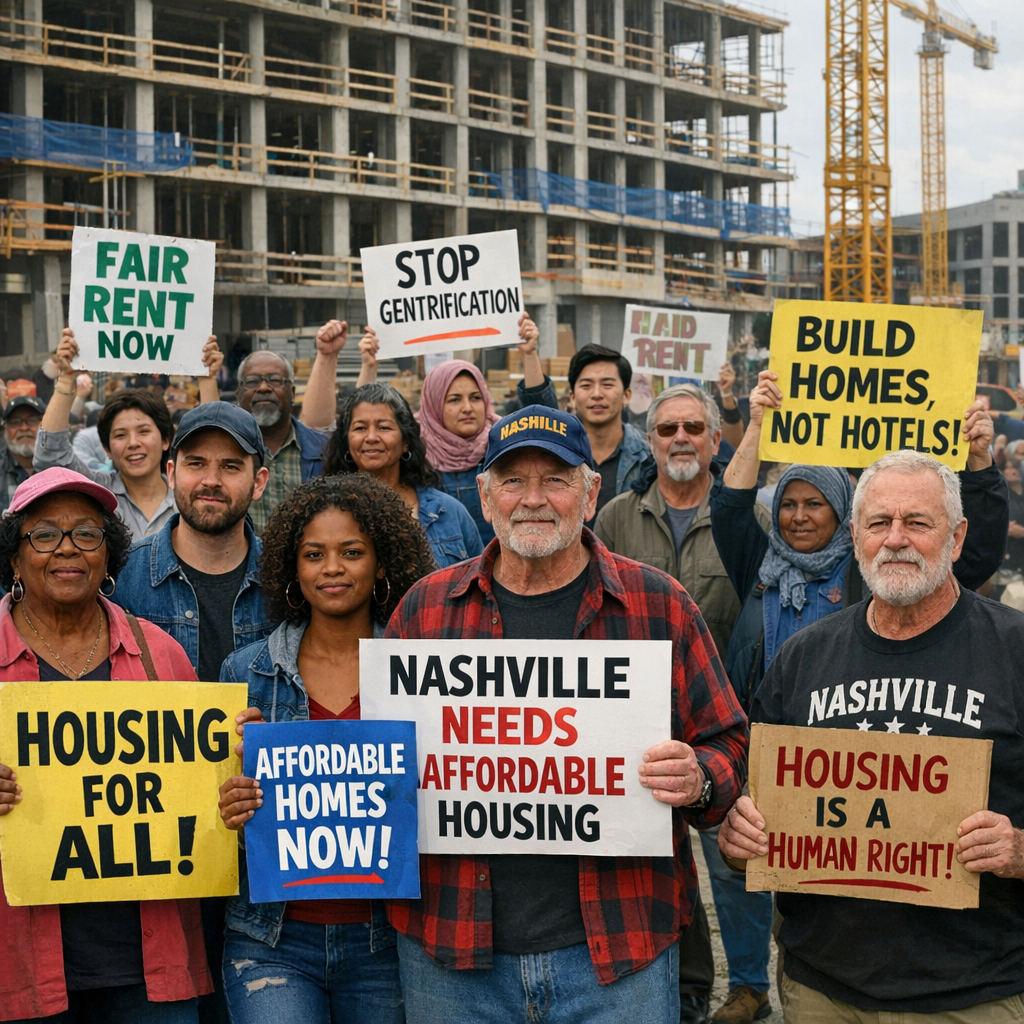
Nashville’s rapid growth has brought prosperity to many, but it has also intensified a housing affordability crisis that threatens the city’s diverse fabric. Recent studies reveal that a significant majority of residents find homeownership increasingly out of reach, with minority communities bearing the brunt of this challenge.
Staggering Statistics
A Vanderbilt University poll indicates that 82% of Nashvillians feel they cannot afford to purchase a home in Davidson County. This sentiment reflects a broader concern about the city’s escalating cost of living and the widening gap between income levels and housing prices. The median household income in Nashville stands at $91,000, yet a recent Redfin report suggests that an annual income of approximately $120,000 is necessary to afford a median-priced home. This $30,000 disparity underscores the financial strain on many residents.
Disproportionate Impact on Minority Communities
The housing crisis disproportionately affects Black and Hispanic families. A comprehensive housing and infrastructure study revealed that these families can afford median-valued homes in less than 1% of Nashville’s 481 neighborhoods—specifically, just 0.8% for Black families and 0.6% for Hispanic families. This stark reality is rooted in a history of discriminatory practices, including redlining and exclusionary zoning laws, which have systematically limited access to homeownership and wealth accumulation for minority communities.
Community and Policy Responses
In response to these challenges, Metro Social Services released an annual report highlighting the affordability issues faced by African American residents. The report emphasizes the need for targeted interventions to address the enduring legacies of economic disparity. Additionally, the city has introduced interactive mapping tools to spotlight areas undergoing gentrification, wage disparities, and poverty concentrations. These resources aim to inform policy decisions and community initiatives focused on equitable development.
Local leaders are also considering zoning reforms to increase housing density along transit corridors, a move intended to expand affordable housing options. However, such proposals often encounter resistance from residents concerned about preserving neighborhood character.
Looking Ahead
As Nashville continues to grow, the imperative to balance development with inclusivity becomes more pressing. Addressing the housing affordability crisis requires a multifaceted approach, including policy reforms, community engagement, and sustained investment in affordable housing initiatives. Ensuring that all residents, regardless of background, have access to safe and affordable housing is essential for the city’s long-term vitality and cohesion.