

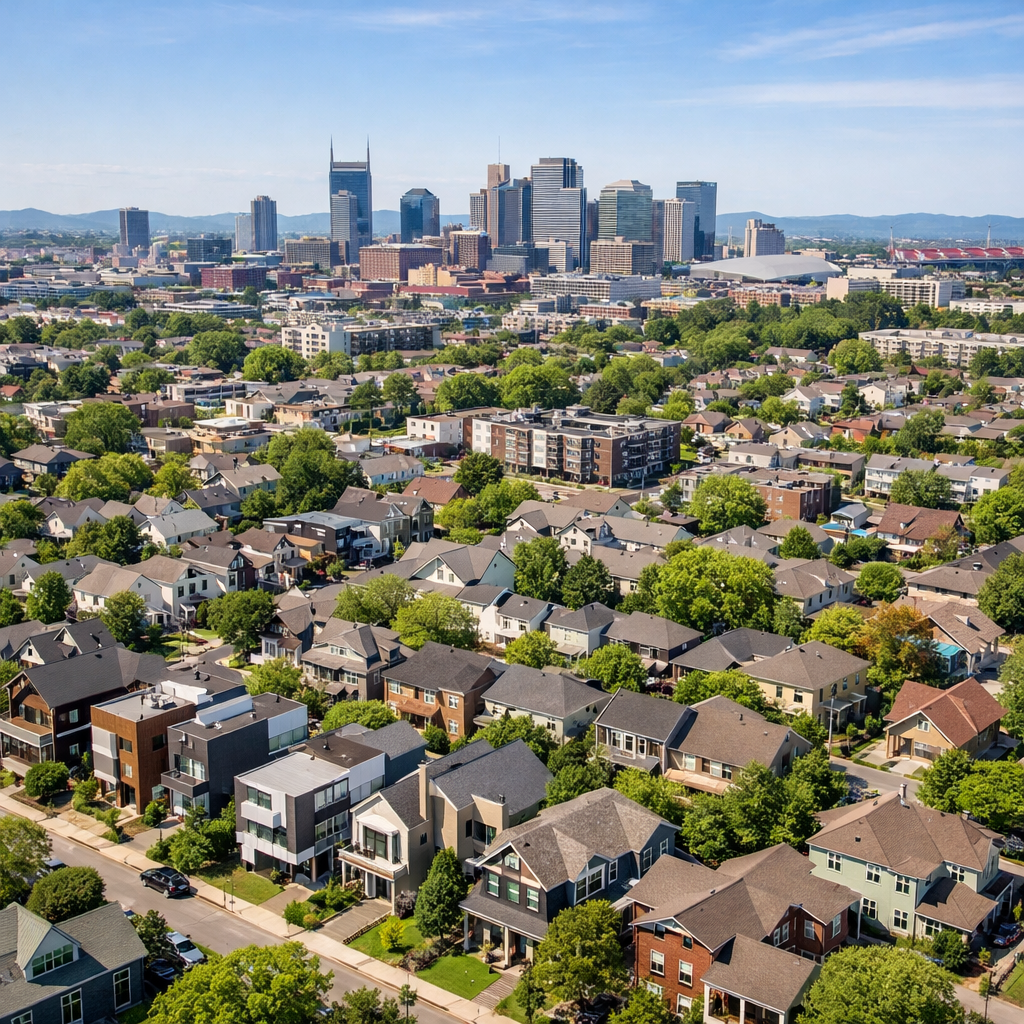
Nashville’s rapid growth has brought prosperity to many, but it has also intensified the city’s affordable housing crisis. Recent studies and community reports highlight the challenges residents face in securing affordable homes.
Rising Housing Costs and Limited Availability
A Vanderbilt University poll revealed that 82% of Nashville residents feel they cannot afford to buy a home in Davidson County, underscoring the severity of the housing affordability issue. Despite initiatives like the Unified Housing Strategy, which supported the construction and preservation of nearly 1,800 affordable housing units in fiscal year 2025, the demand continues to outpace supply.
Disproportionate Impact on Minority Communities
The crisis disproportionately affects minority communities. A housing and infrastructure study found that Black and Hispanic families can afford median-valued homes in less than 1% of Nashville’s 481 neighborhoods—specifically, just 0.8% for Black families and 0.6% for Hispanic families. This stark disparity highlights the ongoing challenges these communities face in achieving homeownership and economic stability.
Community Initiatives and Policy Responses
In response to these challenges, Metro Social Services released an annual report and introduced interactive maps to spotlight gentrification, wages, and poverty in Nashville. These tools aim to provide a clearer understanding of socio-economic patterns and inform policy decisions. Additionally, the city’s updated “Plan to Play” document outlines tiered funding options to invest in Nashville’s parks system, recognizing the role of public spaces in community well-being.
Looking Ahead
Addressing Nashville’s affordable housing crisis requires a multifaceted approach, including policy reforms, community engagement, and sustained investment in housing infrastructure. As the city continues to grow, ensuring that all residents have access to affordable and stable housing remains a critical priority.