

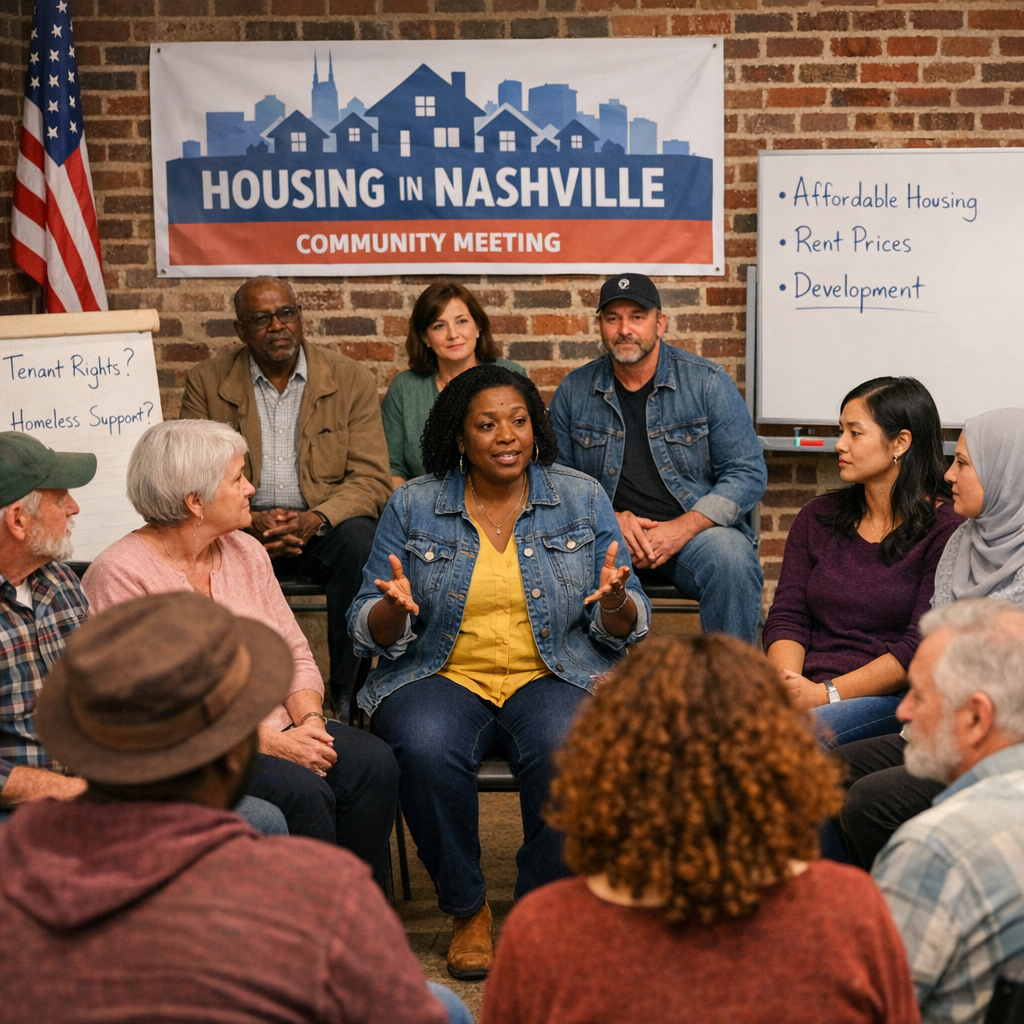
Nashville’s rapid growth has brought prosperity to many, but it has also intensified housing affordability challenges for a significant portion of its residents. Recent studies and reports highlight the depth of this crisis and the disparities it perpetuates.
Widespread Affordability Concerns
A Vanderbilt University poll reveals that 82% of Nashville residents feel they cannot afford to purchase a home in Davidson County. This sentiment underscores the city’s escalating housing costs and the financial strain on its inhabitants.
Disproportionate Impact on Black and Hispanic Families
The housing crisis disproportionately affects Black and Hispanic families. A comprehensive study found that these families can afford median-valued homes in less than 1% of Nashville’s 481 neighborhoods—specifically, just 0.8% for Black families and 0.6% for Hispanic families. This stark disparity highlights the enduring effects of historical discriminatory practices and the ongoing challenges in achieving equitable housing opportunities.
Community and Policy Responses
In response to these challenges, local leaders have initiated efforts to address housing affordability. Mayor Freddie O’Connell’s administration has emphasized the need for strategic investments in affordable housing and infrastructure to support the city’s growing population. Additionally, community organizations are advocating for policies that promote equitable development and prevent displacement of long-standing residents.
As Nashville continues to evolve, addressing the housing affordability crisis remains a critical priority to ensure that all residents have access to safe and affordable housing options.