

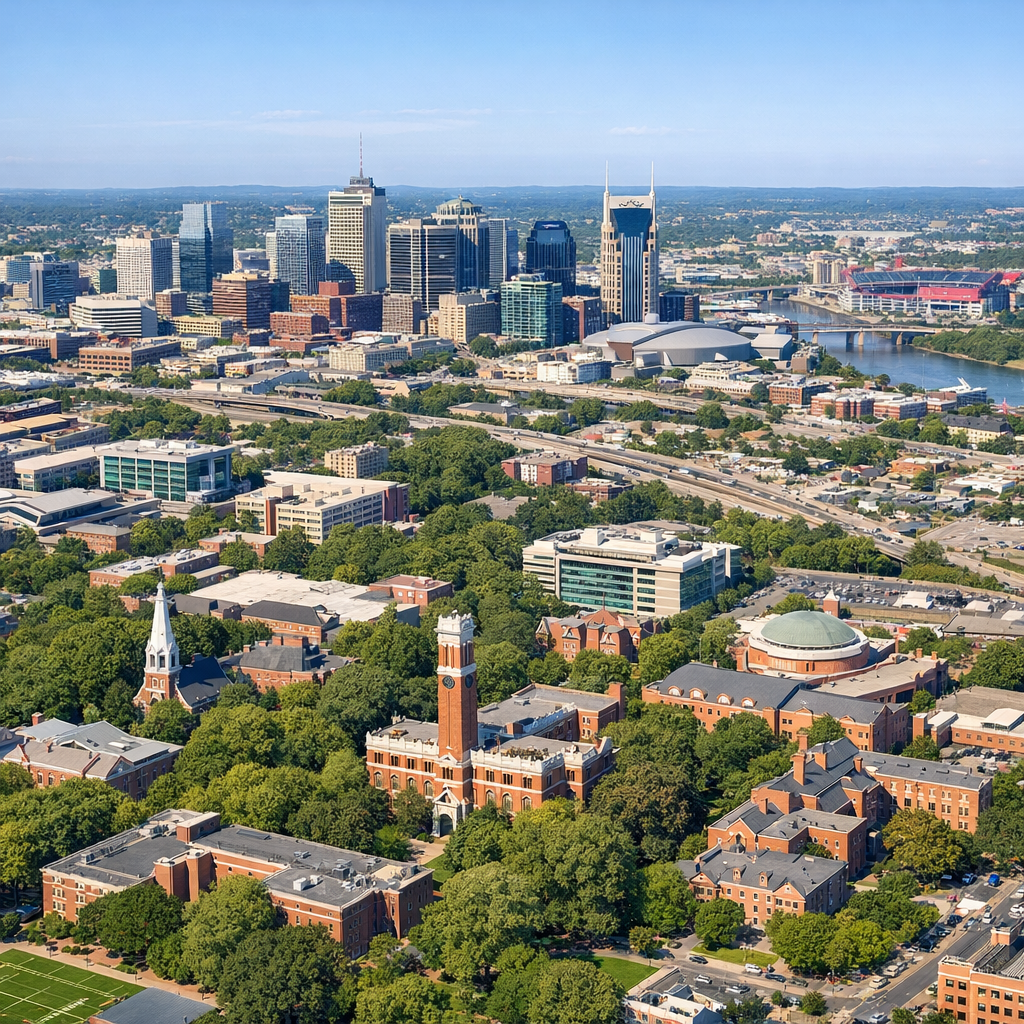
Nashville’s economy has demonstrated remarkable resilience and growth, even as the nation faces various challenges. This strength is largely attributed to the city’s strategic investments in education, healthcare, and infrastructure.
Education and Workforce Development
Education plays a pivotal role in Nashville’s economic landscape. Data from 2024 indicates that adults aged 25 or older without a college education earned a median income of $41,393, highlighting the significant impact of higher education on earnings. To address barriers to education, Tennessee introduced initiatives like Tennessee Reconnect, offering tuition-free community or technical college education to residents aged 25 and older. Approximately 11,000 individuals have participated in the program’s coaching services, assisting students in overcoming financial and personal challenges to complete their degrees.
Healthcare Sector’s Contribution
The healthcare sector is a cornerstone of Nashville’s economy. Vanderbilt University and Vanderbilt University Medical Center collectively contributed $22.13 billion to Tennessee’s economy between 2019 and 2024. As the largest private employer in the Nashville area and the second-largest in Tennessee, Vanderbilt’s influence extends beyond its campus, shaping the region’s economic health and future growth.
Infrastructure and Transportation
Investments in infrastructure have also bolstered Nashville’s economic resilience. The ‘Choose How You Move’ program, initiated in 2025, allocated $104 million for transit projects, including sidewalk improvements, smart traffic signals, and enhancements to public transportation. By January 2026, WeGo Public Transit added 12 new buses to their fleet, resulting in a 7.3% increase in ridership compared to the previous year.
Population Growth and Housing Market
Nashville’s population growth continues to outpace national averages, with the metro area adding over 136,000 residents from 2020 to 2024. This surge has impacted the housing market, leading to increased home prices and prompting many to seek affordable housing in suburban and exurban areas. The city is addressing these challenges through strategic planning and development initiatives.
Conclusion
Despite national economic challenges, Nashville’s proactive investments in education, healthcare, and infrastructure have fostered a robust and resilient economy. These efforts not only enhance the quality of life for residents but also position the city as a model for sustainable growth and development.