

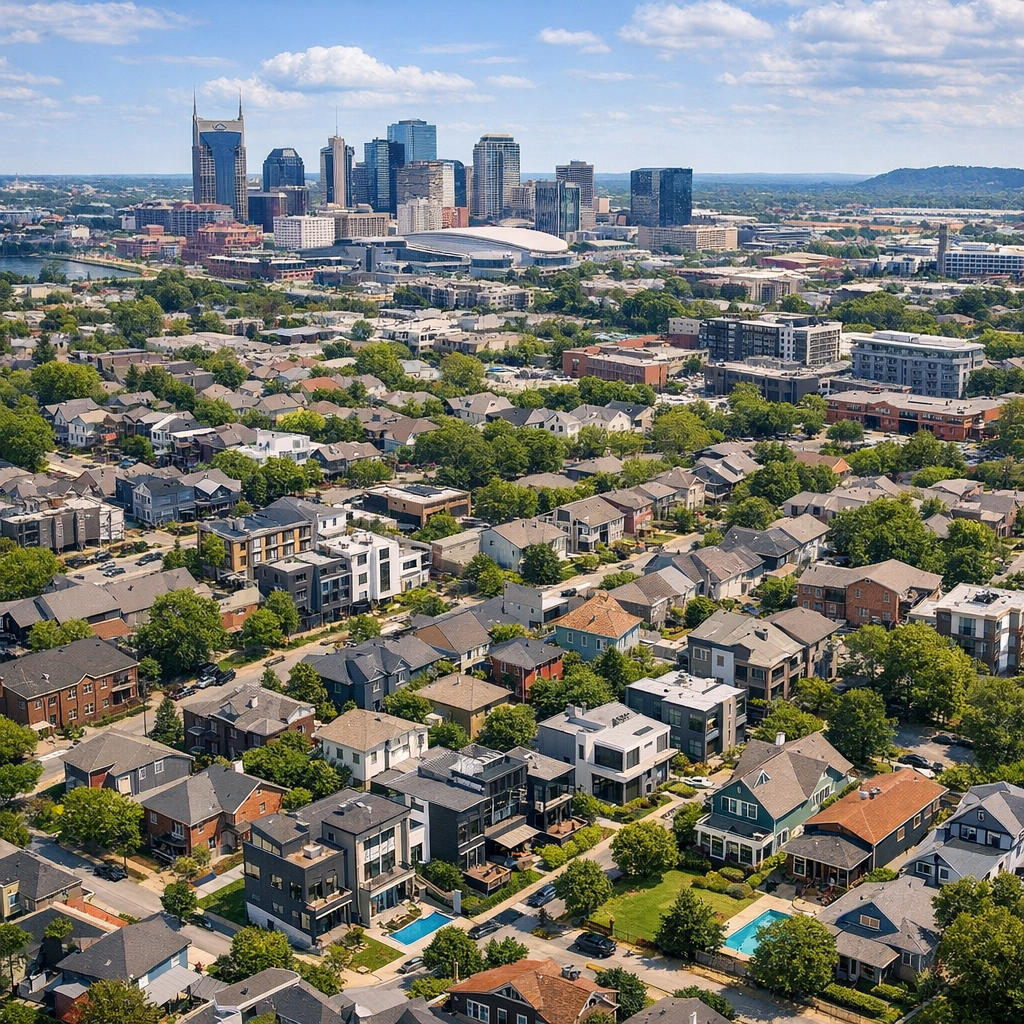
Nashville’s rapid growth has brought prosperity to many, but it has also intensified housing affordability challenges for a significant portion of the community. Recent data underscores the severity of this issue, revealing that 82% of residents feel they cannot afford to purchase a home in Davidson County. This statistic highlights the widening gap between income levels and housing costs, raising concerns about the city’s economic inclusivity.
The affordability crisis disproportionately affects Black and Hispanic families. A comprehensive housing and infrastructure study found that these families can afford median-valued homes in less than 1% of Nashville’s 481 neighborhoods—specifically, just 0.8% for Black families and 0.6% for Hispanic families. This stark disparity points to systemic issues rooted in historical discriminatory practices, such as redlining and exclusionary zoning laws, which have long hindered wealth accumulation and homeownership opportunities for minority communities.
In response to these challenges, local leaders have initiated several measures aimed at increasing the supply of affordable housing. Mayor Freddie O’Connell’s administration has prioritized the development and preservation of affordable units, with city funding supporting nearly 1,800 such units in the fiscal year 2025. Additionally, the city’s Unified Housing Strategy seeks to streamline efforts across various departments to address housing needs more effectively.
Despite these initiatives, public sentiment reflects growing unease. A Vanderbilt University poll indicates that only 8% of residents rate the condition of Nashville’s economy as “very good,” down from 12% in the previous year. Moreover, 79% of residents believe the city’s population is growing too quickly, exacerbating concerns about housing availability and affordability.
Community organizations are also stepping up to address related issues. For instance, the Nashville Food Project has launched “FeedBack Nashville,” an initiative aimed at combating food insecurity, which affects over 80,000 residents. This effort underscores the interconnectedness of housing affordability and other social determinants of health and well-being.
As Nashville continues to evolve, it is imperative for policymakers, community leaders, and residents to collaborate on sustainable solutions that ensure all Nashvillians have access to affordable housing. Addressing this crisis requires a multifaceted approach that includes policy reforms, community engagement, and targeted investments to create a more equitable and inclusive city for everyone.