

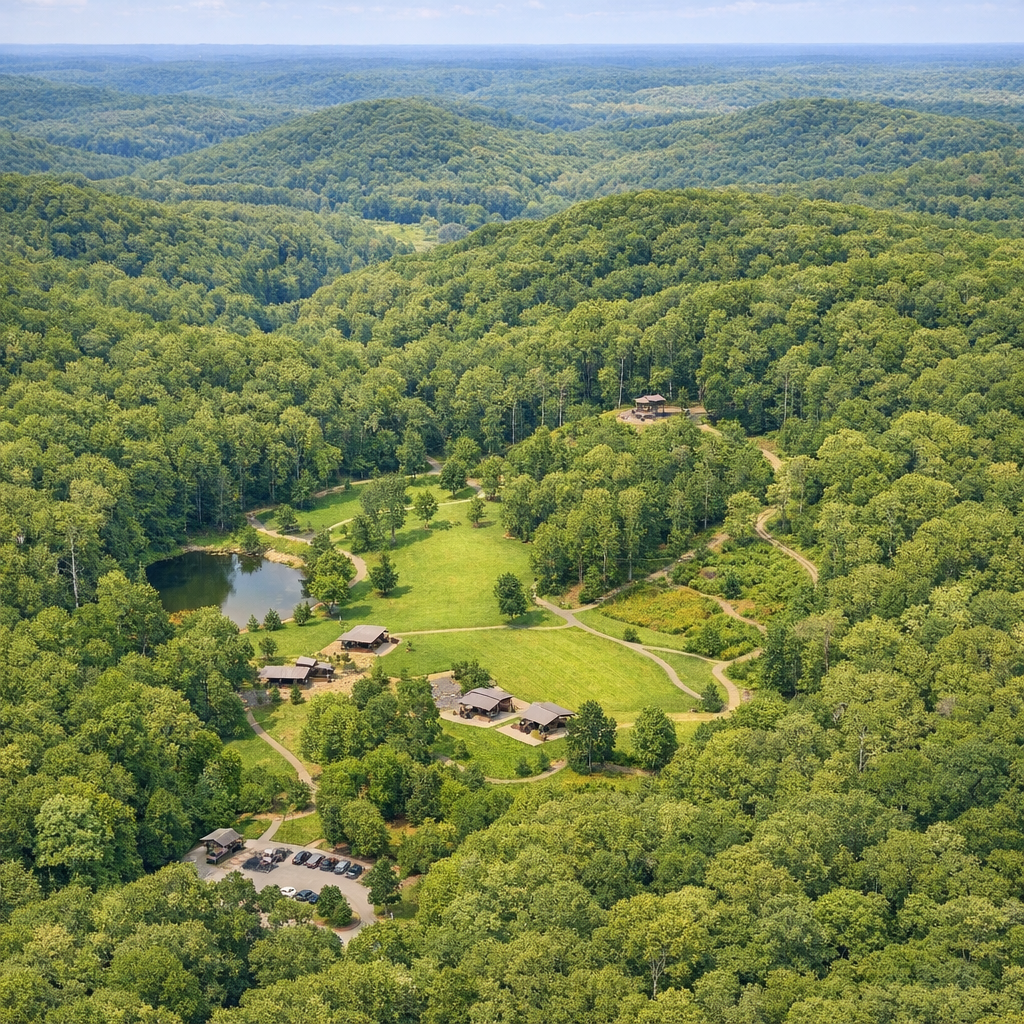
Nashville’s dedication to environmental stewardship is evident through a series of initiatives aimed at preserving natural resources and promoting sustainability. These efforts encompass park expansions, sustainability programs, and active community engagement.
Expanding Green Spaces
In a significant move to enhance urban green spaces, Metro Nashville recently acquired 300 acres of forest to expand Beaman Park. This acquisition, finalized on July 10 for $3.2 million, marks one of the largest land preservation deals in the city’s history. Mayor Freddie O’Connell emphasized the ecological value of the forest, highlighting its role in climate resilience, water purification, and air quality. Beaman Park, known for its untouched wilderness and proximity to downtown Nashville, was originally established in 1996 with support from donor Sally Beaman. The recent expansion is seen as a major conservation success, particularly for the Highland Rim Forest, a critical ecosystem in the Southeast.
Investing in Parks and Greenways
Metro Parks has updated its “Plan to Play” document, serving as a framework for evaluating Nashville’s investment in its parks system. Initially launched in 2017, the plan has been revised to reflect current conditions, including a significant deferred maintenance backlog of $127.6 million as of 2025. It offers three tiered funding options:
- Tier 1 focuses on flat funding to stabilize maintenance and deliver on previously promised projects.
- Tier 2 includes new investments to keep pace with population growth while addressing maintenance.
- Tier 3 aims to realize the broader, more aspirational goals set out in the original 2017 plan.
Mayor O’Connell highlights the plan as a strategic tool to guide community discussions and track progress versus peer cities. Since taking office, he has reduced maintenance debt and opened new parks in underserved neighborhoods like Mariposa Park. The Plan to Play update is positioned to engage the public and local leaders in decision-making around sustainable investment in Nashville’s beloved parks.
Community-Led Sustainability Initiatives
Local organizations are playing a pivotal role in promoting sustainability. Urban Green Lab, a nonprofit based in Nashville, is dedicated to teaching communities how to live sustainably. Their programs have reached nearly half of Davidson County’s zip codes, training educators and serving numerous organizations.
Additionally, the Nashville Earth Day festival, managed by the Centennial Park Conservancy since 2020, has donated a total of $208,000 to support environmental initiatives across the city. These funds have been used to plant over 380 trees in various parks and schools, care for 1.8 million bees in Centennial Park, and introduce 9,000 bees to Shelby and Mill Ridge Parks.
Addressing Climate Change
Climate change poses significant challenges to Nashville, including more frequent and intense heat waves, increased mosquito days, and changes in severe storm patterns. The city’s Climate Action Plan focuses on decarbonizing the electrical grid, enhancing energy efficiency, and promoting sustainable transportation to mitigate these impacts.
Furthermore, Metro Nashville has launched the Ecological Conservation Strategy to assess the health of natural resources and develop an action plan that includes conservation priorities, pilot projects, and policy recommendations.
Through these concerted efforts, Nashville continues to demonstrate a strong commitment to environmental stewardship, ensuring a sustainable and resilient future for its residents.