

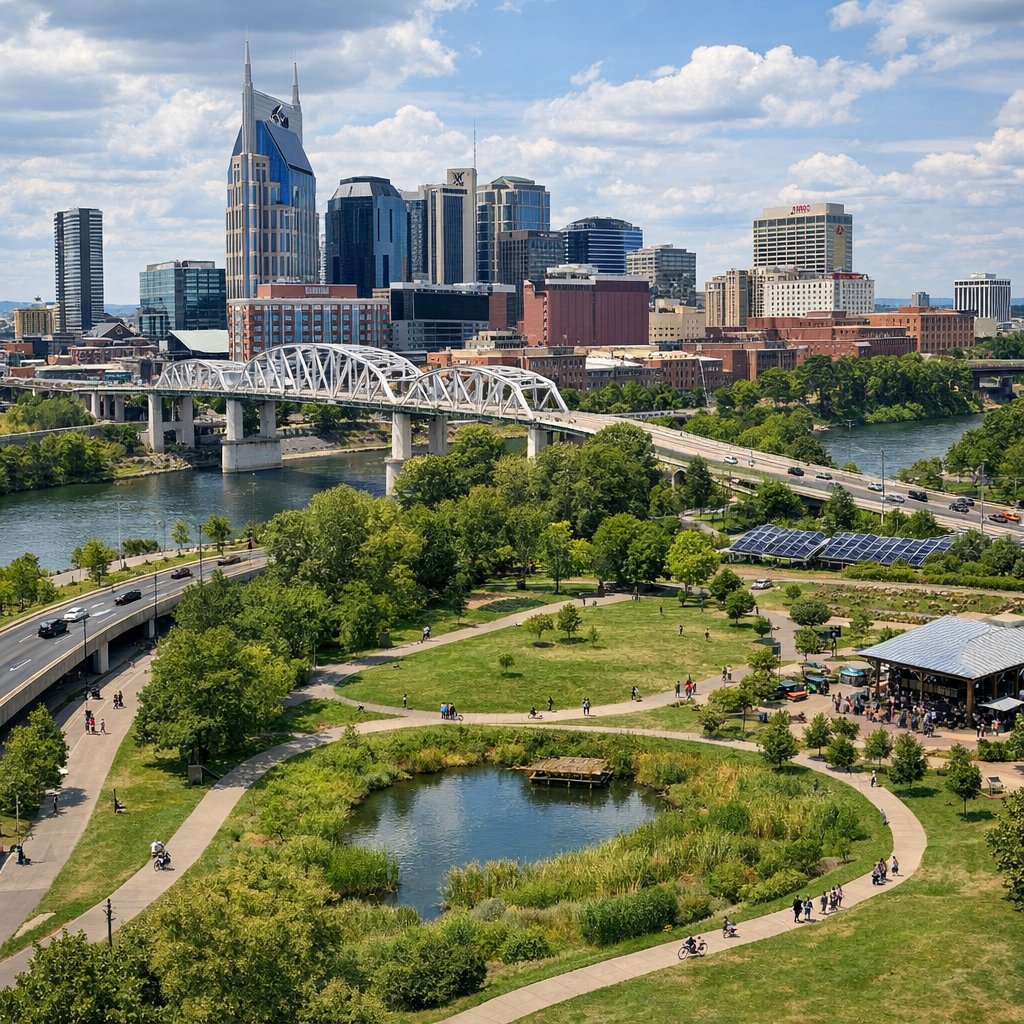
Nashville, Tennessee, experiences a humid subtropical climate characterized by hot, humid summers and mild to cool winters. Understanding these patterns is essential for residents and visitors alike.
Seasonal Weather Patterns
Summer
Summers in Nashville are notably hot and humid, with average high temperatures reaching around 89°F (31.3°C) in July. The season spans from late May to mid-September, often bringing muggy conditions that can make outdoor activities challenging.
Winter
Winters are generally mild, with average low temperatures in January around 30.6°F (-0.8°C). While snowfall is infrequent, the city does experience occasional cold snaps and light snow, primarily between December and February.
Spring and Fall
Spring and fall offer the most pleasant weather conditions. Spring temperatures in May average a high of 78.1°F (25.6°C), while October sees average highs around 69.8°F (21°C). These seasons are ideal for outdoor activities and enjoying the city’s natural beauty.
Environmental Challenges
Urban Heat Islands
A significant portion of Nashville’s population resides in urban heat islands—areas where infrastructure like buildings and roads absorb and retain heat, leading to higher temperatures compared to surrounding rural areas. This effect is intensified by the city’s development patterns and can disproportionately affect low-income communities lacking access to cooling resources.
Increased Precipitation and Flooding
Climate change has led to more intense rainfall events in Nashville. Between 1970 and 2024, the intensity of hourly rainfall increased by 12%, raising the risk of flash floods and associated hazards. The city’s topography and development have further exacerbated flooding risks, necessitating proactive measures to enhance resilience.
Extreme Heat Events
The frequency and severity of heat waves in Nashville are on the rise. In recent years, the city has experienced multiple days of triple-digit temperatures, posing health risks, especially to vulnerable populations such as the elderly and those without access to air conditioning.
Community Initiatives
In response to these challenges, Nashville has developed the Climate Adaptation and Resilience Plan (CARP), focusing on preparing the city for climate-driven disruptions. The plan addresses key hazards like flooding, extreme heat, and severe storms, aiming to build adaptive capacity across the city’s infrastructure and communities.
Additionally, efforts are underway to mitigate the urban heat island effect through increased green spaces and reflective pavement coatings. These initiatives aim to reduce heat absorption and provide cooler environments for residents.
Understanding Nashville’s climate and the environmental challenges it faces is crucial for fostering a resilient and sustainable community. By staying informed and supporting local initiatives, residents can contribute to a healthier and more adaptable city.