

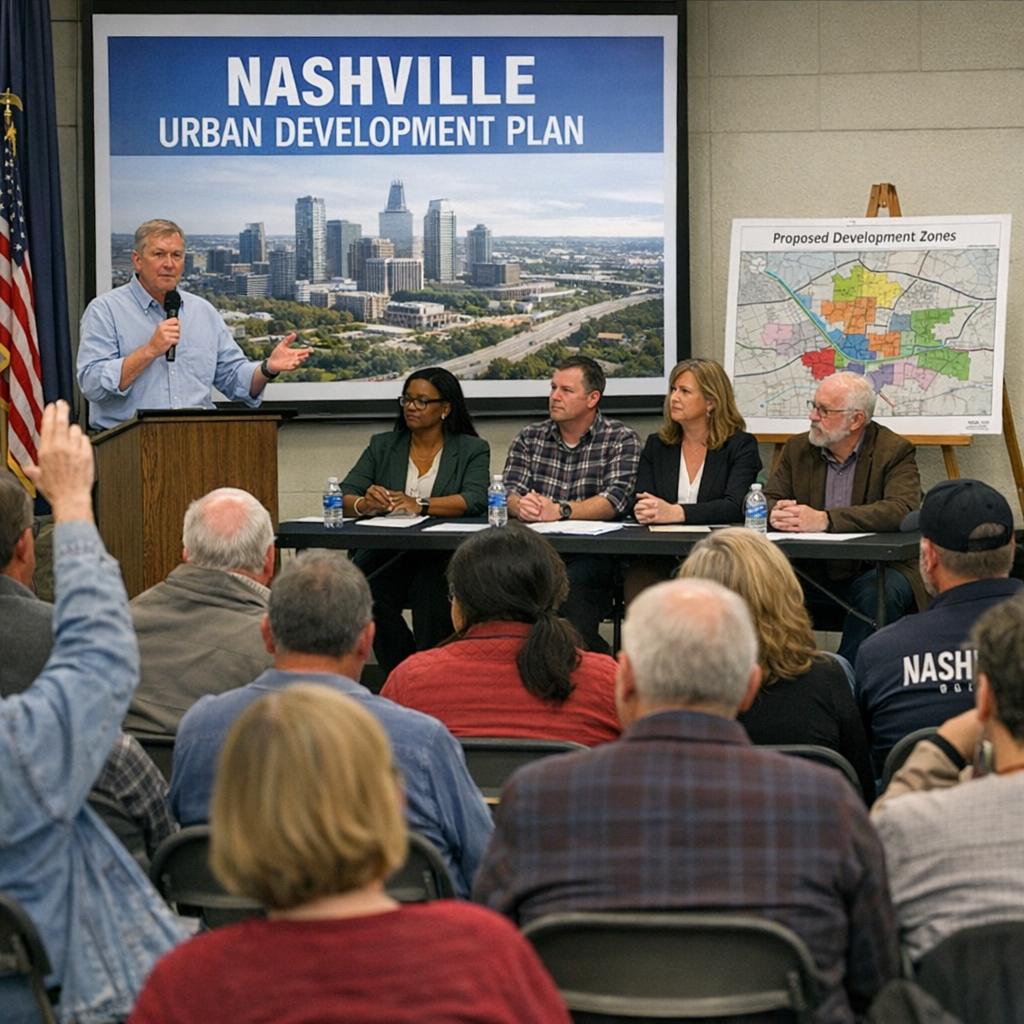
Nashville is experiencing significant developments across various sectors, reflecting the city’s dynamic growth and the challenges that accompany it.
Metro Parks’ ‘Plan to Play’ Update
The Metro Parks Department has updated its ‘Plan to Play’ framework, originally launched in 2017, to address the current state of Nashville’s parks system. The revised plan presents three funding tiers:
- Tier 1: Maintains existing funding levels to stabilize maintenance and fulfill previously promised projects.
- Tier 2: Introduces new investments to keep pace with population growth while addressing maintenance needs.
- Tier 3: Aims to achieve the broader, aspirational goals set out in the original plan.
As of 2025, the deferred maintenance backlog reached $127.6 million. Mayor Freddie O’Connell emphasizes the plan as a strategic tool to guide community discussions and track progress compared to peer cities. Since taking office, he has reduced maintenance debt and opened new parks in underserved neighborhoods like Mariposa Park.
Data Center Developments and Community Response
The proposed construction of a data center by DC BLOX, located just 50 yards from the Nashville Zoo, has sparked significant controversy. Zoo officials and animal rights advocates express concerns about potential noise and light pollution affecting the zoo’s 3,000 animals, particularly the clouded leopards involved in vital conservation programs. A petition opposing the project has garnered over 500,000 signatures, highlighting widespread public concern. In response, Metro Councilmember Rollin Horton has proposed legislation to regulate data center developments, including application procedures, locational restrictions, and emission rules.
Community Needs Evaluation Report
Metro Social Services released its 17th annual Community Needs Evaluation report, focusing on affordability challenges faced by African American residents in Nashville. The report identifies historic and contemporary causes of the wealth gap, current trends, and potential future impacts. Executive Director Renée Pratt emphasizes the importance of these findings in creating precise programs to address the needs of the city’s most vulnerable populations. Mayor O’Connell acknowledges the urgency of these challenges and highlights ongoing efforts, such as new transit access in North Nashville and investments in affordable housing and minority-owned businesses.
Cheekwood Estate & Gardens Legal Dispute
Cheekwood Estate & Gardens faces a new lawsuit from residents aiming to halt the construction of a new parking structure. This legal action escalates a longstanding dispute over traffic and land use surrounding the historic botanical garden. Cheekwood initiated the construction project after receiving Metro approval, prompted by the upcoming expiration of an overflow parking arrangement on Metro Parks property. The lawsuit seeks to enforce zoning, noise, and traffic regulations. In response, Cheekwood has launched a ‘Save Cheekwood’ campaign, arguing that the legal actions threaten visitor access and could potentially shut down the institution.
New Nashville Tourism Board Appointments
Former Tennessee Governor Bill Haslam and hospitality executive Colin Reed have been appointed to a new Nashville tourism board tasked with overseeing the use of sales tax revenue generated in the downtown tourism development zone. This funding structure was initially established to help finance the $623 million Music City Center. The creation of the board comes as part of new state legislation that empowers top state officials with appointment authority. The board’s strategic decisions will significantly impact the direction of tourism-related projects in downtown Nashville.
These developments underscore the complexities of managing Nashville’s rapid growth while addressing community concerns and preserving the city’s unique character.