

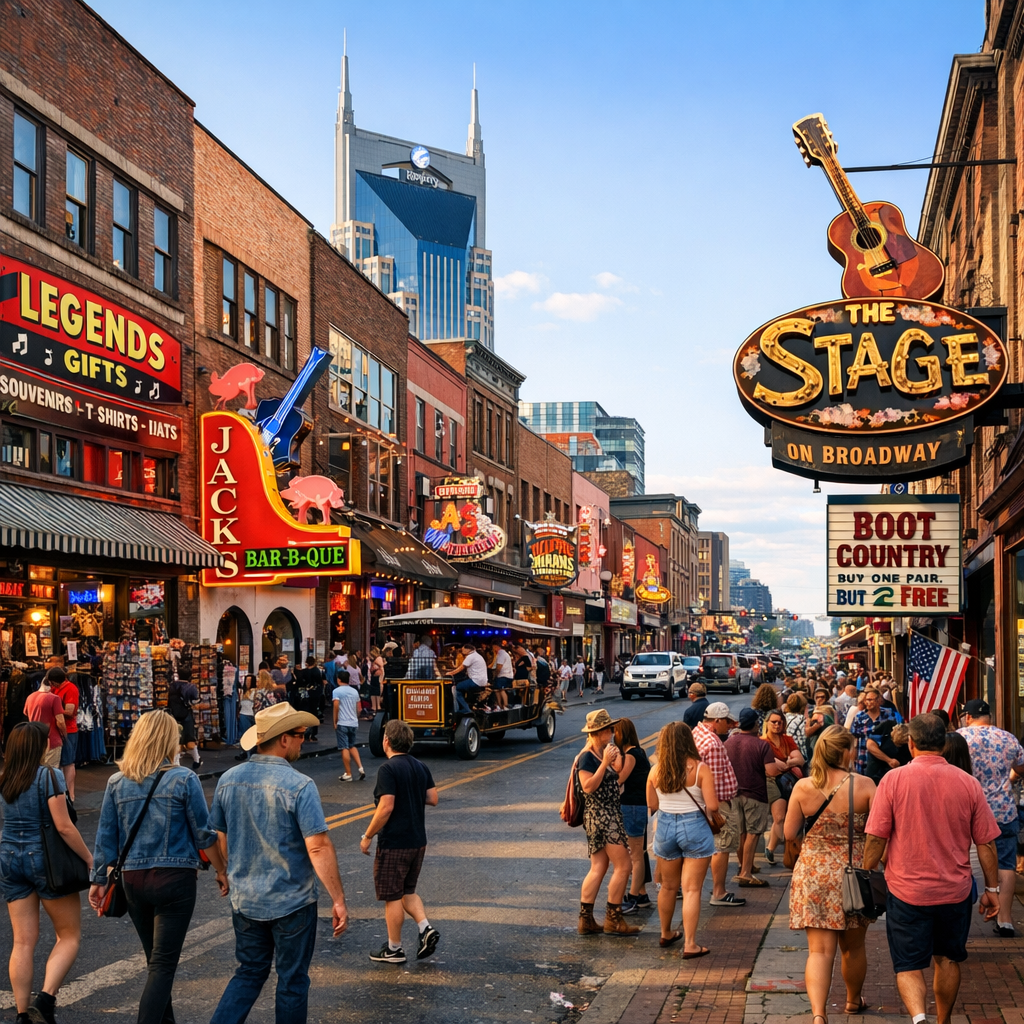
Nashville’s economic landscape has undergone significant transformation over the past two decades. Once primarily recognized for its vibrant music scene, the city has diversified into sectors such as healthcare, technology, and financial services. This diversification has contributed to a robust economy, attracting businesses and talent from across the nation.
Population Growth and Economic Implications
The Nashville metropolitan area has experienced substantial population growth, adding over 100 residents daily on average in recent years. This influx has propelled the region’s population beyond two million, positioning it among the top U.S. metros for net migration and economic output. Factors such as a relatively low cost of living, a business-friendly regulatory environment, and the absence of a state personal income tax have made Nashville an attractive destination for both individuals and businesses.
Support for Entrepreneurs
For those looking to start or grow a business in Nashville, a wealth of resources is available:
- Nashville Entrepreneur Center (NEC): A nonprofit organization offering programs like TakeOff, InFlight, and Project Healthcare. These accelerators provide mentorship, curriculum, and community support to founders at various stages of their business journey. Notably, NEC does not take equity in participating companies, emphasizing its commitment to fostering local entrepreneurship.
- The Wond’ry at Vanderbilt University: This innovation center offers resources for faculty, students, staff, and alumni interested in entrepreneurship. Programs like the Sullivan Family Ideator assist individuals in developing ideas into viable ventures.
- Nashville Public Library’s ‘NPL Means Business’: An initiative designed to assist entrepreneurs and small business owners by providing access to business tools, research materials, and resources. The library also hosts discussions led by the Small Business Administration on topics ranging from planning and financing to marketing strategies.
Challenges in the Retail Sector
Despite the city’s economic growth, the retail market faces challenges. As of late 2025, Nashville’s retail vacancy rate stood at a tight 3.7%, with limited new supply and an aging inventory—over half built before 1990. This scarcity has led to increased competition for quality retail spaces, with asking rents averaging $30 per square foot after a five-year rise of approximately 35%. Retailers are often compelled to lease older centers, which are rapidly occupied, sometimes within seven months.
Corporate Investments and Incentives
Major corporations are also recognizing Nashville’s potential. Starbucks, for instance, announced a $100 million investment to establish a corporate hub in downtown Nashville. This expansion is expected to create 2,000 jobs over the next five years. The move was facilitated by a $30 million state incentive, reflecting Tennessee’s commitment to attracting significant business investments.
Conclusion
Nashville’s evolving business environment presents both opportunities and challenges. Entrepreneurs and established businesses alike can benefit from the city’s supportive resources and dynamic economy. However, navigating the competitive landscape requires strategic planning and adaptability. By leveraging available support systems and staying informed about market trends, businesses can position themselves for success in Music City’s vibrant economy.