

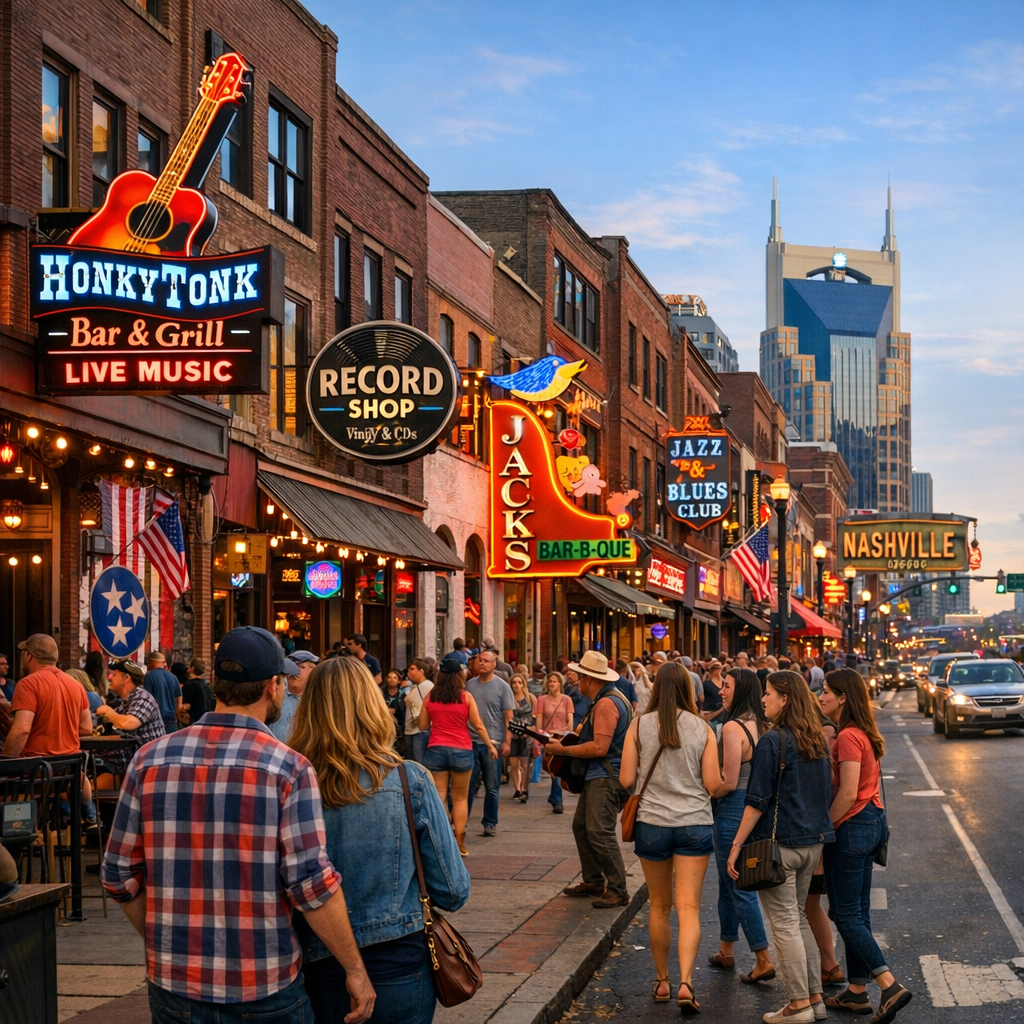
Nashville’s economic landscape has undergone significant transformation over the past two decades. Once primarily recognized for its vibrant music scene, the city has diversified into sectors such as healthcare, technology, and financial services. This diversification has contributed to a robust economy, attracting businesses and talent nationwide.
Population Growth and Economic Impact
The Nashville metropolitan area has experienced substantial population growth, adding over 100 residents daily on average in recent years. This influx has expanded the consumer base and workforce, presenting opportunities and challenges for local businesses. While a growing population fuels demand, it also intensifies competition and strains infrastructure.
Support for Entrepreneurs
Recognizing the importance of entrepreneurship, Nashville offers various resources to support business owners:
Nashville Entrepreneur Center (NEC)
The NEC provides programs like TakeOff, InFlight, and Project Healthcare, catering to businesses at different stages. These programs offer mentorship, curriculum, and community support, aiming to accelerate business growth without taking equity.
The Wond’ry at Vanderbilt University
Vanderbilt’s innovation center, The Wond’ry, offers resources for faculty, students, staff, and alumni interested in entrepreneurship. Programs like the Sullivan Family Ideator assist in developing ideas into viable ventures.
Financial Support
Organizations such as Fund Tennessee and Pathway Lending provide financial assistance to small businesses. Fund Tennessee offers federal funding through programs like InvestTN and LendTN, while Pathway Lending offers loans and advisory services.
Real Estate and Market Dynamics
Nashville’s real estate market has seen significant activity. In 2025, property values increased by a median of 45%, leading to a record number of appraisal appeals. This surge has particularly impacted downtown businesses, many of which operate under triple-net leases, making them responsible for rising property taxes.
Despite these challenges, the retail market remains tight, with a 3.7% vacancy rate in late 2025. Limited new supply and aging inventory have led to rapid lease-ups and strong pricing power for landlords.
Corporate Investments
Major corporations are also investing in Nashville. Starbucks announced a $100 million investment to establish a corporate hub in the city, expected to create 2,000 jobs over the next five years. This move underscores Nashville’s growing appeal as a corporate destination.
Conclusion
Nashville’s evolving business environment offers numerous opportunities for entrepreneurs and established businesses. By leveraging available resources and staying informed about market dynamics, business owners can navigate the challenges and capitalize on the city’s growth.